Professional Premium Aluminum Oxide Products Supplier


(Alumina Ceramic Electronic Substrates)
1 Why Alumina Ceramic Electronic Substrates Has Good Characteristics
1.1 High Electrical Insulation
Alumina ceramic, particularly in electronic substrates, exhibits exceptional electrical insulation properties. This is crucial for preventing short circuits and ensuring reliable performance of electronic components. The high resistivity of alumina minimizes current leakage, allowing for dense packaging of circuits without compromising functionality. Furthermore, its dielectric strength, which measures the ability to withstand high voltages without breaking down, is significantly higher than that of conventional substrate materials like FR-4. This makes alumina substrates ideal for high-voltage applications and devices requiring stable electrical characteristics under varying conditions. The consistent insulation provided by alumina is vital for signal integrity and overall system reliability.
1.2 Excellent Thermal Conductivity
The thermal conductivity of alumina ceramic is notably superior, enabling efficient heat dissipation from electronic components. This is critical as modern electronics generate substantial heat, which can lead to performance degradation or even failure if not properly managed. Alumina substrates act as a heat spreader, drawing heat away from sensitive components and distributing it evenly across the substrate. This prevents localized hot spots and maintains a more uniform temperature. The high thermal conductivity also allows for the use of smaller heat sinks or even eliminates the need for them altogether, reducing the overall size and weight of the electronic device. Better thermal management contributes to longer lifespan and enhanced reliability of electronic devices.
2 What Is Alumina Ceramic Electronic Substrates
2.1 Composition and Structure
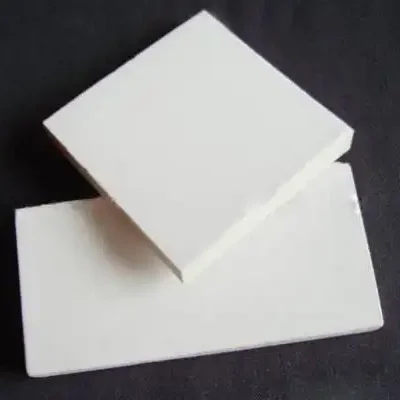
Alumina ceramic electronic substrates are primarily composed of aluminum oxide (Al2O3), offering a combination of desirable properties for electronic applications. These substrates are manufactured using high-purity alumina powder, which is then sintered at high temperatures to create a dense, homogeneous material. The resulting ceramic structure is characterized by its fine grain size and uniform microstructure, contributing to its excellent mechanical strength and electrical insulation. The precise control over the alumina composition and sintering process allows for tailored material properties, such as dielectric constant and thermal expansion coefficient, to meet specific application requirements. Additives may also be incorporated to further enhance certain characteristics, like machinability or thermal conductivity.
2.2 Key Properties and Benefits
Alumina ceramic electronic substrates offer a range of key properties that make them ideal for demanding electronic applications. These properties include high electrical insulation, excellent thermal conductivity, good mechanical strength, chemical resistance, and dimensional stability. The high electrical insulation ensures reliable circuit performance, while the thermal conductivity facilitates efficient heat dissipation. Its mechanical strength provides robustness and durability, protecting delicate electronic components from physical damage. The chemical resistance allows the substrate to withstand harsh environments without degradation, and the dimensional stability ensures consistent performance over a wide temperature range. These benefits contribute to improved reliability, performance, and lifespan of electronic devices.
3 How Alumina Ceramic Electronic Substrates Was Produced?
3.1 Powder Preparation and Mixing
The production of alumina ceramic electronic substrates begins with the preparation of high-purity alumina powder. This powder must have a controlled particle size distribution and morphology to ensure optimal sintering characteristics. The alumina powder is then mixed with various additives, such as binders, plasticizers, and sintering aids. Binders help to hold the powder particles together during the shaping process, while plasticizers improve the workability of the mixture. Sintering aids lower the sintering temperature and promote densification. The mixing process is carefully controlled to ensure a homogeneous distribution of the additives within the alumina powder matrix. This step is crucial for achieving uniform properties in the final sintered substrate.
3.2 Shaping and Sintering
After mixing, the alumina powder mixture is shaped into the desired substrate form using various techniques, such as tape casting, dry pressing, or injection molding. Tape casting is commonly used for producing thin, flat substrates, while dry pressing is suitable for more complex shapes. Injection molding allows for high-volume production of intricate designs. Once shaped, the green body (unfired substrate) undergoes a sintering process at high temperatures (typically between 1500°C and 1700°C). During sintering, the alumina particles fuse together, forming a dense, solid ceramic structure. The sintering temperature, time, and atmosphere are carefully controlled to optimize densification, grain growth, and microstructure, resulting in the desired mechanical and electrical properties of the alumina substrate.
4 What Are The Application Fields of Alumina Ceramic Electronic Substrates
4.1 Power Electronics
Alumina ceramic electronic substrates are widely used in power electronics applications due to their excellent thermal conductivity and electrical insulation. They serve as the foundation for power modules, which are essential components in various systems such as inverters, converters, and motor drives. The ability of alumina to efficiently dissipate heat generated by power semiconductors like MOSFETs and IGBTs is critical for ensuring their reliable operation and preventing thermal runaway. Additionally, the high dielectric strength of alumina allows for high-voltage isolation, protecting other circuit components from damage. Common applications include power supplies, electric vehicle inverters, and industrial motor controls.
4.2 High-Frequency Applications
In high-frequency applications, alumina ceramic substrates are favored for their low dielectric loss and stable dielectric constant over a wide frequency range. These characteristics are crucial for minimizing signal attenuation and distortion in high-speed circuits. Alumina substrates are used in RF and microwave components, such as amplifiers, filters, and antennas. Their ability to maintain signal integrity at high frequencies enables the development of high-performance communication systems, radar systems, and wireless devices. The controlled dielectric properties of alumina also facilitate impedance matching and minimize signal reflections, contributing to improved circuit performance. Examples include cellular base stations, satellite communication systems, and radar modules.
5 How To Choose A Good Alumina Ceramic Electronic Substrates
5.1 Material Purity and Composition
When selecting alumina ceramic electronic substrates, material purity and composition are paramount. High-purity alumina (typically 96% or higher Al2O3 content) is preferred to minimize impurities that can negatively impact electrical and thermal properties. The composition should be carefully controlled to ensure consistent performance and reliability. Look for substrates from reputable manufacturers who provide detailed material specifications and certificates of analysis. The presence of unwanted elements can increase dielectric loss, reduce thermal conductivity, and compromise mechanical strength. A thorough understanding of the alumina substrate’s composition is essential for ensuring it meets the specific requirements of the intended application.
5.2 Surface Finish and Dimensional Accuracy
The surface finish and dimensional accuracy of alumina ceramic substrates play a critical role in their performance and manufacturability. A smooth surface finish is essential for achieving good adhesion of metallization layers and minimizing signal losses in high-frequency applications. Dimensional accuracy ensures that the substrate fits precisely within the device assembly and allows for reliable component placement. Look for substrates with tightly controlled tolerances and minimal surface defects, such as scratches or voids. Surface roughness can be measured using profilometry, and dimensional accuracy can be verified using coordinate measuring machines (CMM). These parameters directly impact the overall performance and reliability of the electronic device.
6 What Does People Also Ask About Alumina Ceramic Electronic Substrates
6.1 What are the limitations of alumina ceramic substrates?
While alumina ceramic substrates offer many advantages, they also have some limitations. One limitation is their relatively high cost compared to other substrate materials like FR-4. Alumina is also more brittle than some alternatives, making it susceptible to cracking or chipping under stress. Additionally, machining alumina can be challenging and costly due to its hardness. Although alumina has good thermal conductivity, it is lower than that of materials like aluminum nitride or silicon carbide. The CTE(Coefficient of Thermal Expansion) mismatch between alumina and some semiconductor materials can also cause reliability issues in certain applications. Despite these limitations, alumina remains a popular choice due to its excellent balance of properties.
6.2 How does alumina compare to other substrate materials?
Alumina ceramic substrates are often compared to other materials like FR-4, aluminum nitride (AlN), and silicon carbide (SiC). FR-4 is a low-cost option but has poor thermal conductivity and high dielectric loss, making it unsuitable for high-power and high-frequency applications. Aluminum nitride offers superior thermal conductivity compared to alumina but is more expensive. Silicon carbide has even higher thermal conductivity and is used in very high-power applications, but it is also the most expensive. Alumina provides a good balance of cost, performance, and manufacturability, making it a versatile choice for a wide range of electronic applications. The best choice depends on the specific requirements of the application, including thermal management, electrical performance, and cost considerations.
Tags: Alumina Ceramic, Electronic Substrates, Ceramic Substrates, Alumina, Substrates, Electronics

(Alumina Ceramic Electronic Substrates)
Supplier
Alumina Technology Co., Ltd focus on the research and development, production and sales of aluminum oxide powder, aluminum oxide products, aluminum oxide crucible, etc., serving the electronics, ceramics, chemical and other industries. Since its establishment in 2005, the company has been committed to providing customers with the best products and services. If you are looking for high quality Alumina Ceramic Products , please feel free to contact us. ([email protected])
RELATED POSTS
How to Safely Use and Maintain Your Alumina Ceramic Baking Dish: A Step-by-Step Guide

5 Common Problems and Practical Fixes for Your Alumina Ceramic Baking Dish
Why Are Alumina Ceramic Baking Dishes Suddenly in High-Tech Labs?
Stop Guessing: The Precision Ground Alumina Ceramic Sleeve for Bearing Is Your Only Option for Extreme Durability
How to Safely Use and Maintain Your Alumina Ceramic Baking Dish: A Practical Guide