Professional Premium Aluminum Oxide Products Supplier

1. Introduction
Let’s be honest: your kitchen probably has a rogue baking dish that’s seen better days—maybe it’s chipped, stained, or just refuses to heat evenly. Enter the unsung hero of culinary ceramics: the alumina ceramic baking dish. Forget flimsy glass or reactive metals—alumina (aluminum oxide, Al₂O₃) is the heavyweight champion of engineered ceramics, and when it’s shaped into a baking dish, casserole, or even a butter dish with lid, it brings serious performance to the table. Whether you’re roasting veggies, serving a holiday feast on alumina Christmas ceramic platter, or melting butter in an alumina ceramic butter dish, this material doesn’t just endure—it excels.
2. What Makes Alumina Ceramic So Special?
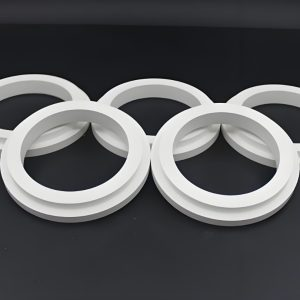
Alumina ceramic isn’t your grandma’s earthenware. It’s a high-purity, high-density technical ceramic known for its exceptional hardness, thermal stability, and chemical inertness. Unlike traditional stoneware or porcelain, which may contain clays and fluxes that limit heat resistance, alumina ceramic dishes are fired at temperatures exceeding 1,600°C, resulting in a nonporous, vitrified structure that laughs in the face of thermal shock. That means your alumina oven ceramic dish can go straight from freezer to broiler without cracking—a feat most bakeware can’t claim.
3. Alumina Baking Dishes vs. Other Ceramic Types
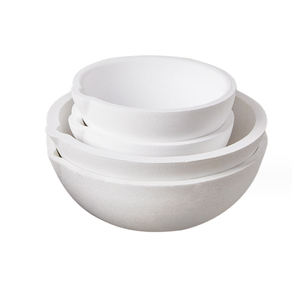
Not all ceramic bakeware is created equal. Standard ceramic dishes often use lower-grade clays and glazes that degrade over time or leach under acidic conditions. In contrast, an alumina baking ceramic dish maintains its integrity even when exposed to tomato sauce, citrus, or vinegar. Compared to stoneware, alumina is denser and less prone to microfractures. And while porcelain looks elegant, it’s typically more fragile. Alumina strikes the perfect balance: it’s tough enough for daily oven use yet refined enough to double as an alumina ceramic serving platter at your dinner party.
- Alumina ceramic casserole with lid: retains moisture and heat far better than glass or metal equivalents.
- Alumina ceramic ramekins: ideal for crème brûlée or soufflés thanks to even heat distribution.
- Alumina salad ceramic bowl: won’t absorb odors or stains, even after repeated use with oily dressings.
4. Beyond Baking: The Full Alumina Ceramic Tableware Lineup
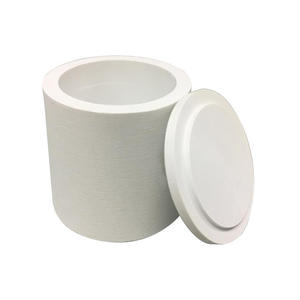
The versatility of alumina extends far beyond casseroles. Manufacturers now craft everything from alumina ceramic dinner plates to alumina ceramic childrens plates—all sharing the same durability and non-reactive surface. Fancy a monochrome aesthetic? Alumina black ceramic plates offer sleek, modern appeal without sacrificing function. Prefer classic elegance? Alumina blue white porcelain plates blend traditional patterns with advanced material science. Even niche items like alumina ceramic sugar dish or alumina ceramic plates for painting (yes, artists love their smooth, non-porous surface!) are gaining popularity.
And let’s not forget seasonal flair: alumina Christmas plates ceramic and alumina ceramic Christmas plates aren’t just decorative—they’re fully oven- and dishwasher-safe, making holiday cleanup a breeze. Meanwhile, the alumina ceramic butter dish with lid keeps your spread fresh while looking chic on the breakfast table.
5. The Staub Connection and Market Nuances
You might’ve heard of ‘alumina baking dish Staub’—but here’s the twist: Staub is famous for enameled cast iron, not alumina ceramics. However, the confusion highlights a growing trend: premium cookware brands are exploring advanced ceramics. While true alumina ceramic dishes aren’t typically branded like Staub, independent artisans and specialty manufacturers produce high-end alumina handcrafted ceramic plates and alumina ceramic serving bowls that rival luxury cookware in both form and function.
6. Practical Considerations: Care, Cost, and Compatibility
Alumina ceramic dishes for oven use are generally dishwasher-safe, microwave-safe, and broiler-safe—but always check manufacturer guidelines. Their main drawback? Weight. These dishes are denser than glass or standard ceramic, so an alumina casserole ceramic dish might feel heavier than expected. Price-wise, they sit in the mid-to-high range, reflecting their engineering-grade composition. But considering their decades-long lifespan, they’re a smart investment. Plus, unlike nonstick coatings that degrade, alumina’s surface stays pristine—no peeling, no off-gassing.
7. Debunking Myths: Alumina Isn’t Just for Industrial Use
Yes, alumina is used in alumina ceramic tubes for furnaces, alumina crucibles for melting gold, and even alumina ceramic ball bearings—but that doesn’t mean it’s overkill for your kitchen. The same properties that make it ideal for thermocouple protection tubes (high melting point, electrical insulation, corrosion resistance) translate beautifully to culinary applications. Your alumina oven dish ceramic isn’t just surviving your 450°F roast—it’s thriving.
8. Conclusion
From the humble alumina ceramic butter dish to the show-stopping alumina ceramic serving platter, alumina-based tableware merges industrial-grade resilience with everyday elegance. Whether you’re baking, serving, or simply storing, these dishes outperform conventional options in durability, safety, and style. So next time you’re eyeing a new casserole dish, skip the fragile porcelain and the reactive metal—go for the quiet confidence of an alumina ceramic baking dish. Your future self (and your lasagna) will thank you.
Our Website founded on October 17, 2012, is a high-tech enterprise committed to the research and development, production, processing, sales and technical services of ceramic relative materials such as Alumina. Our products includes but not limited to Boron Carbide Ceramic Products, Boron Nitride Ceramic Products, Silicon Carbide Ceramic Products, Silicon Nitride Ceramic Products, Zirconium Dioxide Ceramic Products, etc. If you are interested, please feel free to contact us.
RELATED POSTS
Alumina Ceramic Baking Dishes: The Ultimate Guide to Performance, Safety, and Versatility in the Kitchen
Alumina Ceramic Baking Dishes: A Deep Dive into Performance, Varieties, and Kitchen Applications
What Is an Alumina Ceramic Baking Dish and Why Should You Use One?
5 Common Problems and Practical Fixes for Your Alumina Ceramic Baking Dish

5 Niche Applications of Alumina Ceramic Baking Dishes Beyond the Kitchen