Professional Premium Aluminum Oxide Products Supplier

1. Introduction
In the past 48 hours, a viral TikTok video showcasing a stunning roasted vegetable medley baked in an alumina ceramic casserole dish has reignited interest in high-performance ceramic cookware. Viewers were captivated not just by the food but by the dish’s glossy finish and even browning—proof that material matters in the kitchen. If you’ve recently invested in an alumina ceramic baking dish—or are considering one—you’re in the right place.
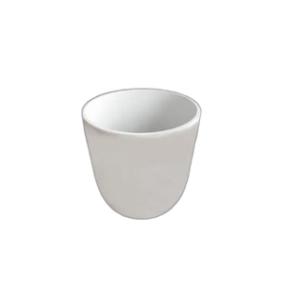
Alumina ceramic bakeware is prized for its exceptional heat retention, non-reactive surface, and elegant appearance. But to get the most out of it, you need to handle it correctly. This guide gives you clear, step-by-step instructions on how to use, clean, and maintain your alumina ceramic baking dish—and how it fits into a broader collection of matching pieces like alumina ceramic butter dishes, dinner plates, and serving platters.
2. Understanding Your Alumina Ceramic Baking Dish
An alumina ceramic baking dish (also called an alumina baking ceramic dish) is made from high-purity aluminum oxide (Al₂O₃), fired at extreme temperatures to create a dense, non-porous, and highly durable surface. Unlike standard stoneware, it resists staining, doesn’t absorb odors, and can withstand oven temperatures up to 2,000°F—though typical home ovens max out around 500°F, well within its safe range.
These dishes are ideal for casseroles, roasts, gratins, and even bread baking. You’ll also find related items like the alumina ceramic casserole with lid, alumina ceramic ramekins, and alumina oven ceramic dish—all designed for consistent performance and aesthetic harmony on your table.
3. Step-by-Step: How to Use Your Alumina Ceramic Baking Dish
3.1. Preheat Gradually
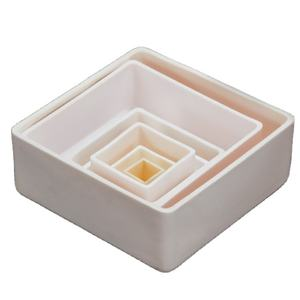
Never place a cold alumina ceramic dish directly into a hot oven. Sudden temperature changes can cause thermal shock—even in high-grade ceramics. Always place the dish in a cold oven and let it heat up gradually with the food inside, or preheat the oven first and let the dish sit at room temperature for 10–15 minutes before placing it inside.
3.2. Avoid Direct Flame or Broiler Overuse
While your alumina ceramic oven dish is oven-safe, it’s not meant for direct stovetop use unless explicitly labeled as such. Also, limit broiler exposure to under 5 minutes to prevent overheating the glaze.
3.3. Use Non-Metal Utensils
To preserve the smooth glaze, use wooden, silicone, or plastic utensils. Metal can scratch the surface over time, especially on delicate finishes like those found on alumina white ceramic plates or alumina black ceramic plates.
3.4. Pair with Matching Tableware
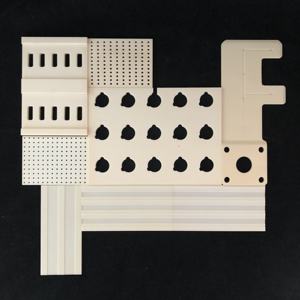
For a cohesive tablescape, consider serving your baked dish alongside complementary pieces like alumina ceramic dinner plates, alumina ceramic serving bowls, or an alumina ceramic serving platter. Holiday meals? Try alumina christmas ceramic platter or alumina ceramic christmas plates for festive flair.
4. Cleaning and Maintenance Tips
4.1. Let It Cool Completely
Always allow your alumina ceramic casserole dish to cool to room temperature before washing. Plunging a hot dish into cold water is the fastest way to crack it.
4.2. Hand Wash Preferred
Although many alumina ceramic dishes are dishwasher-safe, hand washing with mild soap and a soft sponge preserves the finish longer—especially important for handcrafted pieces like alumina handcrafted ceramic plates or painted designs on alumina ceramic plates for painting.
4.3. Remove Stubborn Residue Gently
For baked-on food, soak the dish in warm, soapy water for 15–30 minutes. Avoid abrasive scrubbers or steel wool, which can dull the surface of your alumina ceramic bowl plates or alumina salad ceramic bowl.
5. Common Mistakes to Avoid
- Never transfer your alumina oven dish ceramic directly from freezer to oven.
- Don’t use aerosol cooking sprays—they can leave a sticky residue that’s hard to remove from non-porous surfaces like those on an alumina ceramic butter dish with lid.
- Avoid stacking heavy items on top of delicate pieces like alumina ceramic childrens plates or alumina ceramic sugar dish without protective padding.
6. Building a Complete Alumina Ceramic Collection
Once you love your alumina ceramic baking dish, you might want to expand. Consider these versatile additions:
- Alumina ceramic plates and bowls for everyday dining
- Alumina blue white porcelain plates for classic elegance
- Alumina ceramic ramekin ceramic for individual desserts or dips
- Alumina butter dish ceramic with lid to keep spreads fresh and stylish
All these pieces share the same durability, non-porosity, and thermal stability—making them perfect for both cooking and serving.
7. Conclusion
Your alumina ceramic baking dish is more than just cookware—it’s a long-term kitchen investment. By following these simple steps for use, cleaning, and storage, you’ll ensure it remains beautiful and functional for years. And when paired with other alumina ceramic dishes for oven-to-table service—from alumina dinner ceramic plates to alumina ceramic serving dishes—you’ll elevate every meal with style and substance.
Our Website founded on October 17, 2012, is a high-tech enterprise committed to the research and development, production, processing, sales and technical services of ceramic relative materials such as How. Our products includes but not limited to Boron Carbide Ceramic Products, Boron Nitride Ceramic Products, Silicon Carbide Ceramic Products, Silicon Nitride Ceramic Products, Zirconium Dioxide Ceramic Products, etc. If you are interested, please feel free to contact us.
RELATED POSTS
How to Use and Care for Your Alumina Ceramic Baking Dish Without Turning Dinner into a Science Experiment
How to Use and Care for Your Alumina Ceramic Baking Dish: A Step-by-Step Guide

7 Practical Steps to Safely Use and Maintain Your Alumina Ceramic Baking Dish

Alumina Ceramic Baking Dishes Enable Precision in High-Temperature Laboratory Synthesis
Use an Alumina Ceramic Baking Dish to Forge High-Temperature Lab Crucibles—Seriously!
