Professional Premium Aluminum Oxide Products Supplier

PRODUCT PARAMETERS
Description
Overview of Resistor Ceramic Rod for Burner Electrodes
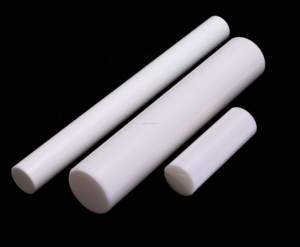
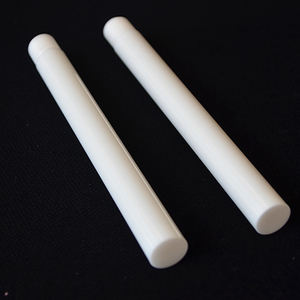
Resistor Ceramic Rod for Burner Electrodes is precision-manufactured from 99% aluminum oxide (Al₂O₃), delivering exceptional thermal stability and mechanical properties. These rods maintain structural integrity in extreme environments up to 1800°C, making them perfect for demanding industrial and research applications.
With outstanding resistance to wear, corrosion and thermal shock, alumina rods are widely used in high-temperature fixtures, sensor components, semiconductor equipment, and laboratory apparatus.
Key Features of Resistor Ceramic Rod for Burner Electrodes
Extreme Temperature Resistance – Continuous operation up to 1800°C
Superior Mechanical Strength – High hardness and wear resistance
Excellent Thermal Shock Resistance – Withstands rapid temperature changes
Electrical Insulation – High dielectric strength for electronic applications
Chemical Inertness – Resists acids, alkalis and corrosive environments
Precision Dimensions – Tight tolerances for critical applications

(Resistor Ceramic Rod for Burner Electrodes)
Specification of Resistor Ceramic Rod for Burner Electrodes
Resistor ceramic rods are important for burner electrodes. These rods manage electrical current. They control ignition systems. They help start flames safely. The rods are made from special ceramic material. This material handles high heat well. It does not break down easily.
These rods come in standard sizes. Common lengths are 100mm, 150mm, and 200mm. The diameter is usually 6mm or 8mm. The exact size depends on the burner model. Always check your equipment specs. You need the right fit.
Electrical resistance is a key feature. Resistance values vary. Typical ratings are 1kΩ, 5kΩ, or 10kΩ. The resistance level controls the current flow. It affects ignition timing. Choose the resistance needed for your system.
Temperature tolerance is very high. These rods handle over 1000°C. They stay stable inside hot burners. They don’t melt or crack. This makes them reliable for long use.
The rods have metal end caps. These caps connect to wires. The connection must be secure. Loose connections cause problems. Proper installation is simple but important. Push the rod into its holder. Make sure it’s seated firmly.
These ceramic rods resist electrical arcing. Arcing damages electrodes. The ceramic surface prevents this. It keeps the system working safely. Good rods last a long time. They need little maintenance. Replace them if damaged or worn out.

(Resistor Ceramic Rod for Burner Electrodes)
Applications of Resistor Ceramic Rod for Burner Electrodes
Resistor ceramic rods are important parts in burner electrodes. They help create sparks for ignition in gas appliances. These rods are made from a special ceramic material. This material handles high temperatures very well. It also insulates electricity effectively.
The rod sits inside the burner electrode assembly. It separates the metal parts carrying the electrical charge. Without this ceramic, the electricity could short out. The spark would not happen where it’s needed. The ceramic rod guides the spark to the right place at the burner tip.
Heat is a big challenge near burners. The ceramic rod faces intense flames. Ordinary materials might crack or break. Resistor ceramic stays strong. It doesn’t melt or degrade easily. This keeps the ignition system reliable over time.
Temperature changes happen often. The burner heats up quickly. Then it cools down just as fast. This thermal shock can damage materials. The ceramic rod is designed to resist this stress. It expands and contracts without cracking. This ensures long life for the electrode.
These rods are found in many gas appliances. You see them in kitchen stoves, ovens, and water heaters. Industrial heaters and furnaces use them too. Anywhere gas needs lighting, this component is likely working. It provides a safe spark to start the flame.
The ceramic material is an electrical insulator. It stops electricity from flowing where it shouldn’t. Yet, it allows the spark to jump across a precise gap. This control is vital for consistent ignition. The rod also physically supports the electrode structure.
Reliability is crucial for burner ignition. A failing igniter means the burner won’t light. The resistor ceramic rod helps prevent this failure. Its toughness and insulating properties make ignition dependable. Users expect their gas appliances to work every time. This part helps make that happen.

Company Profile
Alumina Technology Co., Ltd,. We focus on the research and development, production and sales of alumina products, serving the electronics, ceramics, chemical and other industries. Since its establishment in 2005, the company has been committed to providing customers with the best products and services, and has become a leader in the industry through continuous technological innovation and strict quality management.
Our products includes but not limited to Alumina Boat, Alumina Crucible, Alumina Dish, Alumina Foam Filter, Alumina Plate, Alumina Rod, Alumina Bar, Alumina Balls, Filter Alumina, Nano Alumina Powder, Spherical Alumina Powder, ect. please feel free to contact us.([email protected])

Payment Methods
T/T, Western Union, Paypal, Credit Card etc.
Shipment Methods
By air, by sea, by express, as customers request.
5 FAQs of Resistor Ceramic Rod for Burner Electrodes
Here are five common questions about resistor ceramic rods used in burner electrodes:
What is a resistor ceramic rod? It’s a special part in gas burner electrodes. This rod sits between the igniter electrode tip and the main electrode body. It controls the spark.
Why use ceramic? Ceramic handles high heat near flames. It doesn’t melt or burn like plastic. Ceramic also stops electricity jumping places it shouldn’t. This makes ignition safer.
How does it work? The ceramic rod has a resistor built inside. This resistor limits the electrical current flowing to the electrode tip. Less current means a smaller, safer spark happens. It stops big sparks that could damage things.
How long do they last? These rods are tough. They usually last the whole life of the appliance. Extreme heat or physical damage can break them. Broken rods cause ignition problems.
What problems happen? If the resistor inside fails, no spark happens. A cracked rod lets electricity arc incorrectly. This might cause weak sparks or no ignition at all. Replacing the rod fixes these issues.

(Resistor Ceramic Rod for Burner Electrodes)
REQUEST A QUOTE
RELATED PRODUCTS
Polished Wear Resistance Zirconium Oxide Ceramic Rod Zirconia Rod
Custom Alumina Ceramic Zirconia Rod for Water Pumps
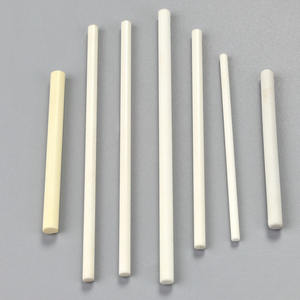
Ceramic rods Custom Manufacturing Precision Alumina Zirconia Ceramic Rods Custom Diameter Length
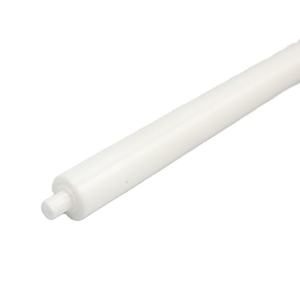
6.5mm Pump Rotor Zirconia Ceramic Rods Shaft
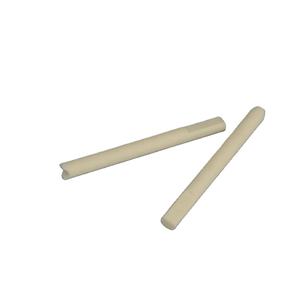
Ceramic OD5mm Alumina Ceramic Boiler Ignition Rod