Professional Premium Aluminum Oxide Products Supplier


PRODUCT PARAMETERS
Description
Overview of High Temperature Ceramic Pipe 95% Alumina Ceramic Pipe for Furnace Refractory
High Temperature Ceramic Pipe 95% Alumina Ceramic Pipe for Furnace Refractory is precision-manufactured from 99% aluminum oxide (Al₂O₃), delivering exceptional thermal stability and mechanical properties. These rods maintain structural integrity in extreme environments up to 1800°C, making them perfect for demanding industrial and research applications.
With outstanding resistance to wear, corrosion and thermal shock, alumina rods are widely used in high-temperature fixtures, sensor components, semiconductor equipment, and laboratory apparatus.
Key Features of High Temperature Ceramic Pipe 95% Alumina Ceramic Pipe for Furnace Refractory
Extreme Temperature Resistance – Continuous operation up to 1800°C
Superior Mechanical Strength – High hardness and wear resistance
Excellent Thermal Shock Resistance – Withstands rapid temperature changes
Electrical Insulation – High dielectric strength for electronic applications
Chemical Inertness – Resists acids, alkalis and corrosive environments
Precision Dimensions – Tight tolerances for critical applications

(High Temperature Ceramic Pipe 95% Alumina Ceramic Pipe for Furnace Refractory)
Specification of High Temperature Ceramic Pipe 95% Alumina Ceramic Pipe for Furnace Refractory
This is a high temperature ceramic pipe. It is made from 95% alumina ceramic. This material is excellent for furnace refractory applications. It handles extreme heat very well. The pipe withstands temperatures up to 1650°C. This makes it perfect for demanding industrial environments. Furnaces and kilns often use these pipes. They are reliable under intense thermal stress.
The pipe is very strong. It offers high mechanical strength. This strength resists physical damage. It also shows good thermal shock resistance. The pipe can handle sudden temperature changes. It won’t crack easily. This durability is important. Industrial processes need dependable parts. This pipe lasts a long time. It reduces the need for frequent replacements.
Alumina ceramic is chemically inert. It does not react easily with many substances. This pipe resists corrosion well. It stands up against acids and bases. Molten metals and slags often contact it. The pipe maintains its integrity. It doesn’t degrade quickly. This stability is crucial for consistent operation.
The pipe has a smooth surface. This surface finish helps reduce friction. Materials flow through it easily. It prevents build-up inside the pipe. This keeps processes running smoothly. The pipe is also electrically insulating. This property is useful in many electrical heating setups. It adds to its versatility.
We make these pipes to precise sizes. They fit standard furnace components. Installation is straightforward. You get a part ready for high-heat service. It performs reliably where other materials fail. This alumina pipe is a solid choice for tough thermal jobs.

(High Temperature Ceramic Pipe 95% Alumina Ceramic Pipe for Furnace Refractory)
Applications of High Temperature Ceramic Pipe 95% Alumina Ceramic Pipe for Furnace Refractory
High temperature ceramic pipes made with 95% alumina are important for tough furnace jobs. These pipes handle very high heat. They are strong. They last a long time. Furnaces need reliable parts. These ceramic pipes are a good choice.
95% alumina means the pipe is mostly pure ceramic material. This material resists heat extremely well. It stays stable even above 1500 degrees Celsius. It doesn’t melt easily. It doesn’t crack under sudden temperature changes. This is key for furnace linings and parts.
Furnaces work hard. They melt metal. They heat treat materials. They need protection inside. The ceramic pipes act as a barrier. They shield the furnace structure. They protect metal parts from direct flame contact. This helps the furnace last longer. It reduces repair costs.
These pipes are very hard. They resist wear from flowing materials. They handle abrasive slag or dust inside furnaces. They don’t wear down quickly. This means less downtime for replacements. Production keeps moving.
Chemical resistance is another big plus. Furnace atmospheres can be harsh. There might be acids or bases present. The 95% alumina pipes don’t react easily. They keep their shape and strength. This reliability is vital for consistent furnace operation.
Using these pipes improves furnace efficiency. They hold heat well. Less heat escapes. This saves energy. Fuel costs go down. Temperature control becomes easier. Product quality improves.

Company Profile
Alumina Technology Co., Ltd,. We focus on the research and development, production and sales of alumina products, serving the electronics, ceramics, chemical and other industries. Since its establishment in 2005, the company has been committed to providing customers with the best products and services, and has become a leader in the industry through continuous technological innovation and strict quality management.
Our products includes but not limited to Alumina Boat, Alumina Crucible, Alumina Dish, Alumina Foam Filter, Alumina Plate, Alumina Rod, Alumina Bar, Alumina Balls, Filter Alumina, Nano Alumina Powder, Spherical Alumina Powder, ect. please feel free to contact us.([email protected])

Payment Methods
T/T, Western Union, Paypal, Credit Card etc.
Shipment Methods
By air, by sea, by express, as customers request.
5 FAQs of High Temperature Ceramic Pipe 95% Alumina Ceramic Pipe for Furnace Refractory
What makes high temperature ceramic pipes good for furnaces?
These pipes handle extreme heat very well. They resist temperatures much higher than many other materials. This makes them perfect inside hot furnaces. They won’t crack or break down easily under thermal stress.
Where are these alumina pipes usually used?
You find them in places needing serious heat resistance. Industrial furnaces use them often. Kilns for ceramics or metals rely on them. They work well as protective tubes or linings. They shield sensitive parts from direct flames.
What material is inside these pipes?
The main material is alumina, aluminum oxide. The pipes contain about 95% pure alumina. This high purity gives them their strength. It also gives them their excellent heat resistance. It makes them stable at high temperatures.
How do you put these ceramic pipes in place?
Installation needs care. The pipes are hard but can be brittle. Handle them gently to avoid cracks. They fit inside metal outer shells sometimes. This adds support. Proper sealing at joints is critical. It prevents heat leaks.
Do these pipes need special care?
They are quite tough. They resist chemical attack well. They handle thermal cycling reliably. Still, check them regularly. Look for any cracks or serious wear. Replace damaged sections promptly. This keeps everything safe and working right.

(High Temperature Ceramic Pipe 95% Alumina Ceramic Pipe for Furnace Refractory)
REQUEST A QUOTE
RELATED PRODUCTS
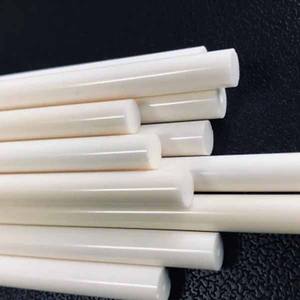
L60*4.3mm 220V Al2o3 Ceramic Heater Rod Element Soldering Iron
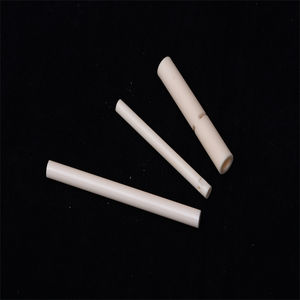
High Quality Abrasion Resistance White 95% and 99% Alumina Ceramic Rods with Screw Threads Welding Cutting Bending Services

High Quality Finish Machining Zirconia Ceramic Rod High Temperature Resistance Zirconia Ceramic Rod
High Temperature Alumina Ceramic And Temperature Resistant For Alumina Ceramic Tube

799 Alumina Ceramic Tube Closed One End