Professional Premium Aluminum Oxide Products Supplier

In today’s rapidly progressing commercial landscape, the requirement for high-performance materials has never been better. Industries around the world are regularly looking for products that offer unparalleled resilience, precision, and performance. Among the leading contenders, Alumina Porcelain Plates stand apart for their remarkable residential or commercial properties, offering a series of benefits that other materials just can not match. Whether you are in electronic devices, aerospace, automobile, or manufacturing, these high-quality ceramic plates give essential advantages for a selection of vital applications.In this short article, we will explore the crucial functions, benefits, and expanding global demand for Alumina Ceramic Plates, highlighting why this material is quickly becoming a foundation in innovative commercial services.
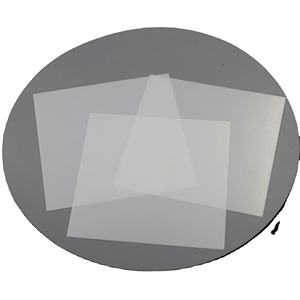
What Are Alumina Porcelain Plates and Just How Do They Work?
Alumina ceramic plates are made from aluminum oxide (Al two O FOUR), a highly stable and flexible ceramic substance that excels in severe settings. Alumina porcelains are generated via a regulated sintering process, which entails heating powdered lightweight aluminum oxide at high temperatures to produce a solid and thick material.
These plates can be found in various pureness levels (commonly varying from 85% to 99.9%), with greater pureness offering improved mechanical and electrical properties. The vital qualities that make alumina ceramic plates optimal for a vast array of applications consist of:
High Mechanical Strength: Alumina porcelains are known for their exceptional firmness and tensile strength, making them immune to use, abrasion, and contortion under severe stress.
Thermal Resistance: These plates can endure high temperatures– typically as much as 1700 ° C– making them excellent for high-temperature settings such as heater cellular linings and warm exchangers.
Chemical Inertness: Alumina’s resistance to corrosion and chemical attack makes it suitable for use in rough chemical settings, consisting as those in the chemical and pharmaceutical sectors.
Electric Insulation: Alumina ceramic plates also function as excellent electrical insulators, using resistance to electric conductivity while keeping thermal stability.
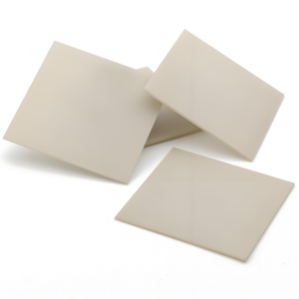
These qualities make alumina ceramic plates a high-performance product fit for both commercial and technological innovations, making certain a vast array of applications from making to digital tools.
Comparing Alumina Porcelain Plates to Other High-Performance Products
While alumina ceramic plates have clear benefits, it’s useful to comprehend just how they compare to various other products typically utilized in industrial applications, such as silicon carbide (SiC), zirconia, and graphite.
Alumina vs. Silicon Carbide (SiC)
Firmness: Both alumina and silicon carbide are very difficult, but SiC supplies a greater solidity and remarkable wear resistance. However, alumina master regards thermal stability and can endure higher temperatures than SiC.
Expense: Alumina is usually much more cost-effective than silicon carbide, making it a recommended option for applications where extreme wear resistance is not the greatest concern.
Applications: While SiC is typically utilized for cutting devices and grinding wheels, alumina is normally preferred in applications such as electric insulators, seals, and wear-resistant parts.
Alumina vs. Zirconia
Sturdiness: Zirconia ceramics are tougher and much more resistant to fracturing compared to alumina. Nevertheless, alumina has a greater melting point and is more immune to high-temperature oxidation, which gives it an edge in extreme warm atmospheres.
Expense: Zirconia is much more costly due to its exceptional strength, but also for numerous applications, alumina’s equilibrium of performance and cost makes it an extra eye-catching alternative.
Alumina vs. Graphite
Thermal Conductivity: Graphite excels in thermal conductivity, which makes it ideal for heat sinks; however, alumina is superior in terms of thermal resistance and thermal shock resistance.
Applications: While graphite is generally used in the production of lubes, electrodes, and warmth exchangers, alumina is favored for its electrical insulation properties and use in high-temperature applications like furnace linings and insulators.
Global Market Trends for Alumina Porcelain Plates
As sectors move toward more lasting and reliable materials, Alumina Porcelain Plates are experiencing a rise in popularity around the world. The worldwide porcelain market is anticipated to grow continuously, with alumina ceramics leading the charge because of their high durability, chemical resistance, and cost-effectiveness.
The Asia-Pacific area, especially China and India, is driving a considerable portion of the international need for alumina ceramics. With fast automation, boosting construction tasks, and an expanding electronic devices market, the demand for premium ceramic plates in this region is expected to continue expanding.
The United States And Canada, and Europe: In North America and Europe, sectors are significantly focusing on sustainability and technology. Alumina porcelains are being taken on in advanced production markets, including aerospace, electronic devices, and power, where accuracy and high performance are important. In these regions, alumina’s superior properties for electric insulation and use resistance are driving its adoption in industries varying from semiconductors to vehicles.Arising Markets: Arising markets in Latin America and Africa are likewise adding to the global growth of alumina ceramic plates, driven by growing infrastructure advancement, industrialization, and the need for high-performance materials for power and production fields.
Production Refine of Alumina Porcelain Plates
The manufacturing of alumina ceramic plates entails numerous thorough actions to ensure that they meet the required efficiency criteria. Below’s a breakdown of the common manufacturing process:
Basic Material Choice: High-purity aluminum oxide powder is sourced and carefully chosen based on its quality and consistency.
Blending and Molding: The lightweight aluminum oxide powder is mixed with binders to create a paste. This mix is then built into the desired shape of the ceramic plate.
Drying: The shaped product is carefully dried out to eliminate any dampness material before shooting.
Shooting (Sintering): The dried mold and mildew are warmed in a kiln at high temperatures (around 1600-1700 ° C) to fuse the particles, creating a thick and durable ceramic material.
Completing: After sintering, the ceramic plates are ground, brightened, or layered depending upon their desired application. This step guarantees accurate dimensions and smooth surfaces.
This multi-step process makes certain that alumina ceramic plates satisfy strict top quality criteria for toughness, thermal resistance, and electrical insulation.
Applications of Alumina Ceramic Plates
Alumina ceramic plates are used throughout a wide range of applications.
Electronic devices: Made use of as insulators in electric elements and substrates in digital gadgets like mobile phones, sensing units, and capacitors.
Aerospace: Used in high-temperature applications such as generator engines and thermal barriers as a result of their excellent thermal resistance.
Manufacturing: Used in wear-resistant components like seals, bearings, and mechanical components in heavy machinery.
Energy: Made use of in innovative energy innovations, such as gas cells and activators, due to their capability to stand up to rough chemical environments and extreme temperature levels.
Final thought: Why Alumina Ceramic Plates Are the Future of Advanced Production.
Alumina Ceramic Plates are transforming sectors worldwide with their exceptional stamina, chemical resistance, and thermal stability. As sectors demand materials that can perform under severe conditions while keeping high accuracy, alumina porcelains are proving to be an essential solution. Whether you are in the electronics, aerospace, or vehicle fields, purchasing top-notch alumina ceramic plates ensures that your items can endure the test of time and performance. With their expanding demand throughout emerging markets and highly advanced areas, alumina ceramic plates are setting the stage for an extra durable, reliable, and lasting future.
Supplier
Alumina Technology Co., Ltd focus on the research and development, production and sales of aluminum oxide powder, aluminum oxide products, aluminum oxide crucible, etc., serving the electronics, ceramics, chemical and other industries. Since its establishment in 2005, the company has been committed to providing customers with the best products and services. If you are looking for high quality Alumina Ceramic Plates, please feel free to contact us.
Tags:Alumina Ceramic Plates,aluminum oxide ceramic plate,porous alumina plate
RELATED POSTS
What Is an Alumina Ceramic Baking Dish? Your Complete Guide to This High-Performance Kitchen Essential
5 Common Problems and Practical Fixes for Your Alumina Ceramic Baking Dish
Alumina Ceramic Baking Dishes: A Deep Dive into Performance, Varieties, and Kitchen Applications

Discover the Versatility of Alumina Ceramic Baking Dishes and More
Alumina Ceramic Baking Dishes: A Deep Dive into Performance, Types, and Kitchen Applications