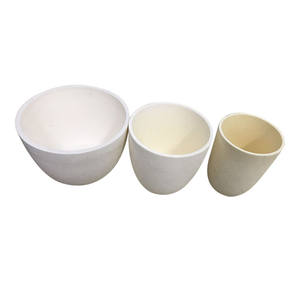
Professional Premium Aluminum Oxide Products Supplier

1. Introduction
In a recent development that’s stirring interest among home chefs and materials enthusiasts alike, premium kitchenware brands are increasingly turning to high-purity alumina ceramics for bakeware and tableware. Just 24 hours ago, Staub—a renowned name in cookware—teased a new line of ‘alumina baking ceramic dish’ products designed for even heat distribution and oven-to-table elegance. This trend highlights a growing consumer shift toward durable, non-reactive, and aesthetically refined ceramic kitchen essentials.

But what exactly is an alumina ceramic baking dish, and why should you care? Whether you’re shopping for an alumina ceramic casserole with lid, alumina white ceramic plates, or even an alumina ceramic butter dish with lid, understanding the material behind these items can help you make smarter kitchen choices.
2. What Is Alumina Ceramic?
Alumina (Al₂O₃) is a type of advanced ceramic made from aluminum oxide. Unlike traditional pottery clay, high-alumina ceramics are fired at extremely high temperatures, resulting in a dense, non-porous, and highly durable material. In the kitchen, this translates to bakeware and tableware that resists chipping, thermal shock, and staining.
While industrial-grade alumina is used in everything from thermocouple protection tubes to grinding discs, food-safe versions are specially formulated for culinary use—ensuring they’re lead-free, non-toxic, and oven-safe up to very high temperatures.
3. Why Choose an Alumina Ceramic Baking Dish?
3.1. Superior Heat Retention and Distribution
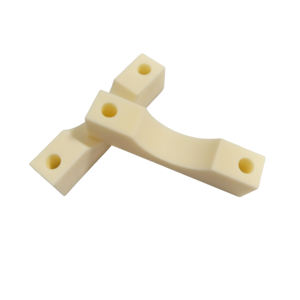
An alumina ceramic baking dish heats evenly and holds temperature longer than glass or standard stoneware. This makes it ideal for casseroles, gratins, and slow-roasted dishes. Whether you’re using an alumina casserole ceramic dish or an alumina oven ceramic dish, you’ll notice more consistent cooking results.
3.2. Non-Reactive and Safe
Unlike some metal or glazed ceramics, alumina ceramic dishes for oven use don’t leach chemicals or react with acidic foods like tomatoes or citrus. This makes them perfect for everything from lasagna to lemon-herb chicken.
3.3. Stylish and Versatile
From minimalist alumina white ceramic plates to dramatic alumina black plates ceramic options, these pieces double as serving ware. An alumina ceramic serving platter or alumina ceramic serving bowls can go straight from oven to dining table without needing a transfer.
4. Popular Alumina Ceramic Kitchenware Items
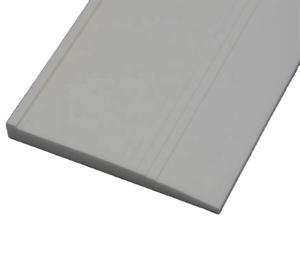
Beyond the classic alumina ceramic baking dish, consumers are embracing a full suite of alumina-based tableware:
- Alumina ceramic dinner plates and alumina dinner ceramic plates for everyday elegance
- Alumina ceramic plates for dinner in black, white, or handcrafted designs like alumina blue white porcelain plates
- Alumina ceramic childrens plates that resist breakage and stains
- Alumina ceramic ramekins and alumina ramekin ceramic for individual desserts or soufflés
- Alumina ceramic sugar dish and alumina ceramic butter dish (often sold with lids for freshness)
- Seasonal favorites like alumina ceramic christmas plates and alumina christmas ceramic platter for festive gatherings
- Alumina salad ceramic bowl and alumina ceramic plate bowls for versatile serving
Many of these items, including the sought-after alumina baking dish staub, are now available through specialty retailers and online marketplaces.
5. Alumina vs. Other Ceramics: What’s the Difference?
Not all ceramics are created equal. Standard earthenware or porcelain may contain lower alumina content, making them more porous and prone to cracking under thermal stress. In contrast, high-alumina ceramics (often 90%+ Al₂O₃ in industrial contexts, though slightly less in food-safe variants) offer unmatched strength and stability.
It’s worth noting that while terms like ‘alumina ceramic disc taps’ or ‘alumina grinding disc’ refer to technical components, your kitchenware uses a food-grade version of the same base material—engineered for safety, not abrasion resistance.
6. Care and Maintenance Tips
To keep your alumina ceramic dishes looking pristine:
- Avoid sudden temperature changes (don’t place a hot dish on a cold countertop)
- Use non-abrasive cleaners to preserve the glaze
- Most alumina ceramic dishes for oven use are dishwasher-safe, but hand-washing extends longevity
- Store with care—while durable, they can still chip if knocked hard against metal or stone
7. Beyond the Kitchen: Industrial Uses of Alumina Ceramics
While this article focuses on culinary applications, it’s fascinating to note that the same material powers high-tech industries. Alumina ceramic tubes are used in furnaces, thermocouples, and even aerospace systems. Products like alumina silicon carbide tubes, alumina zirconia crucibles, and alumina ceramic bricks serve extreme environments where heat resistance is critical.
However, these industrial forms are not food-safe and should never be confused with kitchenware. Always ensure your ‘alumina ceramic dish’ is labeled for culinary use.
8. Conclusion
Whether you’re eyeing an alumina ceramic casserole, a set of alumina ceramic plates and bowls, or a sleek alumina butter ceramic dish with lid, choosing alumina-based tableware means investing in durability, performance, and timeless style. As brands like Staub innovate with this remarkable material, home cooks can enjoy professional-grade results with everyday ease. So next time you’re shopping for bakeware or dinnerware, consider the quiet strength of the humble—but mighty—alumina ceramic baking dish.
Our Website founded on October 17, 2012, is a high-tech enterprise committed to the research and development, production, processing, sales and technical services of ceramic relative materials such as 10. Our products includes but not limited to Boron Carbide Ceramic Products, Boron Nitride Ceramic Products, Silicon Carbide Ceramic Products, Silicon Nitride Ceramic Products, Zirconium Dioxide Ceramic Products, etc. If you are interested, please feel free to contact us.
RELATED POSTS
5 Common Problems and Practical Fixes for Your Alumina Ceramic Baking Dish

Alumina Ceramic Baking Dishes: The Ultimate Kitchen Upgrade for Heat, Style, and Safety
What Is an Alumina Ceramic Baking Dish and Why Is It Gaining Popularity in Modern Kitchens?

XTL Sintyron White Round Block: High Hardness Al2O3 Alumina Ceramic Plate for Wear Resistance

How to Use and Care for Your Alumina Ceramic Baking Dish: A Practical Guide