Professional Premium Aluminum Oxide Products Supplier

**Alumina Ceramic Seals vs. Grit Slurry: Can They Handle the Abuse?**

(Are Alumina Ceramic Mechanic Seals Acceptable For Grit Slurry)
Grit slurry. Just saying it sounds rough. Imagine tiny rocks, sand, and abrasive particles swirling in a watery mix, constantly bombarding anything in their path. Now picture a critical piece of equipment trying to contain this mess – the pump seal. Failure here means leaks, downtime, expensive repairs. So the big question pops up: can tough alumina ceramic seals really stand up to this punishment? Let’s dig in.
Pump seals in slurry duty face a nightmare. The gritty particles act like sandpaper. They constantly grind away at seal faces. Traditional materials like carbon or softer metals often wear out fast. They get eroded. They lose their sealing ability. Then you get leaks. Then you get downtime. Then you get big bills. Finding a seal material that laughs at this abuse is crucial.
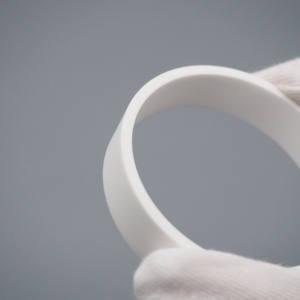
Enter alumina ceramic. This stuff is seriously hard. Think about scratching glass. Alumina ceramic is harder than most minerals found in slurries. Those abrasive particles? They meet their match. Instead of easily wearing down the seal face, the particles themselves can get fractured or simply slide off. This hardness translates directly into longer life. It means less frequent seal changes. It means pumps stay running longer.
But hardness isn’t the only weapon. Slurries aren’t just abrasive. They can be chemically nasty too. Acids, alkalis, weird mixtures – they can corrode many metals. Alumina ceramic shines here. It’s incredibly inert. Most chemicals barely touch it. This chemical resistance is a massive plus. Your seal faces stay smooth. They stay intact. Corrosion won’t ruin your day.
Heat is another factor. Pump seals generate friction. That means heat. Alumina ceramic handles high temperatures well. It won’t warp or crack easily under thermal stress. This stability keeps the seal faces flat and true. Flat faces seal better. They leak less. Consistent performance matters.
Alumina ceramic also wins on smoothness. When manufactured well, its surface is incredibly fine. This ultra-smooth finish creates a better barrier against leakage. There’s less friction too. Less friction means less heat generation. It’s a good cycle. Less heat, less wear, longer life. Simple.
Now, is it perfect? Almost nothing is. Alumina ceramic is very hard. This hardness makes it brittle. Heavy impacts or severe shock loads can cause chipping or cracking. Installation needs care. Avoiding sharp knocks is key. You need proper gland design. You need correct face loading. Get this right, and the brittleness becomes manageable. It’s a trade-off for that amazing wear resistance.

(Are Alumina Ceramic Mechanic Seals Acceptable For Grit Slurry)
So, back to the original challenge: grit slurry. Can alumina ceramic seals handle it? Absolutely. They are one of the top choices for these brutal applications. Their extreme hardness fights abrasion. Their chemical inertness fights corrosion. Their thermal stability fights heat. Their smoothness fights leakage. Think mining slurries, coal fly ash, mineral processing, wastewater with solids – places where lesser seals quickly fail. Alumina ceramic steps up. It takes the beating and keeps on sealing. That’s reliability you can count on when the going gets gritty. Trust me, your maintenance crew will thank you.
RELATED POSTS
Alumina Ceramic Baking Dishes Are Revolutionizing High-Temperature Laboratory Sample Preparation
Why Are Alumina Ceramic Baking Dishes Used in High-Temperature Laboratory Crucibles?
Alumina Ceramic Baking Dishes Are the Oven-Safe Superheroes Your Kitchen Didn’t Know It Needed
High Precision 99% Al2O3 Alumina Ceramic Blocks for High-Temperature Industrial Applications
Alumina Ceramic Chemical Catalyst Supports: Enhancing Efficiency in Industrial Catalysis