Professional Premium Aluminum Oxide Products Supplier

**Sticking Alumina Tubes Together: Glue Won’t Cut It**

(How To Join Alumina Ceramic Tubes)
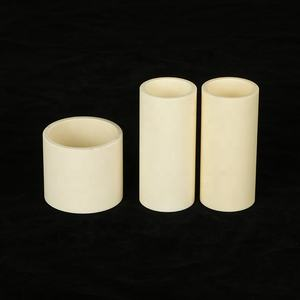
Alumina ceramic tubes. You see them everywhere once you start looking. Inside high-temperature furnaces, inside sensitive lab equipment, even in some fancy lighting. They handle heat like champs, laugh at corrosion, and stay strong under pressure. But try sticking two together? That’s where the headache starts. Regular superglue? Forget it. It just won’t hold. These tubes need special joining tricks.
Think about it. Alumina is incredibly hard. It barely expands when heated. That makes it tough for most glues to grab on properly. Plus, the joints often face extreme heat or harsh chemicals. Normal adhesives melt, crack, or just let go. You need methods built for the job.
One solid way is using special ceramic adhesives. These aren’t your hardware store glues. We call them ceramic cements or refractory adhesives. They’re made from similar tough stuff, often alumina powders mixed with special liquids. They cure hard and can handle serious heat. The trick is surface prep. Clean those tube ends like your life depends on it. Any grease or dirt is the enemy. Sometimes you roughen the surface slightly so the cement grips better. Apply the paste carefully, push the tubes together firmly, and let it cure exactly as the instructions say. Patience matters here. Rushing means a weak joint. This method works well for repairs or assemblies that won’t see the absolute highest temperatures.
Need something even stronger? Think heat. The glass frit bonding method is like high-tech soldering for ceramics. You use a special powdered glass mixture. Apply this fine powder slurry to the super-clean tube ends. Fit the tubes together. Now comes the hot part. You fire the whole assembly in a kiln. You heat it slowly, precisely, to a point where that glass powder melts. It flows into the tiny pores of the alumina. Then you cool it down, again very carefully. The molten glass fuses with the ceramic itself, creating a bond almost as strong as the original tube. It’s fantastic for permanent, high-stress, high-temperature joints. But you need a kiln and good temperature control. Mess up the heating or cooling? You might crack your expensive tubes. It’s a bit more involved.
There’s another high-tech option: laser welding. Fancy labs and factories use this. A super-focused laser beam melts just the very edges of the alumina where the tubes meet. The molten ceramic flows together, fusing the tubes as it cools and solidifies. It’s incredibly precise and creates amazingly strong joints. But the equipment costs a fortune. It’s not really a DIY solution. It’s for top-end manufacturing.
Picking the best method isn’t hard. Ask yourself some questions. How hot will the joint get? How strong does it need to be? Is this a permanent fix or just a temporary patch? What tools do you actually have? For most workshop fixes or lower-temperature uses, a good ceramic cement is your best friend. Get the surface prep right, follow the instructions, and you’ll get a solid bond. For critical parts facing furnace-level heat, glass frit bonding is the gold standard. Just be ready for the kiln work. Laser welding? Leave that to the specialists with the big budgets.

(How To Join Alumina Ceramic Tubes)
No matter which path you choose, cleaning is non-negotiable. Wipe those joint surfaces down with acetone or isopropanol. Get them perfectly clean and dry. Any contamination is a weak spot waiting to happen. Roughening the surface a tiny bit often helps the adhesive grip. And always, always clamp the joint securely while the adhesive sets or during firing. Movement ruins everything. Measure carefully before you commit. Once that ceramic cement cures hard or that glass frit melts, changing your mind means starting over, probably with new tubes. Getting it right the first time saves time, money, and a whole lot of frustration. Working with alumina means respecting its nature. It’s tough, but joining it demands the right approach.
RELATED POSTS
High-Purity Polished Alumina Ceramic: 99.7% Al2O3 Boards, Sheets, Plates, and Blocks
Revolutionizing Industrial Technology with Alumina Ceramic Tube Solutions
How Is Alumina Ceramic Used Beyond the Kitchen—Like in High-Temperature Lab Crucibles?
Alumina Ceramic Baking Dishes: The Ultimate Kitchen Upgrade for Durability and Performance

Alumina Ceramic Baking Dishes Are Revolutionizing High-Temperature Laboratory Sample Preparation