Professional Premium Aluminum Oxide Products Supplier

1. Introduction
Just 24 hours ago, a viral TikTok video showed a popular influencer’s alumina ceramic baking dish cracking mid-oven—sparking thousands of comments from frustrated users asking, “Why does this keep happening?” The truth is, while alumina ceramic dishes are prized for their durability and heat retention, they require specific handling to avoid common pitfalls.
Whether you own an alumina baking ceramic dish, an alumina ceramic casserole with lid, or even an alumina ceramic butter dish with lid, knowing how to use and maintain these items correctly can save you money, time, and ruined meals. In this guide, we’ll walk you through five frequent problems and how to fix—or prevent—them.
2. Problem #1: Cracking or Shattering During Baking
Alumina ceramic dishes are oven-safe, but sudden temperature changes (thermal shock) can cause cracks. This often happens when you place a cold dish directly into a hot oven or vice versa.
- Always preheat your oven before inserting your alumina oven ceramic dish.
- Avoid placing a hot dish on a cold countertop or in cold water immediately after baking.
- Let the dish cool gradually inside the turned-off oven or on a dry wooden board.
Note: Not all “ceramic” dishes are made from high-purity alumina. True alumina ceramic dishes for oven use are denser and more thermally stable—but still not immune to shock.
3. Problem #2: Food Sticking or Staining
Even though alumina ceramic plates and bowls have a naturally non-porous surface, acidic foods like tomato sauce or turmeric can leave stubborn stains over time.
- Soak the dish in warm water with baking soda for 30 minutes before washing.
- For tougher stains, make a paste of hydrogen peroxide and baking soda, apply it to the stain, and let sit for 1–2 hours before rinsing.
- Never use steel wool or abrasive scrubbers—they can scratch the glaze, making future staining worse.
This tip works equally well for alumina ceramic serving bowls, alumina salad ceramic bowls, and even alumina ceramic ramekins.
4. Problem #3: Confusion About Oven, Microwave, and Dishwasher Safety
Many shoppers assume all alumina ceramic dinner plates or alumina white ceramic plates are universally safe—but that’s not always true.
Check the manufacturer’s label. Most high-quality alumina ceramic dishes for oven use (like an alumina casserole ceramic dish or alumina baking dish staub-style products) are safe in ovens up to 500°F (260°C), microwaves, and dishwashers.
However, handwashing is recommended for longevity—especially for delicate items like alumina ceramic childrens plates or alumina ceramic christmas plates.
Avoid using metallic paint or decals on alumina ceramic plates for painting unless labeled microwave-safe; these can spark or degrade.
5. Problem #4: Misidentifying Alumina Ceramic vs. Regular Ceramic
Not every “white ceramic dish” is made from alumina. True alumina ceramic contains a high percentage of aluminum oxide (Al₂O₃), making it harder, more heat-resistant, and less porous than standard stoneware or porcelain.
Look for terms like “high-alumina,” “99% alumina,” or “engineered ceramic” in product descriptions. Brands selling alumina ceramic serving platters or alumina black ceramic plates often highlight thermal stability and chip resistance.
If your dish chips easily or warps in the oven, it may be regular ceramic—not true alumina ceramic.
6. Problem #5: Improper Storage Leading to Chips or Breaks
Stacking alumina ceramic plate bowls or alumina dinner ceramic plates without protection can cause micro-chips that weaken the structure over time.
- Store dishes with soft felt pads or paper towels between them.
- Keep lids (like those on an alumina ceramic sugar dish or alumina butter dish ceramic with lid) separate or cushioned to avoid pressure points.
- Avoid overcrowding cabinets—alumina ceramic is strong but brittle under impact.
7. Bonus Tips for Longevity
To get the most out of your alumina ceramic dishes:
- Use wooden, silicone, or plastic utensils to prevent scratching.
- Rotate usage among multiple alumina ceramic casserole dishes to reduce wear.
- Inspect regularly for hairline cracks—discard if found, as they can worsen during heating.
Remember: Alumina ceramic isn’t just for baking. Items like alumina blue white porcelain plates or alumina handcrafted ceramic plates double as elegant serving ware thanks to their smooth, glossy finish and neutral tones.
8. Conclusion
Your alumina ceramic baking dish is a versatile, long-lasting kitchen essential—if treated with care. By avoiding thermal shock, cleaning gently, verifying material authenticity, and storing properly, you’ll enjoy years of beautiful, functional use across everything from casseroles to holiday platters. Don’t let one cracked dish scare you off—just follow these simple fixes and prevention tips!
Our Website founded on October 17, 2012, is a high-tech enterprise committed to the research and development, production, processing, sales and technical services of ceramic relative materials such as 5. Our products includes but not limited to Boron Carbide Ceramic Products, Boron Nitride Ceramic Products, Silicon Carbide Ceramic Products, Silicon Nitride Ceramic Products, Zirconium Dioxide Ceramic Products, etc. If you are interested, please feel free to contact us.
RELATED POSTS

How to Use and Care for Your Alumina Ceramic Baking Dish Without Turning Dinner into a Science Experiment
What Is an Alumina Ceramic Baking Dish and Why Should You Use One?
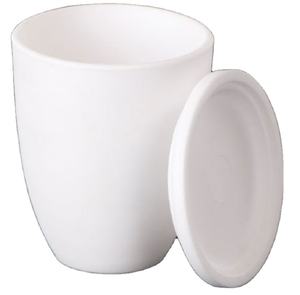
Alumina Ceramic Baking Dishes Offer Superior Heat Resistance and Versatility in the Kitchen
Alumina Ceramic Plate: The Ultimate Engineering Service For Extreme Industrial Environments
Changing Industrial Performance: The Unseen Power of Alumina Pubs in Modern Manufacturing
