Professional Premium Aluminum Oxide Products Supplier

1. Introduction
When you hear ‘alumina ceramic baking dish,’ your mind might drift to holiday casseroles or artisanal dinnerware like alumina ceramic dinner plates or alumina ceramic serving platters. And yes—these elegant, durable kitchen items do exist, often prized for their heat retention and non-reactive surfaces. But beyond the culinary world, the same material powers some of the most demanding applications in science and industry.
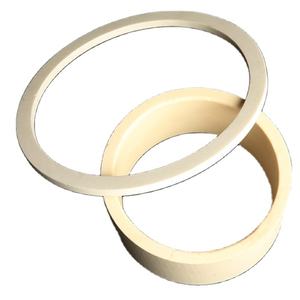
High-purity alumina (Al₂O₃) ceramics—typically 95% to 99.8% pure—are engineered for extreme conditions. In laboratories, they’re not used for roasting vegetables but for containing molten metals, shielding sensitive sensors, and lining high-temperature furnaces. This article dives into how the properties that make an alumina oven ceramic dish perfect for your kitchen also make it irreplaceable in advanced research.
2. Why Alumina? The Material Advantage
Alumina ceramics stand out for three key traits: exceptional thermal stability (withstanding temperatures up to 1,700°C), outstanding chemical resistance (even against strong acids and molten metals), and high mechanical hardness. Unlike standard pottery or porcelain, technical-grade alumina is sintered under controlled conditions to eliminate porosity and maximize density.
These characteristics make alumina ideal not just for alumina ceramic casserole dishes with lids, but for critical lab components like alumina thermocouple protection tubes and alumina ceramic crucibles. In fact, many lab-grade alumina items look deceptively similar to kitchenware—such as an alumina ceramic melting dish—but are manufactured to far stricter tolerances.
3. Niche Application: High-Temperature Laboratory Crucibles
3.1. Melting and Analysis Without Contamination
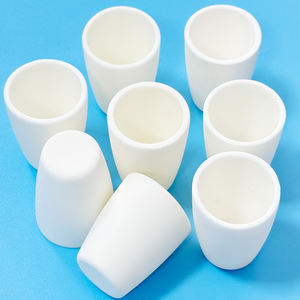
One of the most vital uses of alumina ceramics in labs is as crucibles for high-temperature sample preparation. Whether melting gold, steel, or rare-earth alloys, researchers rely on alumina ceramic crucibles to avoid contamination. Unlike graphite or silica, alumina doesn’t react with most molten metals below 1,600°C.
For instance, an alumina ceramic crucible for melting gold must remain chemically inert while enduring rapid thermal cycling. The same material used in an alumina ceramic sugar dish or alumina butter ceramic dish with lid is refined here to near-theoretical density, ensuring zero leaching or structural failure.
3.2. Compatibility with Analytical Equipment
Alumina crucibles are also standard in X-ray fluorescence (XRF) and inductively coupled plasma (ICP) analysis. Their purity ensures that trace elements in samples aren’t masked by crucible impurities—a critical concern when working with ppm-level detection limits.
4. Thermocouple Protection and Furnace Components
4.1. Shielding Sensors in Extreme Heat
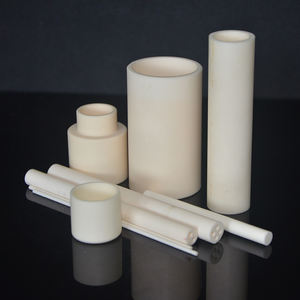
Thermocouples used in industrial or research furnaces require robust protection. Enter the alumina ceramic thermocouple protection tube. These alumina high temperature ceramic tubes shield delicate sensor wires from corrosive atmospheres, molten salts, and thermal shock.
Available as alumina ceramic tubes for high temperature or threaded variants like alumina threaded ceramic tube, they’re often paired with alumina ceramic tube insulators to prevent electrical grounding. Brands like CoorsTek supply alumina coorstek ceramic tubes specifically engineered for aerospace and metallurgy labs.
4.2. Structural Integrity in Furnace Design
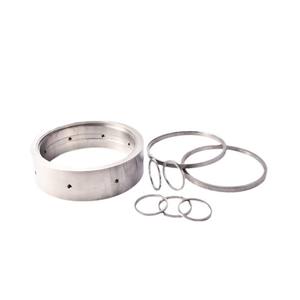
Beyond sensors, alumina ceramic pipes and alumina ceramic bricks line the interiors of tube furnaces. Alumina fire bricks and alumina ceramic kiln bricks provide insulation while resisting deformation at red-hot temperatures. Even alumina discs—often confused with kitchenware like alumina ceramic ramekins—are used as insulating spacers or seals in high-vacuum systems.
5. From Kitchen to Lab: Shared Foundations, Different Standards
It’s fascinating that the same base material appears in both an alumina ceramic Christmas plate and an alumina thermocouple ceramic tube. However, the manufacturing standards diverge sharply. Kitchen-grade alumina ceramic plates for dinner may contain colorants or glazes, while lab-grade components are unglazed, fully dense, and tested for thermal shock resistance.
That said, the aesthetic appeal of alumina white ceramic plates or alumina black ceramic plates stems from the same inherent whiteness (or intentional doping for black variants) of pure alumina—proving that function and form can coexist, even if in separate domains.
6. Conclusion
While the alumina ceramic baking dish might grace your holiday table, its high-purity cousins are quietly enabling breakthroughs in materials science, metallurgy, and energy research. From alumina ceramic casserole dishes to alumina ceramic crucibles for sale in specialized catalogs, the versatility of alumina ceramics bridges everyday elegance and extreme engineering. Understanding this duality not only highlights the material’s adaptability but also underscores why it remains a cornerstone of both artisanal craftsmanship and advanced technology.
Our Website founded on October 17, 2012, is a high-tech enterprise committed to the research and development, production, processing, sales and technical services of ceramic relative materials such as Alumina. Our products includes but not limited to Boron Carbide Ceramic Products, Boron Nitride Ceramic Products, Silicon Carbide Ceramic Products, Silicon Nitride Ceramic Products, Zirconium Dioxide Ceramic Products, etc. If you are interested, please feel free to contact us.
RELATED POSTS
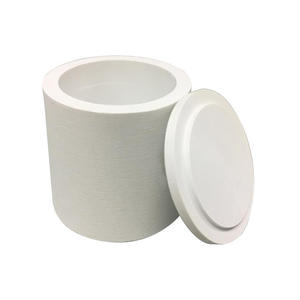
Alumina Ceramic Baking Dishes: The Ultimate Kitchen Upgrade for Durability and Style
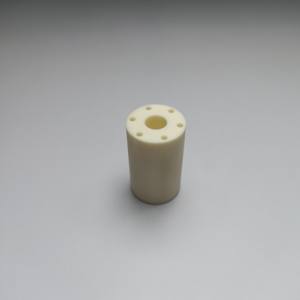
Discover the Versatility of Alumina Ceramic Baking Dishes and More
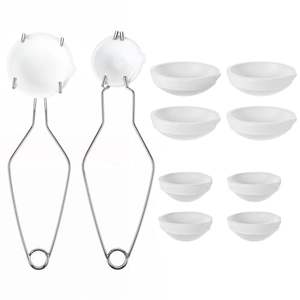
5 Niche Applications of Alumina Ceramic Baking Dishes Beyond the Kitchen
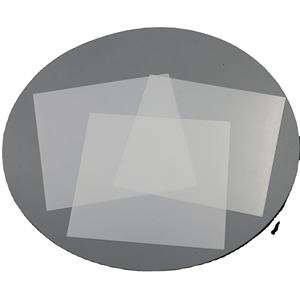
How Is Alumina Ceramic Used Beyond the Kitchen—Like in High-Temperature Lab Crucibles?
5 Common Problems and Practical Fixes for Your Alumina Ceramic Baking Dish