Professional Premium Aluminum Oxide Products Supplier

1. Introduction
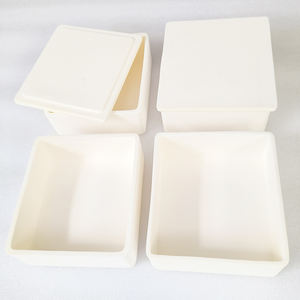
In a recent development that’s sparked interest among culinary enthusiasts and materials scientists alike, a major European kitchenware brand just launched a new line of high-purity alumina ceramic bakeware, touting unmatched thermal shock resistance and eco-friendly production. This move aligns with growing consumer demand for non-toxic, durable, and sustainable cookware—making alumina ceramic baking dishes a hot topic in both home kitchens and industrial design circles.

If you’ve been searching for bakeware that combines elegance with engineering-grade performance, you’ve likely come across terms like ‘alumina ceramic baking dish‘ or ‘alumina oven ceramic dish.’ But what exactly is alumina ceramic, and why is it becoming a go-to material for everything from casserole dishes to children’s plates?
2. What Is Alumina Ceramic?
Alumina ceramic—also known as aluminum oxide (Al₂O₃)—is a high-performance engineered ceramic prized for its hardness, chemical inertness, and ability to withstand extreme temperatures. Unlike traditional pottery, which may contain impurities or glazes that leach under heat, high-purity alumina ceramic is non-porous, non-reactive, and safe for food contact.
This material is commonly used in aerospace, medical implants, and industrial linings—but its food-safe variants have found a natural home in premium kitchenware.
3. Why Choose an Alumina Ceramic Baking Dish?
3.1. Oven-Safe and Thermally Stable
One of the standout features of an alumina ceramic baking dish is its exceptional thermal stability. Whether you’re roasting at 500°F or transferring from freezer to oven, these dishes resist cracking—a common issue with lower-grade ceramics.
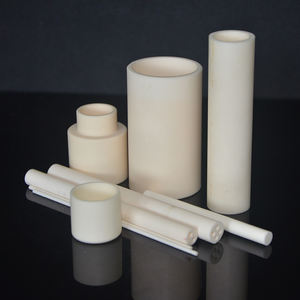
Products like the alumina baking dish Staub (a nod to premium cookware brands embracing the material) exemplify this resilience, making them ideal for casseroles, gratins, and even bread baking.
3.2. Non-Toxic and Hygienic
Because alumina ceramic is non-porous, it doesn’t absorb food odors, stains, or bacteria. This makes items like the alumina ceramic butter dish with lid or alumina ceramic sugar dish not only stylish but also hygienic for long-term use.
- No lead or cadmium in high-quality versions
- Resists scratching and chipping better than standard stoneware
- Safe for acidic foods like tomatoes or citrus
4. Beyond Baking: The Full Range of Alumina Ceramic Tableware
While the alumina ceramic casserole with lid gets top billing, the versatility of this material extends far beyond the oven.
4.1. Dinnerware and Serving Pieces
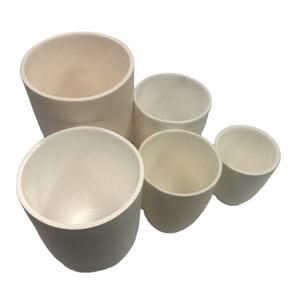
From everyday meals to holiday feasts, alumina ceramic plates for dinner offer a sleek, modern look. Options include alumina white ceramic plates for minimalist aesthetics, alumina black ceramic plates for dramatic contrast, and even alumina blue white porcelain plates that blend tradition with innovation.
Specialty items like alumina ceramic Christmas plates and alumina Christmas ceramic platter add festive flair without sacrificing durability.
4.2. Functional Kitchenware
The same properties that make alumina ideal for baking also suit it for:
- Alumina ceramic ramekins for crème brûlée or soufflés
- Alumina salad ceramic bowl for crisp, fresh presentations
- Alumina ceramic serving bowls and alumina ceramic serving platter for elegant table settings
- Alumina ceramic childrens plates that withstand drops and dishwashers
Even creative uses like alumina ceramic plates for painting are gaining traction among crafters who appreciate the smooth, durable surface.
5. Clarifying Common Confusions
It’s important to distinguish kitchen-grade alumina ceramic from industrial alumina components—like alumina ceramic tubes, alumina grinding discs, or alumina crucibles—used in high-temperature furnaces or laboratories. While they share the same base material, food-safe alumina ceramic bakeware is specifically formulated and glazed (if at all) to meet FDA or EU food-contact standards.
For example, an alumina ceramic dish meant for your oven should never be confused with an alumina thermocouple protection tube or alumina silicon carbide grinding disc—those serve entirely different purposes.
6. Care and Longevity
To maximize the life of your alumina ceramic dishes for oven use:
- Avoid sudden temperature shocks (though they’re more resistant than most)
- Use non-metal utensils to preserve surface finish
- Hand-washing is recommended for handcrafted pieces like alumina handcrafted ceramic plates, though many are dishwasher-safe
With proper care, an alumina ceramic casserole dish or set of alumina ceramic plates and bowls can last decades—making it a sustainable investment.
7. Conclusion
Whether you’re baking a lasagna in an alumina ceramic casserole, serving butter in an alumina butter ceramic dish with lid, or setting the table with alumina ceramic black plates, you’re choosing a blend of science, safety, and style. As more brands adopt this advanced ceramic for kitchen use, the alumina ceramic baking dish is poised to become a staple in modern, health-conscious homes.
Our Website founded on October 17, 2012, is a high-tech enterprise committed to the research and development, production, processing, sales and technical services of ceramic relative materials such as Alumina. Our products includes but not limited to Boron Carbide Ceramic Products, Boron Nitride Ceramic Products, Silicon Carbide Ceramic Products, Silicon Nitride Ceramic Products, Zirconium Dioxide Ceramic Products, etc. If you are interested, please feel free to contact us.
RELATED POSTS
7 Reasons Alumina Ceramic Baking Dishes Are Revolutionizing Your Kitchen
What Is an Alumina Ceramic Baking Dish and Why Is It Gaining Popularity in Modern Kitchens?

What Is Alumina Ceramic and How Does It Enhance Baking Dishes?
What Makes Alumina Ceramic Baking Dishes Superior for Oven Use?
10 Things You Need to Know About Alumina Ceramic Baking Dishes