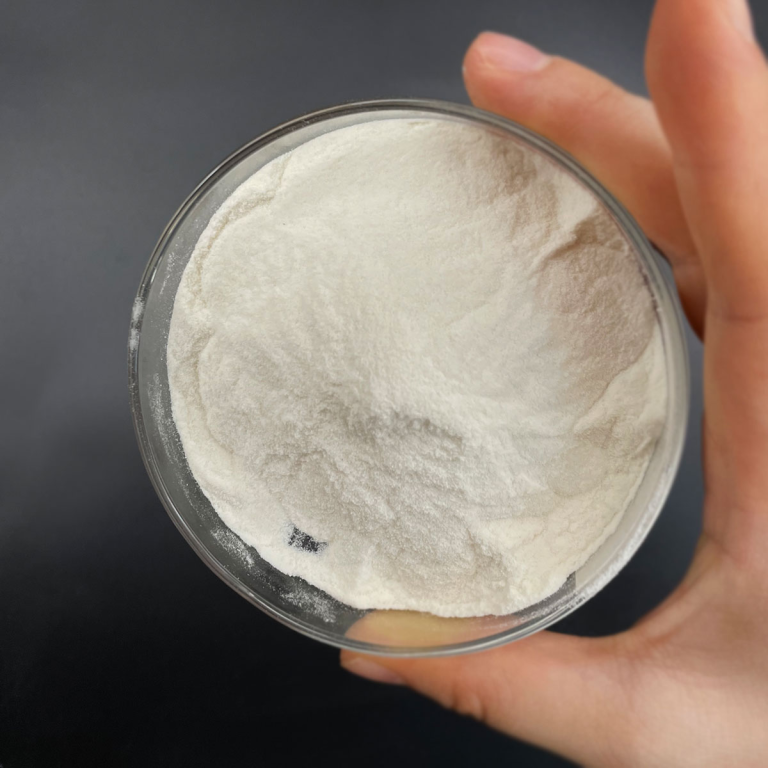
Professional Premium Aluminum Oxide Products Supplier


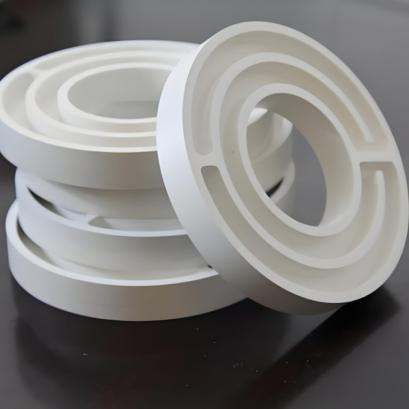
(Alumina Ceramic Wear Liners)
1. Why Alumina Ceramic Wear Liners Have Good Characteristics
1.1 High Hardness and Wear Resistance
Alumina ceramic wear liners possess exceptional hardness, often exceeding that of many metals and alloys. This inherent hardness contributes significantly to their remarkable wear resistance. The crystalline structure of alumina, composed of tightly bonded aluminum and oxygen atoms, creates a formidable barrier against abrasive forces. In environments where materials are subjected to constant friction, impact, or erosion, alumina liners effectively minimize material loss. This makes them ideal for applications involving handling of abrasive materials such as coal, minerals, and aggregates. The superior wear resistance translates to extended operational life of equipment, reduced downtime for replacements, and ultimately, cost savings in maintenance and materials.
1.2 Chemical Inertness and Corrosion Resistance
Alumina is a chemically inert material, meaning it is highly resistant to reacting with a wide range of substances. This inertness extends to resistance against acids, alkalis, and solvents, which are commonly encountered in industrial processes. Unlike metals that can corrode when exposed to corrosive environments, alumina maintains its structural integrity and performance characteristics. This makes alumina liners particularly suitable for applications in chemical processing, mining, and wastewater treatment, where materials are constantly exposed to corrosive fluids and slurries. The chemical stability of alumina ensures that the liners will not degrade or contaminate the materials they are protecting, preserving the purity and quality of the processed products.
1.3 High Temperature Stability
Alumina ceramic exhibits excellent thermal stability, maintaining its strength and structural integrity at elevated temperatures. It can withstand temperatures significantly higher than most metals and polymers without softening, deforming, or losing its wear resistance. This high-temperature stability makes alumina liners suitable for applications in high-temperature environments, such as power generation, cement manufacturing, and steel production. In these industries, equipment components are often exposed to extreme heat generated by combustion or process operations. Alumina liners provide a reliable protective barrier, preventing damage to underlying structures and ensuring the safe and efficient operation of equipment.
2. What Are Alumina Ceramic Wear Liners?
2.1 Definition and Composition
Alumina ceramic wear liners are protective components designed to shield equipment and structures from wear caused by abrasion, impact, and erosion. They are primarily composed of aluminum oxide (Al2O3), commonly referred to as alumina. The alumina content in these liners can vary, typically ranging from 85% to 99.9%, depending on the specific application requirements. Higher alumina content generally translates to greater hardness, wear resistance, and chemical inertness. The remaining constituents may include small amounts of sintering aids, which are added to facilitate the densification process during manufacturing. These liners are manufactured in various shapes and sizes to accommodate diverse equipment configurations and application needs.
2.2 Functionality and Benefits
The primary function of alumina ceramic wear liners is to extend the lifespan of equipment that is subjected to harsh operating conditions. By creating a durable and abrasion-resistant barrier, these liners protect underlying metal surfaces from premature wear and degradation. The benefits of using alumina liners include reduced downtime for equipment maintenance and repairs, increased operational efficiency, and lower overall costs. They also help prevent contamination of processed materials by minimizing the release of wear debris. Furthermore, alumina liners offer superior performance compared to traditional wear-resistant materials such as steel or rubber in demanding applications involving high abrasion, impact, and corrosive environments.
2.3 Types of Alumina Ceramic Wear Liners
Alumina ceramic wear liners are available in a variety of forms to suit different application needs. Common types include tiles, bricks, cylinders, and custom-shaped components. Tiles are typically used for lining flat or curved surfaces, such as chutes and hoppers. Bricks are often employed in high-impact areas, such as ball mills and crushers. Cylinders are suitable for lining pipes and conveying systems. Custom-shaped components can be designed and manufactured to fit specific equipment geometries. The choice of liner type depends on factors such as the severity of wear, the shape and size of the equipment, and the installation method. Proper selection of liner type is crucial for optimizing wear protection and maximizing the lifespan of the equipment.
3. How Alumina Ceramic Wear Liners Are Produced?
3.1 Powder Preparation and Mixing
The production of alumina ceramic wear liners begins with the selection of high-purity alumina powder as the primary raw material. The powder’s particle size distribution and morphology are carefully controlled to ensure optimal packing density and sintering behavior. Sintering aids, such as magnesia or silica, may be added in small amounts to promote densification during the subsequent firing process. These additives help to lower the sintering temperature and improve the final microstructure of the ceramic. The alumina powder and sintering aids are thoroughly mixed using ball milling or other mixing techniques to achieve a homogeneous blend. This ensures uniform composition and consistent properties throughout the finished product.
3.2 Forming and Shaping
The mixed alumina powder is then formed into the desired shape using various ceramic forming techniques. Common methods include pressing, extrusion, and slip casting. Pressing involves compacting the powder in a die under high pressure to create a green body. Extrusion is used to produce continuous shapes, such as tubes and rods, by forcing the powder through a die. Slip casting involves pouring a liquid suspension of the powder into a porous mold, allowing the liquid to drain away and leaving a solid layer of ceramic on the mold walls. The choice of forming method depends on the complexity of the shape, the desired dimensional tolerances, and the production volume. The green body is then carefully dried to remove any residual moisture before firing.
3.3 Sintering and Finishing
The dried green body is subjected to a high-temperature sintering process in a controlled atmosphere furnace. Sintering involves heating the ceramic to a temperature below its melting point, causing the powder particles to fuse together and form a dense, solid material. The sintering temperature and duration are carefully controlled to optimize the densification process and minimize grain growth. After sintering, the ceramic wear liners may undergo additional finishing operations, such as grinding, polishing, or machining, to achieve the desired surface finish and dimensional accuracy. Quality control inspections are performed throughout the production process to ensure that the liners meet the required specifications for hardness, wear resistance, and dimensional tolerances.
4. What Are The Application Fields of Alumina Ceramic Wear Liners?
4.1 Mining and Mineral Processing
The mining and mineral processing industries are major users of alumina ceramic wear liners due to the highly abrasive nature of the materials handled. These liners are used to protect equipment such as chutes, hoppers, pipelines, and grinding mills from wear caused by the continuous flow of rocks, ores, and mineral slurries. In crushing and grinding operations, alumina liners extend the lifespan of mill liners and grinding media, reducing downtime and improving productivity. They are also used in screening and classification equipment to prevent wear from abrasive particles. The chemical resistance of alumina liners is particularly beneficial in mineral processing environments where corrosive chemicals are used for leaching and separation.
4.2 Power Generation
In power generation plants, alumina ceramic wear liners are used to protect equipment from wear caused by the handling of coal, ash, and other abrasive materials. Coal pulverizers, which grind coal into a fine powder for combustion, are particularly susceptible to wear and are often lined with alumina ceramics to extend their operational life. Alumina liners are also used in coal handling systems, such as conveyors and chutes, to prevent wear from the abrasive coal particles. In ash handling systems, they protect equipment from erosion caused by the high-velocity flow of ash particles. The high-temperature stability of alumina makes it suitable for use in boiler components and other high-temperature areas.
4.3 Cement Manufacturing
Cement manufacturing involves the handling of large quantities of abrasive raw materials, such as limestone, clay, and shale. Alumina ceramic wear liners are used extensively throughout the cement production process to protect equipment from wear. They are used in raw material handling systems, such as crushers and conveyors, to prevent wear from the abrasive materials. In rotary kilns, which are used to heat the raw materials to high temperatures, alumina liners protect the kiln shell from erosion caused by the hot, abrasive clinker. They are also used in cement mills to extend the lifespan of the grinding media and mill liners. The chemical resistance of alumina is beneficial in environments where corrosive gases and liquids are present.
5. How To Choose A Good Alumina Ceramic Wear Liners
5.1 Material Composition and Purity
The alumina content is a crucial factor to consider when selecting alumina ceramic wear liners. Higher alumina content (e.g., 92% or 95% Al2O3) generally indicates better wear resistance and hardness compared to lower alumina content materials. The purity of the alumina is also important, as impurities can negatively affect the mechanical properties and chemical resistance of the liner. Look for liners made from high-quality, fine-grained alumina powder with minimal impurities. Ask the manufacturer for the material’s technical data sheet, which should specify the alumina content, density, hardness, and other relevant properties. Comparing these specifications from different suppliers will help you make an informed decision.
5.2 Size and Shape Considerations
Choosing the correct size and shape of alumina ceramic wear liners is critical for effective wear protection. The liners should be sized to fit the specific equipment or area being protected, ensuring complete coverage and minimizing gaps where wear can occur. Consider the geometry of the surface being lined and select liners that conform to the shape. For example, curved surfaces may require curved or segmented liners. If standard sizes are not suitable, custom-shaped liners can be manufactured to meet specific requirements. Proper fitment is essential for preventing premature failure and maximizing the lifespan of the liners. Consult with the manufacturer or supplier to determine the optimal size and shape for your application.
5.3 Installation Method and Support
The installation method and support system are crucial for the long-term performance of alumina ceramic wear liners. The liners must be securely attached to the underlying structure to prevent movement or dislodgement during operation. Common installation methods include epoxy bonding, welding, and mechanical fastening. Epoxy bonding is suitable for applications with moderate impact and abrasion, while welding is preferred for high-impact environments. Mechanical fastening, such as bolting or clamping, provides a strong and reliable attachment. The support system should be designed to distribute the load evenly and prevent stress concentrations on the liners. Proper installation is essential for ensuring that the liners provide effective wear protection and last for their intended lifespan. Consult with experienced installers to ensure proper installation techniques are used.
6. What Does People Also Ask About Alumina Ceramic Wear Liners
6.1 What is the lifespan of alumina ceramic wear liners?
The lifespan of alumina ceramic wear liners varies depending on the application, the severity of wear conditions, and the quality of the material. In highly abrasive environments, such as mining or mineral processing, liners may last for several years. In less demanding applications, they can last for decades. Proper installation and maintenance can also significantly extend the lifespan of the liners. Factors that can affect lifespan include the type of material being handled, the velocity of the material flow, the impact frequency, and the chemical environment. Regular inspections should be conducted to monitor the condition of the liners and identify any signs of wear or damage. Replacing worn liners promptly will prevent damage to the underlying equipment and ensure continued wear protection.
6.2 Are alumina ceramic wear liners expensive?
While the initial cost of alumina ceramic wear liners may be higher than that of some other wear-resistant materials, the long-term cost-effectiveness can be significant. Alumina liners offer superior wear resistance and lifespan compared to materials such as steel or rubber, resulting in reduced downtime for maintenance and repairs. This can lead to substantial cost savings over the lifespan of the equipment. Furthermore, alumina liners can prevent damage to expensive equipment components, further reducing costs. When evaluating the cost of alumina liners, it is important to consider the total cost of ownership, including material costs, installation costs, maintenance costs, and downtime costs. In many cases, the long-term benefits of using alumina liners outweigh the initial cost investment.
6.3 Can alumina ceramic wear liners be used in wet environments?
Yes, alumina ceramic wear liners are well-suited for use in wet environments due to their excellent chemical resistance. Alumina is resistant to corrosion from water, acids, and alkalis, making it an ideal material for applications involving wet or corrosive materials. In wet environments, alumina liners can protect equipment from erosion caused by slurry flow and chemical attack. They are commonly used in mining, mineral processing, wastewater treatment, and chemical processing applications where equipment is constantly exposed to wet or corrosive conditions. The chemical inertness of alumina ensures that the liners will not degrade or contaminate the processed materials, preserving the purity and quality of the products.
Tags: Alumina Ceramic, Wear Liners, Ceramic Liners, Wear Protection, Abrasion Resistance, Mining, Power Generation, Cement

(Alumina Ceramic Wear Liners)
Supplier
Alumina Technology Co., Ltd focus on the research and development, production and sales of aluminum oxide powder, aluminum oxide products, aluminum oxide crucible, etc., serving the electronics, ceramics, chemical and other industries. Since its establishment in 2005, the company has been committed to providing customers with the best products and services. If you are looking for high quality Alumina Ceramic Products , please feel free to contact us. (nanotrun@yahoo.com)
RELATED POSTS
Discover the Versatility and Performance of Alumina Ceramic Baking Dishes
Can an Alumina Ceramic Baking Dish Be Used in High-Temperature Industrial Processes?
High Purity And High Density: Unveiling The Manufacturing Process Of High-Performance Alumina Ceramic Rods

5 Common Problems and Practical Fixes for Your Alumina Ceramic Baking Dish
Alumina Ceramic Baking Dishes Are Revolutionizing High-Temperature Laboratory Crucibles