Professional Premium Aluminum Oxide Products Supplier

1. Introduction
In the past 48 hours, a viral TikTok video showing a shattered ‘alumina ceramic baking dish’ after a quick temperature change sparked widespread concern among home bakers. The clip—now viewed over 2 million times—highlighted a critical gap in user knowledge about high-performance ceramic cookware. While alumina ceramic dishes are prized for their heat retention and non-reactive surface, improper handling can lead to breakage or reduced lifespan.
If you’ve recently invested in an alumina ceramic baking dish—or are considering one—you’re not alone. These durable, elegant pieces are increasingly popular for everything from casseroles to roasting vegetables. But to get the most out of your alumina baking ceramic dish, you need to understand its unique properties and care requirements.
2. What Is an Alumina Ceramic Baking Dish?
An alumina ceramic baking dish is made from high-purity aluminum oxide (Al₂O₃), fired at extremely high temperatures to create a dense, non-porous, and thermally stable material. Unlike standard stoneware or porcelain, alumina ceramic can withstand rapid temperature shifts and repeated oven use without warping or leaching chemicals.
Don’t confuse it with other alumina ceramic kitchen items like an alumina ceramic butter dish, alumina ceramic dinner plates, or alumina ceramic serving bowls. While all share the same base material, their design and thickness are optimized for specific uses. For example, an alumina ceramic casserole with lid is deeper and often comes with a tight-fitting cover, while alumina white ceramic plates are thinner and meant for serving—not baking.
3. Step-by-Step Guide to Using Your Alumina Ceramic Baking Dish
3.1 Preheat Properly
Always place your alumina oven ceramic dish in a cold oven and then preheat. Sudden exposure to high heat (like placing a room-temperature dish into a 400°F preheated oven) can cause thermal shock and cracking. This is the #1 mistake users make.
3.2 Avoid Direct Flame or Broiler Overuse
While alumina ceramic dishes for oven use are heat-resistant, they’re not designed for direct flame contact (like on a gas stovetop) or prolonged broiler exposure. Use the broiler only for short finishing touches, and keep the dish on the middle rack—not directly under the heating element.
3.3 Use Non-Metal Utensils
To preserve the glaze and prevent scratches, use wooden, silicone, or plastic utensils. Metal can chip the surface over time, especially on delicate pieces like alumina ceramic ramekins or alumina ceramic childrens plates.
4. Cleaning and Maintenance Tips
4.1 Cool Before Washing
Let your alumina ceramic casserole dish cool completely before washing. Plunging a hot dish into cold water is a fast track to breakage.
4.2 Hand Wash Preferred
Even if labeled dishwasher-safe, hand washing with mild soap and a soft sponge extends the life of your alumina ceramic dish. Harsh detergents and high-pressure dishwasher jets can dull the finish over time.
4.3 Remove Stains Naturally
For baked-on residue or discoloration, soak in warm water with baking soda for 15–30 minutes. Avoid abrasive scrubbers—especially on specialty items like alumina ceramic plates for painting or alumina blue white porcelain plates, which may have decorative surfaces.
5. Common Problems and Solutions
Cracking or Chipping
- Cause: Thermal shock or impact.
- Solution: Always preheat with the oven and avoid stacking heavy items on top when storing.
Staining or Odor Retention
- Cause: Porous glaze (rare in true alumina ceramic, but possible in lower-grade imitations).
- Solution: Verify your dish is 95%+ alumina. True alumina ceramic serving dishes are non-porous and shouldn’t absorb smells.
Confusion with Other Products
- Many shoppers mistake an alumina butter ceramic dish with lid or alumina ceramic sugar dish for a baking dish. Remember: only use items explicitly labeled as oven-safe. Alumina ceramic plates black or alumina handcrafted ceramic plates are typically for serving only.
6. Storage and Long-Term Care
Store your alumina oven dish ceramic with a soft cloth between stacked pieces to prevent scratching. If you own a set—including alumina ceramic bowl plates, alumina salad ceramic bowl, or alumina ceramic serving platter—keep them in a dedicated cabinet away from heavy cookware.
Also, avoid storing acidic foods (like tomato sauce) in your alumina ceramic casserole for more than 24 hours, even though the material is non-reactive. It’s a best practice for all ceramic cookware.
7. Conclusion
Your alumina ceramic baking dish is a high-performance kitchen tool that, when used correctly, can last for years. By following these simple steps—preheating properly, avoiding thermal shock, using gentle cleaning methods, and distinguishing it from other alumina ceramic dishes like dinner plates or butter dishes—you’ll enjoy consistent results and beautiful presentation. Whether you’re baking a holiday casserole in your alumina ceramic casserole or serving appetizers on an alumina christmas ceramic platter, proper care ensures both safety and style.
alumina founded on October 17, 2012, is a high-tech enterprise committed to the research and development, production, processing, sales and technical services of ceramic relative materials such as How. Our products includes but not limited to Boron Carbide Ceramic Products, Boron Nitride Ceramic Products, Silicon Carbide Ceramic Products, Silicon Nitride Ceramic Products, Zirconium Dioxide Ceramic Products, etc. If you are interested, please feel free to contact us.
RELATED POSTS
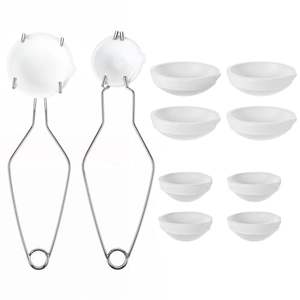
How to Use and Care for Your Alumina Ceramic Baking Dish?
Alumina Ceramic Baking Dishes Are Revolutionizing High-Temperature Culinary Labs
Alumina Ceramic Baking Dishes: A Deep Dive into Performance, Types, and Kitchen Applications
What Is an Alumina Ceramic Baking Dish and Why Is It Gaining Popularity in Modern Kitchens?
Alumina Ceramic Cylinders: Essential Properties and Industrial Applications