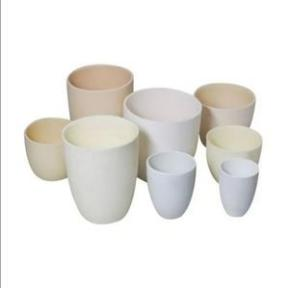
Professional Premium Aluminum Oxide Products Supplier

1. Introduction
In the past 48 hours, home cooks across social media have been buzzing about high-performance ceramic bakeware—especially after a viral TikTok video showcased an ‘alumina ceramic baking dish’ surviving a sudden transfer from freezer to 500°F oven without cracking. While that’s impressive, it also sparked confusion: not all ceramic dishes are created equal, and improper use can still lead to breakage or damage.
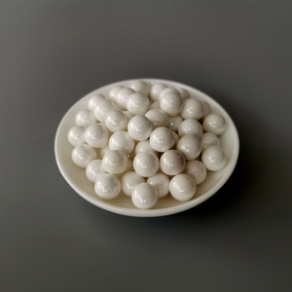
If you’ve recently bought or inherited an alumina ceramic baking dish—or are considering one—you’re likely wondering how to get the most out of it without ruining your cookware (or your casserole). This guide walks you through everything you need to know, step by step.
2. Understanding Your Alumina Ceramic Baking Dish
First, let’s clarify what sets an alumina ceramic baking dish apart. Made primarily from aluminum oxide (Al₂O₃), these dishes offer exceptional heat resistance, durability, and non-reactivity. Unlike standard stoneware, alumina-based ceramics can withstand extreme temperatures—often up to 1,700°C in industrial settings—but even kitchen-grade versions handle typical oven use with ease.
You might also see related items labeled as ‘alumina baking ceramic dish,’ ‘alumina ceramic casserole dish,’ or ‘alumina oven ceramic dish.’ These are all variations of the same high-performance material, often used interchangeably in retail contexts.
3. Step-by-Step Guide to Using Your Dish Safely
3.1. Preheating and Temperature Management
Always place your alumina ceramic dish in a cold oven if possible. While it resists thermal shock better than regular ceramic, sudden temperature changes can still cause microfractures over time.
- Never put a frozen alumina ceramic casserole directly into a hot oven.
- Avoid placing a hot dish on a cold countertop or wet surface—use a dry trivet or wooden board.
3.2. Cooking Best Practices
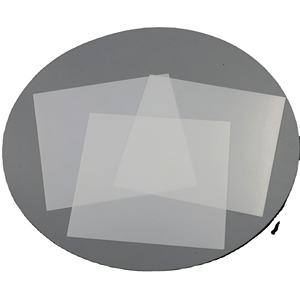
Alumina ceramic dishes distribute heat evenly, making them ideal for casseroles, gratins, and baked desserts. They’re also safe for broiling, roasting, and even microwave use.
For recipes requiring lids, look for an ‘alumina ceramic casserole with lid’ or cover loosely with foil to prevent steam buildup that could crack weaker ceramics (though alumina handles it well).
3.3. What Not to Do
Despite its toughness, your alumina ceramic baking dish isn’t indestructible.
- Don’t use metal utensils aggressively—they won’t scratch the surface easily, but they can chip edges over time.
- Avoid using it on direct stovetop flames unless explicitly rated for it (most aren’t).
- Don’t use abrasive cleaners or steel wool, which can dull the glaze.
4. Cleaning and Maintenance

4.1. Daily Cleaning
Most food residue wipes off easily once cooled. For stuck-on bits, soak in warm, soapy water for 15–30 minutes before gently scrubbing with a soft sponge.
Your ‘alumina ceramic butter dish’ or ‘alumina ceramic sugar dish’ can be cleaned the same way—just avoid harsh detergents that might affect unglazed interiors.
4.2. Stain Prevention and Removal
Tomato sauces, turmeric, and berries may leave temporary stains on white surfaces like ‘alumina white ceramic plates’ or ‘alumina blue white porcelain plates.’ To remove them:
- Make a paste of baking soda and water.
- Apply gently, let sit for 10 minutes, then rinse.
Never use bleach—it can react with ceramic glazes.
5. Storage Tips
Stacking is fine, but place a paper towel or felt pad between ‘alumina ceramic plates for dinner’ or ‘alumina ceramic serving bowls’ to prevent scratching. Store lids separately if possible to avoid pressure cracks.
If you own seasonal items like ‘alumina ceramic christmas plates’ or an ‘alumina christmas ceramic platter,’ wrap them in acid-free tissue paper and keep in a dry cabinet.
6. Troubleshooting Common Issues
6.1. Cracks or Chips
Even minor chips compromise structural integrity. Discontinue use for cooking if cracks appear—though small ‘alumina ceramic ramekins’ or ‘alumina ceramic plate bowls’ with cosmetic flaws may still serve as decorative items.
6.2. Lingering Odors
For porous unglazed areas (rare in modern alumina ware), soak in a 1:1 vinegar-water solution for an hour, then rinse thoroughly.
6.3. Confusion with Industrial Alumina Parts
Note: Kitchen items like ‘alumina ceramic dishes for oven’ are NOT the same as industrial components such as ‘alumina ceramic tubes,’ ‘alumina grinding disc,’ or ‘alumina crucible.’ Those are engineered for furnaces or labs—not your kitchen!
7. Conclusion
An alumina ceramic baking dish is a durable, versatile addition to any kitchen—when used correctly. By following these simple steps for heating, cleaning, and storing, you’ll extend its life and enjoy consistent cooking results. Whether you’re serving from an ‘alumina ceramic serving platter’ or baking in an ‘alumina casserole ceramic dish,’ treat it with care, and it’ll reward you for years.
Our Website founded on October 17, 2012, is a high-tech enterprise committed to the research and development, production, processing, sales and technical services of ceramic relative materials such as How. Our products includes but not limited to Boron Carbide Ceramic Products, Boron Nitride Ceramic Products, Silicon Carbide Ceramic Products, Silicon Nitride Ceramic Products, Zirconium Dioxide Ceramic Products, etc. If you are interested, please feel free to contact us.
RELATED POSTS
Use an Alumina Ceramic Baking Dish for High-Temperature Lab Synthesis
5 Niche Applications of Alumina Ceramic Baking Dishes Beyond the Kitchen
How to Use and Care for Your Alumina Ceramic Baking Dish: A Practical Guide
Alumina Ceramic Baking Dishes: A Comprehensive Analysis of Performance, Types, and Applications
Alumina Ceramic Baking Dishes: The Ultimate Guide to High-Performance Kitchenware