Professional Premium Aluminum Oxide Products Supplier

1. Introduction
Just 24 hours ago, a viral TikTok video showing a shattered ‘alumina baking ceramic dish’ after being placed directly from the freezer into a hot oven sparked widespread concern among home bakers. The clip, which has since garnered over 2 million views, highlights a common but preventable mistake: ignoring thermal shock limits in high-performance ceramics. If you own an alumina ceramic baking dish—or are considering buying one—it’s essential to understand how to use it safely and effectively.
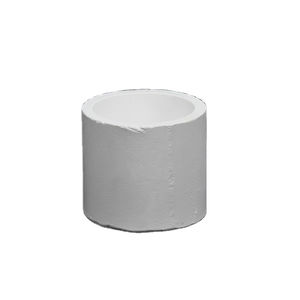
Alumina ceramic dishes are prized for their durability, heat retention, and non-reactive surface. But like all high-alumina pottery, they require specific handling to avoid cracking, chipping, or premature wear. This guide gives you step-by-step instructions to get the most out of your alumina ceramic oven dish—plus tips for pairing it with matching items like alumina ceramic butter dishes, serving platters, and dinner plates.
2. Understanding Your Alumina Ceramic Baking Dish
An alumina ceramic baking dish is made from aluminum oxide (Al₂O₃), fired at extremely high temperatures to create a dense, non-porous, and heat-resistant material. Unlike standard stoneware, high-alumina ceramics can withstand temperatures up to 1,600°C (2,912°F), though most home-use versions are rated for standard oven ranges (up to 500°F or 260°C).
Common forms include:
- Alumina ceramic casserole dish (often with lid)
- Alumina oven ceramic dish for roasting or baking
- Alumina ceramic ramekins for individual servings
- Alumina ceramic serving bowls and platters for elegant presentation
You might also own complementary pieces like an alumina ceramic butter dish with lid, alumina ceramic sugar dish, or even alumina ceramic childrens plates—all part of a coordinated, durable tableware set.
3. Step-by-Step: How to Use Your Alumina Ceramic Dish Safely
3.1. Preheat Gradually
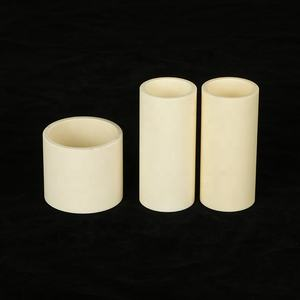
Never place a cold alumina ceramic dish directly into a hot oven. Always put it in while the oven is preheating or let it warm up on the counter first. Sudden temperature changes cause thermal shock, which can crack even the toughest alumina ceramic plates for dinner or baking dishes.
3.2. Avoid Direct Flame or Broiler Overuse
While alumina ceramic dishes for oven use are heat-resistant, direct exposure to open flames (like gas stovetops) or intense broiler heat can create hot spots. Stick to conventional baking and roasting modes.
3.3. Use Wooden or Silicone Utensils
Metal utensils can scratch the glaze over time. Opt for silicone, wood, or nylon tools to preserve the surface of your alumina ceramic bowl plates or casserole dishes.
3.4. Let It Cool Before Washing
After baking, let your alumina oven dish ceramic cool to room temperature before rinsing. Plunging a hot dish into cold water is a fast track to breakage.
4. Cleaning and Maintenance Tips
Alumina ceramic is non-porous, so it resists stains and odors—but it still needs proper care.
- Hand wash with mild soap and a soft sponge. Avoid abrasive cleaners.
- Don’t use in the dishwasher unless the manufacturer explicitly states it’s safe.
- Store with a soft cloth between stacked items like alumina white ceramic plates or alumina black ceramic plates to prevent chipping.
For stubborn baked-on residue, soak in warm water with baking soda for 15–30 minutes before gently scrubbing.
5. Common Problems and Solutions
5.1. Cracks or Hairline Fractures
Cause: Thermal shock or impact. Solution: Discard if cracked—alumina ceramic dishes aren’t safe to use once compromised, even if the crack seems small.
5.2. Discoloration
Cause: High-sugar or acidic foods (like tomato sauce) baked repeatedly. Solution: Use a light coating of oil before baking acidic dishes, or switch to a dedicated alumina ceramic casserole with lid for such recipes.
5.3. Lid Doesn’t Fit Properly
If you own an alumina ceramic butter dish with lid or alumina casserole ceramic dish with cover, ensure both pieces are from the same batch. Slight warping can occur during firing, so mismatched lids may not seal well.
6. Pairing with Other Alumina Ceramic Tableware
Your alumina ceramic baking dish looks stunning alongside matching pieces:
- Alumina ceramic dinner plates and alumina dinner ceramic plates for a cohesive table setting
- Alumina salad ceramic bowl for side dishes
- Alumina ceramic serving platter for holiday meals (including alumina christmas ceramic platter or alumina ceramic christmas plates)
- Alumina blue white porcelain plates for a classic aesthetic
Even functional items like alumina ceramic plates for painting (used in crafts) or alumina handcrafted ceramic plates can complement your kitchen collection.
7. What Not to Do
- Don’t use alumina ceramic dishes on induction cooktops (they’re not magnetic).
- Don’t store food in them for extended periods unless glazed for food safety.
- Don’t confuse your alumina baking dish staub (a brand often associated with enameled cast iron) with actual high-alumina ceramic—check product specs carefully.
8. Conclusion
Your alumina ceramic baking dish is a long-lasting, versatile kitchen essential—if treated with care. By avoiding thermal shock, using gentle cleaning methods, and pairing it with complementary pieces like alumina ceramic serving dishes or alumina ceramic black plates, you’ll enjoy beautiful, functional cookware for years. Remember: when in doubt, go slow with temperature changes and always follow the manufacturer’s guidelines.
Our Website founded on October 17, 2012, is a high-tech enterprise committed to the research and development, production, processing, sales and technical services of ceramic relative materials such as How. Our products includes but not limited to Boron Carbide Ceramic Products, Boron Nitride Ceramic Products, Silicon Carbide Ceramic Products, Silicon Nitride Ceramic Products, Zirconium Dioxide Ceramic Products, etc. If you are interested, please feel free to contact us.
RELATED POSTS
What Is an Alumina Ceramic Baking Dish—and Why Is Everyone Obsessed With It?
Manufacturing Process Of Dental Sintered Zirconia Discs: Extreme Heat Underneath The Mirror
5 Common Problems and Practical Fixes for Your Alumina Ceramic Baking Dish

10 Things You Need to Know About Alumina Ceramic Baking Dishes and More