Professional Premium Aluminum Oxide Products Supplier

1. Introduction
If you’ve recently invested in an alumina ceramic baking dish—or are considering one—you’re in good company. Known for exceptional heat retention, non-reactive surfaces, and elegant aesthetics, alumina ceramic bakeware is a favorite among home chefs and professionals alike. But to get the most out of your alumina baking ceramic dish, it’s essential to use and care for it properly. This guide covers everything from prepping your dish for first use to solving common issues like staining or thermal shock.
2. Understanding Your Alumina Ceramic Baking Dish
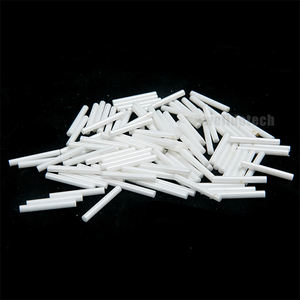
Alumina ceramic dishes are made from high-purity aluminum oxide (Al₂O₃), fired at extremely high temperatures to create a dense, durable, and non-porous surface. Unlike standard ceramic or stoneware, alumina ceramic can withstand thermal cycling without cracking—making it ideal for everything from casseroles to roasting. You’ll often see related items like alumina ceramic casserole with lid, alumina ceramic serving bowls, or even alumina ceramic ramekins that share the same material benefits.
3. Preparing Your Dish for First Use
Before using your new alumina ceramic dish for the first time, give it a gentle wash with warm, soapy water. Avoid abrasive scrubbers—opt for a soft sponge instead. While many alumina ceramic dishes are dishwasher-safe, hand-washing extends their lifespan. Once clean and dry, you’re ready to bake! No seasoning is required, unlike cast iron.
- Always inspect for cracks or chips before first use.
- Never place a cold dish directly into a hot oven—this can cause thermal shock.
4. Safe Oven Use Guidelines
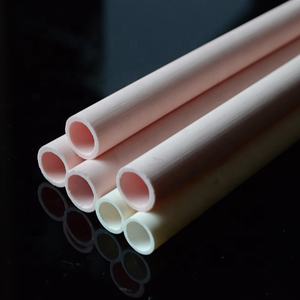
One of the biggest advantages of an alumina ceramic dish is its oven compatibility. Alumina ceramic dishes for oven use can typically handle temperatures up to 500°F (260°C) or higher, depending on the manufacturer. Whether you’re using an alumina casserole ceramic dish or an alumina oven ceramic dish, follow these tips:
- Preheat your oven before placing the dish inside.
- Place the dish on the center rack to ensure even heating.
- Avoid sudden temperature changes—don’t transfer directly from freezer to oven.
Note: While ‘alumina baking dish Staub’ may sound familiar, Staub typically uses enameled cast iron—not alumina ceramic—so verify your product’s material before assuming compatibility.

5. Cleaning and Maintenance
Cleaning your alumina ceramic baking dish is straightforward but requires care to preserve its finish. After use, let the dish cool completely before washing. Stubborn food residue? Soak in warm water with a bit of baking soda for 15–30 minutes before gently scrubbing.
- Never use steel wool or harsh scouring pads.
- Avoid bleach or chlorine-based cleaners—they can degrade the glaze over time.
- Store with a soft cloth between stacked items to prevent scratching, especially if you also own alumina white ceramic plates or alumina black ceramic plates.
6. Pairing with Other Alumina Ceramic Tableware
Alumina ceramic isn’t just for baking. Many households build a full matching set: alumina ceramic dinner plates, alumina ceramic plates for dinner, alumina salad ceramic bowl, and even alumina ceramic butter dish with lid. These pieces share the same durability and aesthetic, making them perfect for cohesive table settings—whether it’s a holiday feast with alumina christmas ceramic platter or a casual weeknight meal with alumina ceramic childrens plates.
For special occasions, consider alumina blue white porcelain plates or alumina handcrafted ceramic plates. And don’t forget functional items like alumina ceramic sugar dish or alumina ceramic serving platter—they all complement your baking dish beautifully.
7. Common Problems and Quick Fixes
Even high-quality alumina ceramic can face issues. Here’s how to troubleshoot:
- Staining: Tomato sauce or turmeric can leave marks. Soak in a 50/50 mix of water and white vinegar for an hour, then rinse.
- Cracking: Usually caused by thermal shock. Always let the dish reach room temperature before heating or cooling.
- Glaze dulling: Over time, dishwasher use may dull the finish. Switch to hand-washing to maintain shine.
If your alumina ceramic casserole develops a hairline crack, discontinue oven use—it’s no longer safe for high heat.
8. What Not to Do
To protect your investment, avoid these common mistakes:
- Never use your alumina oven dish ceramic on a stovetop or open flame.
- Don’t use metal utensils that can scratch the surface—opt for wood or silicone.
- Avoid stacking heavy items on top of empty dishes, which can cause microfractures.
9. Conclusion
Your alumina ceramic baking dish is more than just cookware—it’s a long-term kitchen companion that combines beauty, function, and resilience. By following these simple steps for use, cleaning, and storage, you’ll keep it—and your matching alumina ceramic plates and bowls—looking and performing like new for years. Whether you’re baking a casserole in your alumina ceramic casserole or serving butter in an alumina butter ceramic dish, you’re enjoying the best of high-performance ceramics.
Our Website founded on October 17, 2012, is a high-tech enterprise committed to the research and development, production, processing, sales and technical services of ceramic relative materials such as How. Our products includes but not limited to Boron Carbide Ceramic Products, Boron Nitride Ceramic Products, Silicon Carbide Ceramic Products, Silicon Nitride Ceramic Products, Zirconium Dioxide Ceramic Products, etc. If you are interested, please feel free to contact us.
RELATED POSTS
What Is an Alumina Ceramic Baking Dish and Why Is It Gaining Popularity in Modern Kitchens?
7 Things You Need to Know About Alumina Ceramic Baking Dishes and More
Discover the Versatility of Alumina Ceramic Baking Dishes and More
Alumina Ceramic Baking Dishes: The Ultimate Guide to High-Performance Kitchenware
Customizable High-Quality Al2O3 Industrial Ceramic Blocks for Unique Applications
