Professional Premium Aluminum Oxide Products Supplier

1. Introduction
In the past 48 hours, home cooks across social media have been buzzing about the resurgence of high-performance ceramic bakeware—especially alumina-based pieces—thanks to viral TikTok videos showing how these dishes withstand extreme oven temperatures without cracking. As more people ditch flimsy glass and reactive metals for durable, non-toxic alternatives, the alumina ceramic baking dish has become a kitchen staple for serious bakers and everyday meal prep alike.
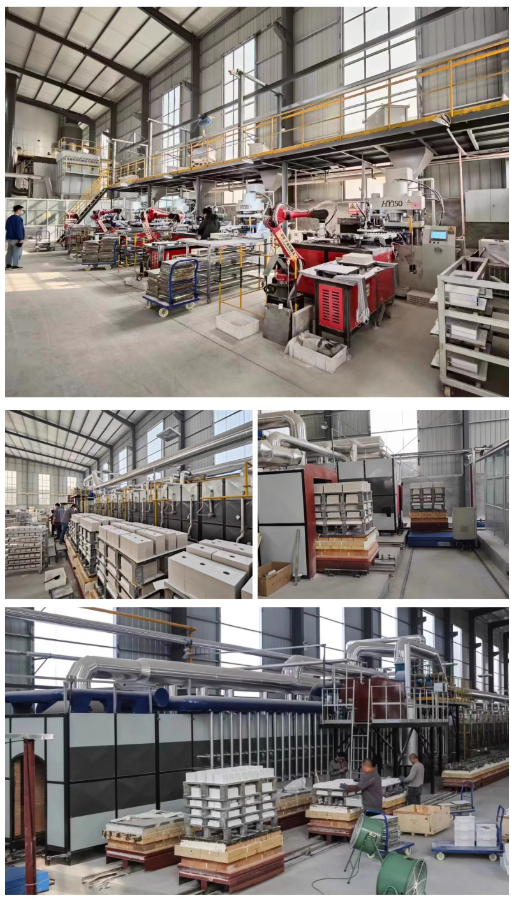
If you’ve recently invested in an alumina ceramic baking dish—or are considering one—you’re likely wondering how to get the most out of it without damaging its surface or compromising performance. Unlike standard ceramics, alumina (aluminum oxide) offers exceptional heat resistance, chemical inertness, and durability, making it ideal not just for baking but also for serving and storing food. This guide will walk you through practical steps for using, cleaning, and pairing your alumina ceramic baking dish with complementary items like alumina ceramic dinner plates, butter dishes, and serving platters.
2. Understanding Your Alumina Ceramic Baking Dish
An alumina ceramic baking dish is made from high-purity aluminum oxide fired at extremely high temperatures, resulting in a dense, non-porous, and thermally stable material. It’s often confused with regular stoneware or porcelain, but true alumina ceramic can handle temperatures exceeding 1,600°C (2,912°F)—far beyond typical home ovens. That said, even though it’s tough, it’s not indestructible. Sudden temperature changes (thermal shock) remain its biggest enemy.
You might also see related products labeled as ‘alumina baking ceramic dish,’ ‘alumina oven ceramic dish,’ or even ‘alumina baking dish Staub’—though note that Staub typically uses enameled cast iron, not pure alumina ceramic. Always check product descriptions to confirm material composition.
3. Step-by-Step Guide to Using Your Alumina Ceramic Baking Dish
3.1. Preheat Gradually
Never place a cold alumina ceramic dish directly into a hot oven. Instead, put it in while the oven is still cool and let it heat up gradually alongside the appliance. This minimizes thermal stress and prevents cracking. The same rule applies when removing it—allow it to cool on a dry, heat-resistant surface, not a cold countertop or wet towel.
3.2. Avoid Direct Flame or Broiler Overuse
While alumina ceramic dishes are oven-safe, they’re not designed for direct flame contact (like gas stovetops) unless explicitly stated by the manufacturer. Similarly, limit broiler use—intense radiant heat from above can cause uneven expansion and microfractures over time.
3.3. Use Non-Metal Utensils
To preserve the smooth glaze and prevent scratching, always use wooden, silicone, or plastic utensils. Metal tools can chip the surface, especially on unglazed edges, compromising both aesthetics and structural integrity.
4. Cleaning and Maintenance Tips
4.1. Hand Wash Preferred
Even if labeled dishwasher-safe, hand washing your alumina ceramic dish extends its lifespan. Use warm water, mild detergent, and a soft sponge. Avoid abrasive cleaners or steel wool—they can dull the finish or create micro-scratches where bacteria may hide.
4.2. Remove Stubborn Residue Safely
For baked-on food, soak the dish in warm, soapy water for 15–30 minutes before scrubbing. Baking soda paste works well for gentle abrasion without damage. Never use bleach or acidic cleaners like vinegar on unglazed alumina surfaces, as prolonged exposure may affect porosity over time.
5. Pairing with Other Alumina Ceramic Tableware
Your alumina ceramic baking dish pairs beautifully with a full suite of matching tableware. Consider complementing it with alumina ceramic dinner plates, alumina white ceramic plates, or even alumina black ceramic plates for a modern monochrome look. For holiday gatherings, alumina Christmas ceramic platters and alumina ceramic Christmas plates add festive elegance.
Don’t forget functional pieces like the alumina ceramic butter dish with lid, alumina ceramic sugar dish, or alumina salad ceramic bowl—all crafted from the same durable material. These items share the same thermal stability and non-reactive properties, making them safe for food storage and serving.
Other popular coordinating items include alumina ceramic serving bowls, alumina ceramic casserole with lid, and alumina ceramic ramekins. If you enjoy DIY crafts, alumina ceramic plates for painting offer a blank canvas that can be kiln-fired for permanent designs.
6. Common Mistakes to Avoid
- Placing a hot dish on a cold or wet surface
- Using it on induction stovetops (unless specified as compatible)
- Storing acidic foods like tomato sauce for extended periods in unglazed versions
- Ignoring manufacturer instructions regarding maximum temperature limits
7. Conclusion
Your alumina ceramic baking dish is more than just bakeware—it’s a long-term investment in healthy, efficient, and stylish cooking. By following these practical steps for use, cleaning, and pairing with other alumina ceramic plates and bowls, you’ll maximize its performance and longevity. Whether you’re roasting vegetables, baking casseroles, or serving guests on alumina ceramic serving dishes, this versatile material delivers reliability and beauty in every use.
Our Website founded on October 17, 2012, is a high-tech enterprise committed to the research and development, production, processing, sales and technical services of ceramic relative materials such as How. Our products includes but not limited to Boron Carbide Ceramic Products, Boron Nitride Ceramic Products, Silicon Carbide Ceramic Products, Silicon Nitride Ceramic Products, Zirconium Dioxide Ceramic Products, etc. If you are interested, please feel free to contact us.
RELATED POSTS
Use Alumina Ceramic Baking Dishes in High-Temperature Laboratory Applications
Alumina Ceramic Baking Dishes Are Revolutionizing High-Temperature Culinary Innovation

Alumina Ceramic Nozzles: Key Applications and Performance Advantages
How to Safely Use and Care for Your Alumina Ceramic Baking Dish: A Practical Guide
How to Use and Care for Your Alumina Ceramic Baking Dish Without Cracking or Staining?