Professional Premium Aluminum Oxide Products Supplier

1. Introduction
In the past 48 hours, a viral TikTok video showing a shattered ‘alumina baking ceramic dish’ after being placed directly from the freezer into a hot oven sparked renewed interest in proper ceramic bakeware care. Many viewers were surprised to learn that even high-quality alumina ceramic dishes require specific handling to avoid damage. If you’ve recently invested in an alumina ceramic baking dish—or are considering one—you’re not alone. These elegant, durable kitchen essentials are prized for their heat retention and non-reactive surface, but they demand a bit of know-how to use safely.
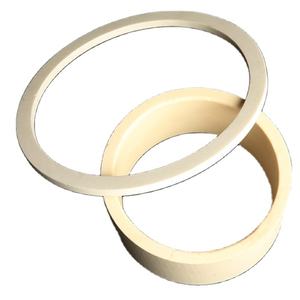
This guide walks you through everything you need to know to get the most out of your alumina ceramic baking dish, including how to prevent cracks, remove stubborn stains, and choose the right companion pieces like an alumina ceramic butter dish or alumina ceramic casserole with lid.
2. Understanding Your Alumina Ceramic Baking Dish
2.1. What Makes Alumina Ceramic Special?
Alumina (aluminum oxide) ceramic is a high-purity, non-porous material known for exceptional heat resistance—often up to 1,700°C (3,092°F) in industrial settings. In kitchenware, it’s engineered for durability, even heating, and chemical inertness. Unlike standard stoneware, an alumina ceramic dish won’t absorb flavors or odors, making it ideal for everything from casseroles to desserts.
2.2. Common Confusions: Alumina vs. Regular Ceramic
Don’t confuse your alumina ceramic baking dish with generic ceramic bakeware. True alumina ceramic dishes—like those sometimes marketed under premium lines such as ‘alumina baking dish staub’—are denser, smoother, and more thermally stable. They’re also often used in sets that include alumina ceramic serving bowls, alumina ceramic plates for dinner, and even alumina ceramic ramekins.
3. Step-by-Step: How to Use Your Alumina Ceramic Baking Dish Safely
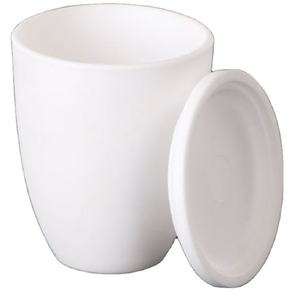
3.1. Avoid Thermal Shock
Thermal shock is the #1 cause of cracks in alumina ceramic dishes. Always preheat your oven before placing the dish inside. Never transfer it directly from the fridge or freezer to a hot oven—or vice versa.
- Allow cold dishes to reach room temperature for 15–20 minutes before baking.
- After baking, let the dish cool on a dry cloth or cooling rack—not on a cold countertop or in water.
3.2. Oven and Broiler Safety
Most alumina ceramic dishes for oven use are safe up to 500°F (260°C), but always check the manufacturer’s label. Avoid sudden temperature spikes, and never use under a direct broiler flame unless specified as broiler-safe.
4. Cleaning and Stain Removal
4.1. Daily Cleaning Tips
Alumina ceramic dishes are dishwasher-safe, but handwashing with mild soap and a soft sponge preserves their finish longer. Avoid abrasive scrubbers that can dull the glaze over time.
4.2. Removing Stubborn Stains
For baked-on cheese, tomato sauce, or oil stains:
- Soak the dish in warm water with baking soda for 30 minutes.
- For tougher stains, use a paste of baking soda and water, gently rub with a non-scratch sponge, then rinse.
Never use bleach or harsh chemicals—they can degrade the ceramic surface over time.
5. Storing and Pairing with Other Alumina Ceramic Tableware
Your alumina ceramic baking dish pairs beautifully with other high-quality pieces like alumina white ceramic plates, alumina black ceramic plates, or even themed items like alumina ceramic christmas plates. When stacking, place a soft cloth or paper towel between items to prevent chipping.
Consider complementary pieces such as:
- Alumina ceramic butter dish with lid (great for serving)
- Alumina ceramic sugar dish (ideal for tea service)
- Alumina salad ceramic bowl (perfect for side dishes)
These items share the same durability and aesthetic, creating a cohesive table setting.
6. Troubleshooting Common Problems
6.1. My Dish Cracked—What Went Wrong?
Likely causes: rapid temperature change, impact damage, or using a dish not rated for oven use. Note: some products labeled ‘alumina ceramic’ may be decorative only (e.g., alumina ceramic plates for painting). Always confirm oven safety before baking.
6.2. Why Is My Dish Discoloring?
Discoloration usually comes from mineral deposits in hard water or prolonged exposure to acidic foods. Regular soaking in vinegar-water (1:1 ratio) for 10 minutes can restore brightness.
6.3. Can I Use It on the Stovetop?
No. Alumina ceramic baking dishes are designed for oven use only—not direct stovetop heat. For stovetop-to-oven cooking, use a cast iron or enameled metal dish instead.
7. Conclusion
With proper care, your alumina ceramic baking dish can last for years while delivering even cooking and elegant presentation. Remember: avoid thermal shock, clean gently, and store carefully. Whether you’re serving from an alumina ceramic casserole, plating on alumina ceramic dinner plates, or storing butter in an alumina butter ceramic dish, consistency in care ensures longevity and beauty. Treat your alumina ceramic dishes with respect—and they’ll reward you with performance and style.
Our Website founded on October 17, 2012, is a high-tech enterprise committed to the research and development, production, processing, sales and technical services of ceramic relative materials such as How. Our products includes but not limited to Boron Carbide Ceramic Products, Boron Nitride Ceramic Products, Silicon Carbide Ceramic Products, Silicon Nitride Ceramic Products, Zirconium Dioxide Ceramic Products, etc. If you are interested, please feel free to contact us.
RELATED POSTS
10 Things You Need to Know About Alumina Ceramic Baking Dishes (Plus Surprising Uses Beyond the Kitchen)
7 Reasons Alumina Ceramic Baking Dishes Are Revolutionizing Your Kitchen (Plus 10 Unexpected Uses)
How to Safely Use and Maintain Your Alumina Ceramic Baking Dish?
Alumina Ceramic Baking Dishes in High-Temperature Laboratory Applications
Alumina Dish: The Unyielding Vanguard Powering Tomorrow’s Sustainable Tech Revolution