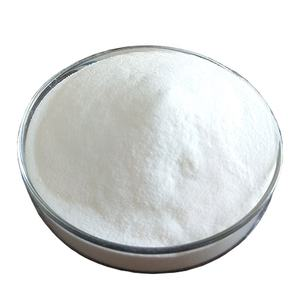
Professional Premium Aluminum Oxide Products Supplier


(More Than 92% Al2O3 High Alumina Lining Bricks For Ceramic Furnaces)
1. Why More Than 92% Al2O3 High Alumina Lining Bricks For Ceramic Furnaces Has Good Characteristics
1.1 Exceptional Thermal Resistance
High alumina bricks with more than 92% Al2O3 content exhibit exceptional thermal resistance, making them ideal for ceramic furnaces that operate at very high temperatures. The high alumina content allows these bricks to withstand temperatures exceeding 1750°C without significant deformation or structural failure. This is crucial in ceramic production, where consistent temperature control is essential for achieving the desired properties in the final product. The thermal stability also prevents cracking and spalling, extending the lifespan of the furnace lining and reducing maintenance downtime. Moreover, the high refractoriness ensures minimal heat loss, contributing to energy efficiency and lower operational costs.
1.2 Superior Chemical Inertness
The high alumina content in these bricks provides superior resistance to chemical attack, particularly from acidic or alkaline environments commonly found in ceramic furnaces. These environments can include volatile compounds and fluxes released during the firing process. The chemical inertness of the bricks prevents them from reacting with these substances, thus avoiding corrosion and erosion of the lining. This characteristic is vital for maintaining the structural integrity of the furnace over extended periods, reducing the risk of contamination of the ceramic products being fired, and ensuring consistent product quality. The longevity of the lining also minimizes the need for frequent replacements, contributing to cost savings.
1.3 High Mechanical Strength
More than 92% Al2O3 high alumina bricks possess excellent mechanical strength, enabling them to withstand the physical stresses associated with the operation of ceramic furnaces. These stresses include the weight of the furnace structure, thermal cycling, and mechanical impacts from loading and unloading materials. The high alumina content contributes to a dense, robust structure that resists deformation and cracking under these conditions. This high mechanical strength ensures the stability of the furnace lining, prevents structural failures, and maintains the furnace’s operational efficiency. It also ensures a safer working environment by reducing the likelihood of lining collapse or other related accidents.
2. What Is More Than 92% Al2O3 High Alumina Lining Bricks For Ceramic Furnaces
2.1 Composition and Material Properties
High alumina lining bricks, containing more than 92% Al2O3 (aluminum oxide), are refractory materials specifically designed for use in high-temperature industrial applications, particularly in ceramic furnaces. These bricks are composed predominantly of alumina, along with small amounts of other oxides like silica (SiO2), iron oxide (Fe2O3), and titanium dioxide (TiO2), which are carefully controlled to optimize the brick’s properties. The high alumina content imparts exceptional thermal stability, chemical inertness, and mechanical strength, making these bricks capable of withstanding the extreme conditions inside ceramic furnaces. These properties ensure that the lining can maintain its integrity and protective function over extended periods, even under harsh operating conditions.
2.2 Function in Ceramic Furnaces
In ceramic furnaces, high alumina lining bricks serve a crucial role in containing the high temperatures required for firing ceramic products. These bricks act as a thermal barrier, preventing heat loss from the furnace and maintaining a consistent temperature profile within the firing chamber. This insulation is essential for energy efficiency and for ensuring uniform heating of the ceramic ware, which is critical for achieving the desired physical and chemical properties in the final product. Furthermore, the lining protects the furnace structure from the intense heat and corrosive atmosphere, extending the lifespan of the furnace itself. The bricks’ chemical resistance prevents reactions with volatile substances released during firing, preserving the lining’s integrity.
2.3 Key Advantages Over Other Refractories
Compared to other refractory materials such as fireclay bricks or silica bricks, high alumina bricks with more than 92% Al2O3 offer several key advantages in ceramic furnace applications. Their superior refractoriness allows them to withstand higher operating temperatures without deformation, making them suitable for advanced ceramic firing processes. The enhanced chemical resistance ensures better performance in corrosive environments, reducing the risk of lining degradation. Additionally, the higher mechanical strength provides greater resistance to physical stresses, such as thermal cycling and abrasion. These combined advantages result in a longer service life, reduced maintenance costs, and improved energy efficiency compared to furnaces lined with lower-grade refractory materials. This makes high alumina bricks a cost-effective choice for demanding ceramic production environments.
3. How More Than 92% Al2O3 High Alumina Lining Bricks For Ceramic Furnaces Was Produced?
3.1 Raw Material Selection and Preparation
The production of high alumina lining bricks with more than 92% Al2O3 begins with the careful selection of raw materials. High-purity alumina, often derived from bauxite ore through the Bayer process, is the primary ingredient. The alumina must meet strict quality standards, ensuring low levels of impurities that could compromise the brick’s performance. Other additives, such as small amounts of clay or other bonding agents, may be included to improve the brick’s workability and green strength. Once selected, the raw materials undergo a preparation process that includes crushing, grinding, and sieving to achieve a uniform particle size distribution. This ensures proper mixing and compaction during subsequent stages of production, leading to a consistent and high-quality final product.
3.2 Shaping and Forming Techniques
After the raw materials are prepared, they are shaped into the desired brick form using various techniques, including pressing, casting, or extrusion. Pressing is the most common method, where the mixed materials are compacted under high pressure in a mold to create a dense, uniform brick. Casting involves pouring a slurry of the raw materials into a mold and allowing it to solidify. Extrusion is used to produce bricks with a specific profile, where the material is forced through a die. Regardless of the method, the shaping process is critical for achieving the desired dimensions, density, and structural integrity of the brick. Precise control of pressure, temperature, and mold design is essential to minimize defects and ensure consistent quality across the production batch.
3.3 Firing and Sintering Process
The final stage in the production of high alumina lining bricks is firing and sintering. The shaped bricks are placed in a high-temperature kiln and subjected to a carefully controlled heating and cooling cycle. During firing, the raw materials undergo sintering, a process where the particles bond together to form a dense, strong, and cohesive structure. Temperatures typically range from 1500°C to 1800°C, depending on the specific composition and desired properties of the brick. The firing process is crucial for developing the brick’s refractoriness, mechanical strength, and chemical resistance. The cooling cycle is also carefully managed to prevent thermal shock and cracking. The resulting high alumina bricks possess the necessary properties to withstand the harsh conditions inside ceramic furnaces, providing long-lasting and reliable performance.
4. What Are The Application Fields of More Than 92% Al2O3 High Alumina Lining Bricks For Ceramic Furnaces
4.1 Ceramic Industry
The ceramic industry is the primary application field for high alumina lining bricks containing more than 92% Al2O3. These bricks are used extensively in various types of ceramic furnaces, including tunnel kilns, shuttle kilns, and rotary kilns, which are essential for firing a wide range of ceramic products. These products include tiles, sanitary ware, tableware, and technical ceramics. The high alumina bricks provide the necessary thermal insulation and chemical resistance to withstand the high temperatures and corrosive atmospheres within these furnaces. Their durability and long lifespan ensure consistent performance, reducing downtime and maintenance costs, and contributing to the efficient production of high-quality ceramic goods. The reliable thermal stability of the lining also ensures uniform heating, which is crucial for achieving the desired properties in the finished ceramic products.
4.2 Petrochemical Industry
In the petrochemical industry, high alumina lining bricks find application in high-temperature reactors and furnaces used for various processes, such as cracking, reforming, and calcination. These processes often involve highly corrosive environments with extreme temperatures. The high alumina bricks’ exceptional chemical resistance and thermal stability make them suitable for lining these reactors and furnaces, protecting the structural integrity and ensuring process efficiency. They prevent corrosion from aggressive chemicals and withstand high-temperature fluctuations, which are common in petrochemical operations. The use of high alumina bricks in these applications helps to extend the lifespan of the equipment and reduce the risk of costly repairs and downtime, thereby improving overall operational reliability and safety.
4.3 Metallurgical Industry
The metallurgical industry utilizes high alumina lining bricks in furnaces and kilns for processes such as smelting, calcining, and heat treating of metals. These processes often involve extreme temperatures and corrosive slag or gases. The high alumina bricks’ resistance to high temperatures, abrasion, and chemical attack makes them an ideal choice for lining these furnaces. They provide excellent thermal insulation, reducing heat loss and improving energy efficiency. The bricks also protect the furnace structure from the harsh conditions within, extending its lifespan and reducing maintenance requirements. The reliable performance of high alumina bricks in metallurgical applications contributes to the efficient and cost-effective production of various metals and alloys, while ensuring operational safety and environmental compliance.
5. How To Choose A Good More Than 92% Al2O3 High Alumina Lining Bricks For Ceramic Furnaces
5.1 Evaluate Material Purity and Composition
When selecting high alumina lining bricks for ceramic furnaces, it’s essential to evaluate the material purity and composition. Ensure that the bricks contain a minimum of 92% Al2O3, as this high alumina content contributes to the desired thermal and chemical resistance. Request a detailed chemical analysis from the supplier to verify the alumina content and identify any impurities. Lower levels of impurities, such as silica, iron oxide, and alkali oxides, are generally preferred, as these can negatively impact the brick’s performance at high temperatures. A thorough evaluation of the material’s composition will help ensure that the bricks can withstand the harsh conditions within the furnace and provide long-lasting performance.
5.2 Assess Physical Properties and Mechanical Strength
Assessing the physical properties and mechanical strength of high alumina lining bricks is crucial for ensuring their suitability for ceramic furnace applications. Key properties to consider include bulk density, apparent porosity, cold crushing strength, and modulus of rupture. Higher bulk density and lower porosity generally indicate a denser, stronger brick that is more resistant to abrasion and chemical attack. High cold crushing strength and modulus of rupture values demonstrate the brick’s ability to withstand mechanical stresses and thermal cycling without cracking or deformation. Request technical data sheets from the supplier that provide detailed information on these properties. Additionally, consider the brick’s thermal expansion coefficient, as this can affect its performance under varying temperature conditions. Selecting bricks with appropriate physical properties will help maximize their lifespan and performance in the furnace.
5.3 Consider the Supplier’s Reputation and Quality Control
The supplier’s reputation and quality control processes play a significant role in the quality and reliability of high alumina lining bricks. Choose a supplier with a proven track record of producing high-quality refractory materials. Look for certifications such as ISO 9001, which indicates that the supplier has implemented a quality management system. Inquire about the supplier’s quality control procedures, including raw material testing, in-process inspections, and final product testing. Ask for references from other customers who have used the supplier’s high alumina bricks in similar applications. A reputable supplier with robust quality control measures is more likely to provide bricks that meet the specified requirements and deliver consistent performance in the ceramic furnace, reducing the risk of premature failure and costly downtime.
6. What Does People Also Ask About More Than 92% Al2O3 High Alumina Lining Bricks For Ceramic Furnaces
6.1 What is the lifespan of high alumina lining bricks in a ceramic furnace?
The lifespan of high alumina lining bricks in a ceramic furnace varies depending on several factors, including the operating temperature, the type of ceramic being fired, the furnace atmosphere, and the quality of the bricks themselves. Generally, high-quality high alumina bricks with more than 92% Al2O3 can last for several years under normal operating conditions. However, factors such as frequent thermal cycling, exposure to corrosive substances, and mechanical damage can shorten their lifespan. Regular inspections and maintenance, including patching and repairing damaged areas, can help extend the service life of the lining. Properly selecting the right type of high alumina brick for the specific furnace application is also crucial for maximizing its longevity and performance.
6.2 How do high alumina bricks compare to other refractory materials?
High alumina bricks offer several advantages over other refractory materials, such as fireclay bricks, silica bricks, and magnesia bricks, in ceramic furnace applications. Compared to fireclay bricks, high alumina bricks have higher refractoriness, meaning they can withstand higher temperatures without deformation. They also exhibit better chemical resistance, making them more suitable for corrosive environments. Compared to silica bricks, high alumina bricks have better thermal shock resistance, reducing the risk of cracking during rapid temperature changes. Compared to magnesia bricks, high alumina bricks offer a balance of high-temperature performance, chemical resistance, and cost-effectiveness for ceramic furnace linings. The specific choice of refractory material depends on the particular operating conditions and requirements of the furnace.
6.3 What are the common causes of failure in high alumina lining bricks?
Several factors can contribute to the failure of high alumina lining bricks in ceramic furnaces. Thermal shock, caused by rapid temperature changes, can lead to cracking and spalling of the bricks. Chemical attack from corrosive gases or liquids can erode the brick material over time. Mechanical damage from abrasion, impact, or excessive loading can also cause premature failure. Improper installation, such as inadequate joint filling or insufficient support, can compromise the integrity of the lining. Additionally, using bricks that are not suitable for the specific operating conditions of the furnace, such as exceeding their maximum operating temperature, can accelerate their degradation. Regular inspections, proper maintenance, and careful selection of the appropriate brick type can help prevent these common causes of failure and extend the lifespan of the lining.
Tags: Al2O3, High Alumina Bricks, Ceramic Furnaces, Refractory Materials, Furnace Lining

(More Than 92% Al2O3 High Alumina Lining Bricks For Ceramic Furnaces)
Supplier
Alumina Technology Co., Ltd focus on the research and development, production and sales of aluminum oxide powder, aluminum oxide products, aluminum oxide crucible, etc., serving the electronics, ceramics, chemical and other industries. Since its establishment in 2005, the company has been committed to providing customers with the best products and services. If you are looking for high quality Alumina Ceramic Products , please feel free to contact us. (nanotrun@yahoo.com)
RELATED POSTS
7 Essential Facts About Alumina Ceramic Baking Dishes and Their Versatile Uses
Discover the Versatility of Alumina Ceramic Baking Dishes and More
Alumina Ceramic Baking Dishes: The Ultimate Guide to High-Performance Kitchenware
Alumina Ceramic Baking Dishes: The Ultimate Guide to Performance, Safety, and Versatility
How to Safely Use and Maintain Your Alumina Ceramic Baking Dish