Professional Premium Aluminum Oxide Products Supplier

1. Introduction
When you hear ‘alumina ceramic baking dish,’ your mind probably jumps to casseroles or holiday roasts. But beyond the kitchen, this unassuming vessel plays a surprisingly vital role in advanced scientific and industrial workflows. Thanks to its composition—typically over 95% aluminum oxide (Al₂O₃)—the alumina ceramic baking dish offers unmatched heat resistance, corrosion resistance, and dimensional stability at extreme temperatures.
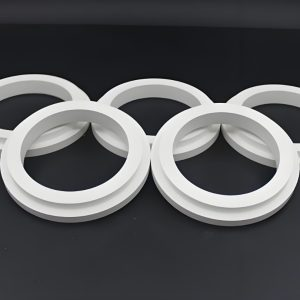
In fact, researchers and small-scale metallurgists are increasingly repurposing food-grade alumina ceramic dishes like the alumina ceramic casserole dish or alumina oven ceramic dish for tasks traditionally reserved for lab crucibles. Let’s explore why—and how—they’re doing it.
2. Why Alumina Ceramic Excels in High-Temp Environments
Alumina ceramics can withstand continuous use at temperatures up to 1,700°C (3,092°F), far exceeding standard stoneware or porcelain. This makes them perfect for applications where thermal shock or chemical reactivity would destroy conventional containers.
Key properties include:
- Exceptional thermal shock resistance
- Near-zero porosity (in high-purity grades)
- Inertness to molten metals, slags, and aggressive chemicals
- High mechanical strength even at elevated temperatures
These traits mean that an alumina ceramic baking dish isn’t just oven-safe—it’s furnace-ready.
3. Niche Application: Small-Scale Metal Melting and Alloy Testing
One of the most compelling uses is in artisanal or educational metal foundries. Hobbyists and university labs often lack access to expensive platinum or graphite crucibles. Instead, they turn to readily available alumina ceramic dishes for melting gold, silver, or low-melting-point alloys.
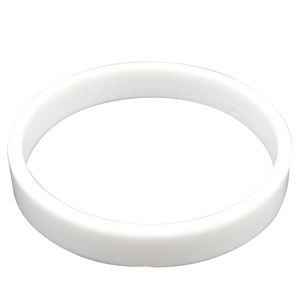
For example, an alumina ceramic casserole with lid can double as a covered melting vessel, minimizing oxidation during precious metal recovery. Similarly, an alumina ceramic butter dish with lid—though tiny—serves well for micro-alloy experiments or flux testing.
Crucially, these dishes resist wetting by molten metals, preventing contamination and simplifying cleanup. That’s why you’ll also see alumina ceramic ramekins and alumina ceramic melting dishes used in jewelry studios and materials science classrooms.
4. Glaze and Ceramic Formulation Trials
Ceramic artists and glaze chemists need reliable, non-reactive containers to test new formulations at high temperatures. Standard pottery dishes may leach impurities or crack under repeated firings.
Enter the alumina ceramic baking dish. Its purity ensures that test results reflect only the glaze—not the container. Artists use alumina ceramic plates for painting as kiln tiles, while alumina salad ceramic bowls and alumina ceramic serving bowls serve as miniature saggers or test crucibles.
Even seasonal items like alumina christmas plates ceramic or alumina ceramic christmas plates find second lives as flat substrates for glaze melt-flow tests—proving that form follows function, even in holiday decor.
5. Compatibility with Lab Infrastructure

Unlike many kitchen ceramics, high-purity alumina dishes integrate seamlessly into professional lab setups. They fit inside tube furnaces, sit stably on heating mantles, and won’t outgas contaminants.
Some researchers even modify standard items—like drilling ports into an alumina ceramic casserole dish—to create custom reaction chambers. And because alumina is non-magnetic and electrically insulating, these dishes work safely near sensitive instrumentation.
For those needing cylindrical containment, alumina ceramic tubes are common—but when geometry matters (e.g., shallow melts or surface reactions), a flat-bottomed alumina oven dish ceramic offers superior utility.
6. Practical Considerations and Sourcing
Not all ‘alumina’ kitchenware is created equal. For lab use, seek products labeled as high-purity (>95% Al₂O₃) and explicitly rated for high-temp use. Brands like Staub sometimes offer alumina baking dish staub variants, but verify material specs before repurposing.
Also note: while items like alumina white ceramic plates or alumina black ceramic plates look identical, colorants in lower-grade ceramics may compromise performance. Stick to plain, unglazed, or fully vitrified pieces.
Surprisingly, many alumina ceramic dishes for oven use—such as alumina ceramic dinner plates, alumina dinner ceramic plates, or even alumina ceramic childrens plates—are manufactured to similar standards as industrial components, making them cost-effective alternatives to custom labware.
7. Conclusion
The alumina ceramic baking dish bridges domestic convenience and industrial precision. Far from being limited to Sunday roasts, it’s a versatile tool in metallurgy, materials science, and ceramic innovation. Whether you’re melting gold in an alumina ceramic crucible bowl or testing glazes on alumina handcrafted ceramic plates, this humble dish proves that sometimes, the best lab equipment comes from the kitchen aisle.
Our Website founded on October 17, 2012, is a high-tech enterprise committed to the research and development, production, processing, sales and technical services of ceramic relative materials such as Use. Our products includes but not limited to Boron Carbide Ceramic Products, Boron Nitride Ceramic Products, Silicon Carbide Ceramic Products, Silicon Nitride Ceramic Products, Zirconium Dioxide Ceramic Products, etc. If you are interested, please feel free to contact us.
RELATED POSTS
What Is an Alumina Ceramic Baking Dish and Why Is It Gaining Popularity in Modern Kitchens?
10 Things You Need to Know About Alumina Ceramic Baking Dishes and More
Alumina Ceramic Baking Dishes: The Ultimate Kitchen Upgrade for Heat, Style, and Safety
Discover the Magic of Alumina Ceramic Baking Dishes (And Why Your Kitchen Needs One)
How to Use and Care for Your Alumina Ceramic Baking Dish: A Practical Guide
