Professional Premium Aluminum Oxide Products Supplier

1. Introduction
In the past 48 hours, a surge in online searches for ‘alumina ceramic baking dish’ has coincided with the launch of a new line of high-performance kitchenware by a European manufacturer, sparking renewed interest in technical ceramics for everyday cooking. Consumers are increasingly curious about whether these premium dishes justify their price tags—and what exactly makes alumina ceramic so special.
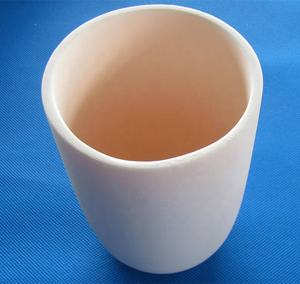
Alumina ceramic—made primarily from aluminum oxide (Al₂O₃)—isn’t just for industrial furnaces or aerospace components. It’s quietly revolutionizing home kitchens, especially in the form of durable, heat-resistant bakeware. But how does it differ from regular ceramic? And why should you consider an alumina baking ceramic dish over traditional stoneware or porcelain?
2. What Exactly Is Alumina Ceramic?
Alumina ceramic is a type of advanced technical ceramic composed of 90–99.9% aluminum oxide. Unlike earthenware or stoneware used in typical dinnerware, alumina is sintered at extremely high temperatures (often above 1600°C), resulting in a dense, non-porous, and exceptionally hard material.
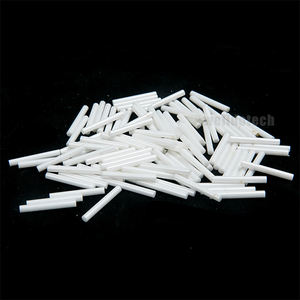
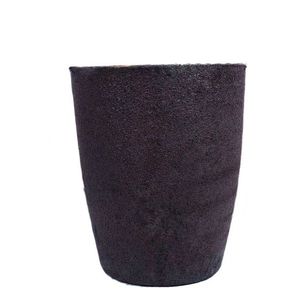
This high purity gives it outstanding thermal stability, chemical inertness, and mechanical strength—qualities that translate beautifully to kitchen use. While it’s commonly found in industrial settings (like alumina ceramic tubes or crucibles), its culinary applications are growing fast.
3. Alumina Ceramic Baking Dishes vs. Traditional Ceramics
When comparing an alumina ceramic baking dish to conventional ceramic or glass bakeware, several key differences emerge:
- Heat Resistance: Alumina can withstand temperatures exceeding 1700°C in industrial contexts, but even kitchen-grade versions handle oven temperatures up to 500°F (260°C) with ease—far beyond what standard ceramic can manage without cracking.
- Thermal Shock Resistance: Unlike glass or low-fired ceramic, alumina baking dishes won’t shatter when moved from freezer to oven. This makes them ideal for make-ahead meals.
- Non-Reactivity: Alumina doesn’t leach chemicals or absorb flavors, ensuring your casserole tastes exactly as intended—whether it’s acidic tomato sauce or delicate custard.
- Durability: These dishes resist chipping, scratching, and staining far better than typical ceramic plates or bowls.
4. Beyond Baking: The Versatile Alumina Ceramic Kitchen Line
The appeal of alumina extends well beyond the oven. Manufacturers now offer a full suite of alumina-based tableware and serving pieces, including:
- Alumina ceramic dinner plates and alumina dinner ceramic plates in both white and black finishes
- Alumina ceramic serving bowls and alumina ceramic serving platter sets for elegant presentation
- Alumina ceramic butter dish with lid and alumina sugar dish for pantry organization
- Alumina ceramic ramekins and alumina casserole ceramic dish with lid for portion control and storage
- Even seasonal items like alumina christmas plates ceramic and alumina christmas ceramic platter
Notably, some brands—like Staub—have begun incorporating alumina-enhanced ceramics into their lines, leading to products such as the ‘alumina baking dish staub,’ which blends traditional French craftsmanship with modern material science.
5. Specialized Uses: From Children’s Tableware to Art Projects
Alumina’s safety and stability make it suitable for niche applications too. For instance, alumina ceramic childrens plates are gaining traction due to their chip resistance and non-toxic composition. Meanwhile, artists favor alumina ceramic plates for painting because of their smooth, consistent surface and ability to hold glazes without warping.
Even functional items like alumina ceramic disc taps or alumina ceramic grinding disc may share the same base material—but it’s the purity, density, and firing process that determine whether the end product belongs in a lab, a factory, or your kitchen.
6. Common Misconceptions Clarified
Many confuse ‘alumina ceramic’ with generic ‘ceramic.’ But not all ceramics contain significant alumina. Standard porcelain might have 20–30% alumina, while true alumina ceramic dishes contain 90% or more—making them far more robust.
Also, despite the name, alumina ceramic is not made from aluminum metal. It’s derived from bauxite ore and processed into aluminum oxide powder before sintering—so there’s no metallic taste or reactivity.
7. Conclusion
Whether you’re eyeing an alumina ceramic casserole, a set of alumina white ceramic plates, or even an alumina oven ceramic dish for holiday roasting, you’re investing in performance, longevity, and purity. As consumer awareness grows and production scales, these once-industrial materials are becoming accessible—and desirable—for everyday cooking. If durability, safety, and thermal performance matter to you, an alumina ceramic baking dish might just be your kitchen’s next upgrade.
Our Website founded on October 17, 2012, is a high-tech enterprise committed to the research and development, production, processing, sales and technical services of ceramic relative materials such as What. Our products includes but not limited to Boron Carbide Ceramic Products, Boron Nitride Ceramic Products, Silicon Carbide Ceramic Products, Silicon Nitride Ceramic Products, Zirconium Dioxide Ceramic Products, etc. If you are interested, please feel free to contact us.
RELATED POSTS
Customizable High-Quality Al2O3 Industrial Ceramic Blocks for Unique Applications
How to Use and Care for Your Alumina Ceramic Baking Dish Without Cracking or Staining?
Alumina Ceramic Tube: Key Properties and Industrial Applications

Industrial Al2O3 Precision Ceramic Blocks: High-Temperature Wear Resistance and Extreme Hardness for Demanding Applications