Professional Premium Aluminum Oxide Products Supplier

1. Introduction
If you’ve ever wondered why some baking dishes seem to cook food more evenly or keep it hotter longer, the secret might lie in the material—specifically, alumina ceramic. An alumina ceramic baking dish isn’t just another piece of cookware; it’s a high-performance kitchen essential crafted from advanced ceramic materials known for durability, thermal stability, and aesthetic appeal.
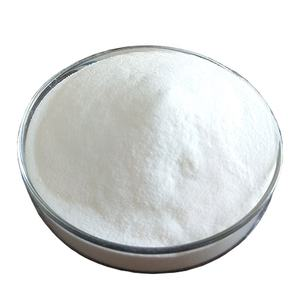
Unlike standard stoneware or porcelain, alumina ceramic contains a high percentage of aluminum oxide (Al₂O₃), which gives it exceptional resistance to thermal shock, chemical corrosion, and mechanical wear. This makes it ideal not only for baking but also for serving, storing, and even decorative purposes.
2. What Makes Alumina Ceramic Special?
Alumina ceramic is a type of technical or engineering ceramic, often used in industrial applications—but its benefits translate beautifully to the kitchen. With a melting point above 2,000°C and excellent thermal conductivity, it heats evenly and retains warmth far better than glass or metal alternatives.
This material is non-porous, meaning it won’t absorb odors, stains, or bacteria—perfect for everything from an alumina ceramic casserole dish to an alumina ceramic butter dish with lid. Plus, its smooth, glossy finish makes it easy to clean and visually striking on any dining table.
3. Common Uses in the Kitchen
The versatility of alumina ceramic extends far beyond the oven. Home cooks and professional chefs alike use a wide range of alumina-based tableware and bakeware, including:
- alumina ceramic dishes for oven (like roasting pans and pie dishes)
- alumina oven ceramic dish for slow-cooked meals
- alumina ceramic casserole with lid for one-pot dinners
- alumina ceramic ramekins for custards and soufflés
- alumina ceramic serving bowls and alumina ceramic serving platter for elegant presentation
- alumina ceramic sugar dish and alumina butter ceramic dish for tabletop organization
You’ll also find specialty items like alumina ceramic plates for dinner in various styles—alumina white ceramic plates for minimalist settings, alumina black ceramic plates for dramatic contrast, or even alumina blue white porcelain plates for a classic look.
4. Beyond Baking: Alumina Ceramic in Tableware and Decor
Alumina ceramic isn’t just functional—it’s fashionable. Designers craft everything from alumina ceramic childrens plates with playful shapes to alumina handcrafted ceramic plates for artisanal dining experiences. Seasonal collections like alumina ceramic Christmas plates and alumina christmas ceramic platter add festive charm to holiday tables.
For creative types, alumina ceramic plates for painting offer a durable, smooth canvas that holds glazes and colors beautifully. Meanwhile, alumina ceramic bowl plates and alumina ceramic plate bowls blur the line between dish and bowl, offering flexible serving options.
5. Clarifying the Confusion: Alumina vs. Other Ceramics
It’s easy to mix up terms like ‘alumina ceramic baking dish’ and ‘alumina baking ceramic dish’—but they refer to the same high-performance cookware. The key is the alumina content: the higher the percentage of aluminum oxide, the more durable and heat-resistant the item.
Note: While ‘alumina’ sounds similar to ‘aluminum,’ they’re very different. Aluminum is a soft metal; alumina (aluminum oxide) is a hard, inert ceramic. So when you see ‘alumina ceramic dishes,’ rest assured—they’re metal-free, non-reactive, and oven-safe.
6. What About Industrial Alumina Products?
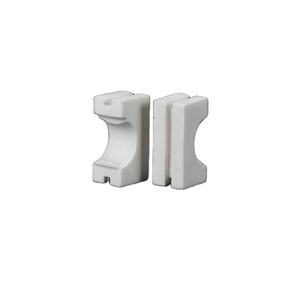
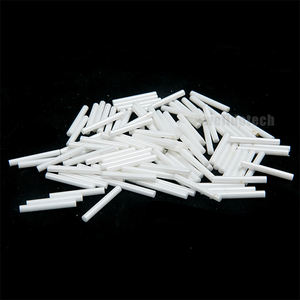
You might notice keywords like ‘alumina ceramic tubes,’ ‘alumina crucible,’ or ‘alumina bricks’ in product listings. These refer to industrial-grade alumina ceramics used in furnaces, labs, and plumbing—not kitchenware. For example, alumina ceramic tube insulators or alumina thermocouple protection tubes serve high-temperature engineering roles.
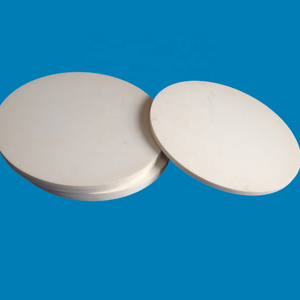
Similarly, alumina discs, grinding discs, and ceramic ball bearings are part of manufacturing and mechanical systems. While fascinating, they’re unrelated to your alumina ceramic casserole or dinner plates. Always check product descriptions to ensure you’re buying food-safe, kitchen-grade alumina ceramic items.
7. Caring for Your Alumina Ceramic Bakeware
To keep your alumina ceramic baking dish looking and performing its best, avoid sudden temperature changes (like placing a hot dish on a cold countertop). Hand-washing is recommended, though many are dishwasher-safe. Never use abrasive scrubbers that could scratch the glaze.
Store with care—though highly durable, alumina ceramic can chip if dropped on hard surfaces. Consider stacking with soft liners if you own multiple pieces like alumina ceramic plates and bowls.
8. Conclusion
An alumina ceramic baking dish combines science and style, offering unmatched performance for baking, serving, and everyday dining. Whether you’re using an alumina oven dish ceramic for lasagna, displaying appetizers on an alumina ceramic serving platter, or gifting alumina ceramic Christmas plates, you’re investing in quality that lasts. With its blend of functionality, safety, and elegance, alumina ceramic is more than cookware—it’s a culinary upgrade.
Our Website founded on October 17, 2012, is a high-tech enterprise committed to the research and development, production, processing, sales and technical services of ceramic relative materials such as What. Our products includes but not limited to Boron Carbide Ceramic Products, Boron Nitride Ceramic Products, Silicon Carbide Ceramic Products, Silicon Nitride Ceramic Products, Zirconium Dioxide Ceramic Products, etc. If you are interested, please feel free to contact us.
RELATED POSTS
Alumina Ceramic Baking Dishes Are Revolutionizing High-Temperature Laboratory Sample Preparation
High-Hardness Machinable Hot Pressed 99% Alumina Ceramic Blocks
How to Use and Care for Your Alumina Ceramic Baking Dish Without Cracking or Staining?
Alumina Ceramic Baking Dishes: A Deep Dive Into Performance, Types, and Kitchen Applications
Alumina Ceramic Baking Dishes: Precision Tools for High-Temperature Laboratory and Industrial Applications