Professional Premium Aluminum Oxide Products Supplier

1. Introduction
Just 24 hours ago, a viral TikTok video showcasing a chef using an alumina ceramic casserole dish to bake a golden-crusted sourdough bread sparked renewed interest in high-performance ceramic bakeware. Viewers were amazed by how evenly the dish distributed heat without cracking—even when moved directly from freezer to oven. This real-world demonstration highlights a growing trend: home cooks are shifting toward alumina ceramic baking dishes for their unmatched durability and thermal stability.
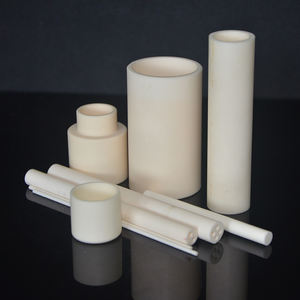
Alumina ceramic bakeware isn’t just another kitchen gadget—it’s engineered cookware with roots in industrial and aerospace applications. In this deep dive, we’ll compare different types of alumina ceramic dishes, analyze their performance in real cooking scenarios, and explain why terms like ‘alumina ceramic baking dish’ and ‘alumina oven ceramic dish’ are more than just marketing buzzwords.
2. What Is Alumina Ceramic—and Why Does It Matter in the Kitchen?
Alumina (Al₂O₃) is a refined ceramic material made from aluminum oxide. Unlike traditional earthenware or stoneware, high-purity alumina ceramics are sintered at extreme temperatures (often above 1,600°C), resulting in a dense, nonporous, and thermally stable structure.
This composition gives alumina ceramic dishes exceptional resistance to thermal shock—meaning they won’t crack when exposed to rapid temperature changes. That’s why an ‘alumina ceramic casserole with lid’ can go straight from the fridge to a 450°F oven without issue.
3. Comparing Alumina Ceramic Bakeware Types
Not all alumina ceramic dishes are created equal. Let’s break down key categories:
- Alumina ceramic baking dish vs. standard ceramic: Standard ceramic often contains impurities and glazes that degrade over time. Alumina versions are purer, stronger, and safer for repeated oven use.
- Alumina ceramic dinner plates vs. alumina white ceramic plates: Both are food-safe, but the latter emphasizes aesthetic minimalism, while ‘alumina black ceramic plates’ offer a dramatic contrast for gourmet plating.
- Alumina ceramic serving bowls and platters: These are ideal for both hot and cold foods. An ‘alumina ceramic serving platter’ retains temperature longer than glass or porcelain, keeping dishes warm during dinner parties.
- Specialty items: From ‘alumina ceramic butter dish with lid’ to ‘alumina ceramic Christmas plates’, these pieces combine function with seasonal or decorative appeal.

4. Performance in Real Cooking Scenarios
Alumina ceramic dishes excel in even heat distribution. Unlike metal pans that create hot spots, an ‘alumina oven dish ceramic’ gently conducts heat, resulting in evenly baked casseroles, roasted vegetables, and custards in ‘alumina ceramic ramekins’.
They’re also non-reactive. Acidic foods like tomato sauce won’t leach metals or alter flavor—making ‘alumina ceramic casserole dish’ a top choice for slow-cooked meals.
Moreover, these dishes are oven-, microwave-, freezer-, and dishwasher-safe. The term ‘alumina ceramic dishes for oven’ isn’t just accurate—it’s a promise of versatility.
5. Aesthetic and Functional Versatility
Beyond performance, alumina ceramics offer design flexibility. ‘Alumina handcrafted ceramic plates’ showcase artisanal textures, while ‘alumina blue white porcelain plates’ blend traditional patterns with modern durability.
For families, ‘alumina ceramic childrens plates’ provide chip-resistant, non-toxic tableware. Artists even use ‘alumina ceramic plates for painting’ as blank canvases due to their smooth, glaze-ready surfaces.
Holiday entertaining gets a boost with ‘alumina Christmas ceramic platter’ sets that transition seamlessly from oven to table—no need for last-minute transfers.
6. Common Misconceptions and Clarifications
Some confuse ‘alumina baking ceramic dish’ with aluminum cookware—but they’re worlds apart. Alumina is a ceramic oxide, not metal, and contains no aluminum in its elemental form.
Others assume all white ceramics are the same. However, only high-alumina content (typically 90%+) delivers the thermal and mechanical benefits discussed here. Always check product specs for ‘alumina ceramic dish’ purity.
And while brands like Staub are known for enameled cast iron, ‘alumina baking dish Staub’ isn’t a standard product—so verify material claims before purchasing.
7. Conclusion
Alumina ceramic bakeware represents the sweet spot between industrial-grade performance and everyday kitchen practicality. Whether you’re using an ‘alumina ceramic butter dish’, a ‘alumina salad ceramic bowl’, or a full set of ‘alumina ceramic plates and bowls’, you’re investing in cookware that’s safe, durable, and beautifully functional.
As more consumers prioritize non-toxic, long-lasting kitchen tools, alumina ceramic dishes are poised to move from niche favorite to mainstream essential.
Our Website founded on October 17, 2012, is a high-tech enterprise committed to the research and development, production, processing, sales and technical services of ceramic relative materials such as What. Our products includes but not limited to Boron Carbide Ceramic Products, Boron Nitride Ceramic Products, Silicon Carbide Ceramic Products, Silicon Nitride Ceramic Products, Zirconium Dioxide Ceramic Products, etc. If you are interested, please feel free to contact us.
RELATED POSTS
Alumina Ceramic Baking Dishes: The Ultimate Guide to High-Performance, Oven-Safe Tableware
99% Alumina Ceramic Bar: Why Are They The First Choice For High-Temperature And Corrosive Environments?

5 Common Problems and Practical Fixes for Your Alumina Ceramic Baking Dish
Alumina Ceramic Baking Dishes: The Ultimate Guide to Durability, Safety, and Versatility in the Kitchen
Discover the Magic of Alumina Ceramic Baking Dishes (And Why Your Kitchen Needs One)
