Professional Premium Aluminum Oxide Products Supplier

In the fast-paced world of advanced electronics, automotive engineering, and renewable energy, thermal management has emerged as a make-or-break factor for product performance, reliability, and lifespan. As devices become smaller, more powerful, and more compact, the need for efficient heat dissipation materials has never been greater. Among the most versatile and widely used thermal management materials are alumina (Al₂O₃) powders—specifically, spherical alumina powder and nano alumina powder. While both are derived from alumina, their distinct physical, chemical, and thermal properties make them suited for vastly different applications in heat management systems.
If you’re an engineer, product designer, or procurement professional tasked with selecting the right alumina powder for your thermal management project, understanding the key differences between spherical and nano alumina is critical. Choosing the wrong type can lead to subpar heat dissipation, increased costs, product failure, or missed performance targets. In this comprehensive guide, we’ll break down everything you need to know: their definitions, manufacturing processes, core properties, thermal performance, applications, and how to choose the right one for your specific needs. By the end, you’ll have the insights to make an informed decision that aligns with your project goals and budget.
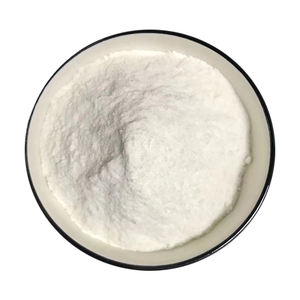
What Are Spherical and Nano Alumina Powders?
Before diving into their differences, let’s start with the basics: what exactly are spherical alumina powder and nano alumina powder, and how are they distinct from generic alumina powders?
Spherical Alumina Powder: The “Workhorse” of Thermal Fillers
Spherical alumina powder is a high-purity alumina material with a perfectly spherical particle shape, typically ranging in size from 1 micron to 100 microns (μm). Unlike irregularly shaped alumina powders (such as angular or flaky alumina), its spherical morphology is engineered to optimize flowability, packing density, and thermal conductivity—key attributes for thermal management applications. Spherical alumina is primarily composed of α-Al₂O₃, the most stable and thermally conductive (crystal form) of alumina, with a purity level often exceeding 99.5% and even up to 99.9% in high-performance grades.
The spherical shape is no accident: it’s achieved through specialized manufacturing processes that melt and reshape alumina particles, ensuring uniformity and consistency across every particle. This engineering makes spherical alumina a preferred choice for applications where high filling rates, low viscosity, and reliable thermal conduction are essential—such as thermal interface materials (TIMs), heat-dissipating plastics, and electronic packaging.
Nano Alumina Powder: The “Precision Player” for Advanced Thermal Solutions
Nano alumina powder, as the name suggests, refers to alumina particles with a nanoscale size, typically ranging from 1 nanometer (nm) to 100 nm. To put this in perspective, a single nano alumina particle is 1,000 times smaller than a micron-sized spherical alumina particle. Nano alumina can exist in various crystal forms, including α-Al₂O₃, γ-Al₂O₃, and θ-Al₂O₃, with γ-Al₂O₃ being the most common due to its high surface area and reactivity. Its purity is also high, often above 99%, with ultra-high-purity grades reaching 99.99% for specialized applications.
The nanoscale size gives nano alumina unique properties that micron-sized powders (including spherical alumina) simply don’t possess—such as an extremely high specific surface area (often exceeding 100 m²/g), enhanced reactivity, and the ability to penetrate tiny gaps and interfaces. These properties make nano alumina ideal for applications where precision, surface modification, and ultra-thin thermal layers are required—such as advanced TIMs, battery thermal management, and microelectronic devices.
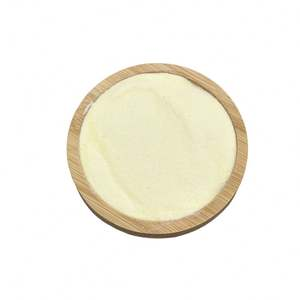
Core Manufacturing Processes: Why Shape and Size Matter
The fundamental differences between spherical and nano alumina powders begin with their manufacturing processes. Each process is tailored to produce particles with specific sizes, shapes, and properties—directly impacting their performance in thermal management.
How Spherical Alumina Powder Is Made
Spherical alumina is produced using high-temperature melting and spheroidization processes, which transform irregular alumina particles into perfectly spherical shapes. The most common methods include:
- Plasma Spheroidization: This is the most widely used method for high-quality spherical alumina. Irregular alumina particles are fed into a high-temperature plasma flame (reaching 5,000–10,000°C), where they melt completely. The molten particles then cool rapidly as they exit the flame, forming spherical shapes due to surface tension. This process ensures high sphericity (often ≥95%), low impurity content, and uniform particle size distribution.
- Flame Spraying: Similar to plasma spheroidization, but uses a fuel-oxygen flame to melt alumina particles. This method is more cost-effective for large-scale production but may result in slightly lower sphericity (90–95%) compared to plasma spheroidization.
- Sol-Gel Spheroidization: A more precise method for producing smaller spherical alumina particles (1–10 μm). Alumina precursors are dissolved in a solvent to form a sol, which is then atomized into droplets. These droplets are dried and calcined to form spherical alumina particles with high purity and uniform size.
The key goal of these processes is to create spherical particles that flow easily, pack tightly, and conduct heat efficiently—critical for thermal fillers in composite materials.
How Nano Alumina Powder Is Made
Nano alumina is manufactured using processes that focus on producing ultra-small particles with high surface area and reactivity. Common methods include:
- Sol-Gel Method: The most common method for nano alumina production. Alumina precursors (such as aluminum alkoxides) are hydrolyzed and condensed to form a gel, which is then dried and calcined to produce nano-sized particles. This method allows for precise control of particle size, crystal form, and surface properties.
- Hydrothermal Synthesis: Involves heating alumina precursors in a high-pressure, high-temperature aqueous environment. This process produces nano alumina particles with high crystallinity and uniform size, making it ideal for applications requiring high purity and stability.
- Chemical Vapor Deposition (CVD): A gas-phase process where alumina precursors are decomposed at high temperatures to form nano alumina particles. This method produces ultra-pure, uniform nano particles but is more expensive, making it suitable for high-end applications like microelectronics.
- Mechanical Milling: A physical method where bulk alumina is ground into nano-sized particles using high-energy mills. While cost-effective, this method can result in irregular particle shapes and surface defects, which may reduce thermal performance.
The manufacturing process for nano alumina prioritizes small particle size and high surface area, rather than shape—unlike spherical alumina, which focuses on spherical morphology and larger particle sizes.
Key Differences: Spherical vs. Nano Alumina Powder (Table)
To simplify the comparison, here’s a detailed table highlighting the core differences between spherical and nano alumina powders, with a focus on thermal management-related properties:
| Property | Spherical Alumina Powder | Nano Alumina Powder |
|---|---|---|
| Particle Size | 1–100 μm (micron-scale); most common grades are 5–50 μm | 1–100 nm (nanoscale); most common grades are 10–50 nm |
| Particle Shape | Perfectly spherical (sphericity ≥95% for high-grade products) | Irregular (often spherical or near-spherical, but not engineered for sphericity) |
| Crystal Form | Primarily α-Al₂O₃ (most stable, highest thermal conductivity) | Mostly γ-Al₂O₃ (high surface area); α-Al₂O₃ available in high-temperature grades |
| Specific Surface Area (SSA) | Low (1–10 m²/g); higher grades may reach 15 m²/g | Extremely high (50–200 m²/g); some grades exceed 300 m²/g |
| Thermal Conductivity | High (20–40 W/m·K); high-purity α-Al₂O₃ grades up to 200 W/m·K | Lower (10–30 W/m·K) due to high surface area and grain boundary scattering |
| Flowability | Excellent (spherical shape reduces friction between particles) | Poor (nanoparticles tend to agglomerate due to van der Waals forces) |
| Packing Density | High (60–75% packing efficiency); ideal for high-filler applications | Low (30–50% packing efficiency); agglomeration reduces packing density |
| Viscosity (when mixed with polymers) | Low (spherical shape minimizes friction; high filler loadings without high viscosity) | High (agglomeration increases viscosity; low filler loadings required) |
| Reactivity | Low (stable α-Al₂O₃ crystal form; minimal surface reactivity) | High (high surface area; reactive surface groups; prone to oxidation) |
| Cost | Moderate ($5–$20 per kg for standard grades; $20–$50 per kg for high-purity) | High ($50–$200 per kg for standard grades; $200+ per kg for ultra-pure) |
| Key Thermal Management Strengths | High thermal conductivity, excellent flowability, high packing density, cost-effective for large-scale applications | Precision heat transfer, surface modification, ultra-thin layers, enhanced interfacial adhesion |
Thermal Performance: How They Stack Up in Heat Dissipation
When it comes to thermal management, the ultimate goal is to transfer heat efficiently from a heat source (e.g., a CPU, LED, or battery cell) to a heat sink or the environment. The thermal performance of alumina powders depends on their thermal conductivity, packing density, and ability to integrate with other materials (such as polymers, metals, or ceramics). Let’s break down how spherical and nano alumina perform in these critical areas.
Thermal Conductivity: Spherical Alumina Takes the Lead
Thermal conductivity (measured in W/m·K) is the most important property for thermal management materials—it quantifies how well a material conducts heat. Spherical alumina, which is primarily composed of α-Al₂O₃, has a significantly higher thermal conductivity (20–40 W/m·K) compared to nano alumina (10–30 W/m·K). High-purity spherical alumina grades can even reach up to 200 W/m·K, making them ideal for applications requiring high heat transfer rates.
Why the difference? Nano alumina’s high surface area creates more grain boundaries between particles, which scatter heat-carrying phonons (the primary mechanism of heat transfer in ceramics). This scattering reduces thermal conductivity, even though nano particles are smaller. Spherical alumina, on the other hand, has larger, more uniform particles with fewer grain boundaries, allowing phonons to travel more freely and transfer heat more efficiently.
Packing Density and Viscosity: Spherical Alumina Is More Versatile
In thermal management applications, alumina powders are often mixed with polymers (such as epoxy, silicone, or plastic) to create composite materials (e.g., thermal greases, heat-dissipating plastics, or TIMs). The packing density of the powder directly impacts the thermal conductivity of the composite: higher packing density means more alumina particles (the heat conductors) and fewer air gaps (which are poor heat conductors).
Spherical alumina’s spherical shape allows it to pack tightly (60–75% packing efficiency) without increasing the viscosity of the composite. This means you can add high loadings of spherical alumina (up to 80% by weight) to polymers without making the material too thick or difficult to process. This is a huge advantage for applications like thermal greases and heat-dissipating plastics, where high filler loadings are needed for maximum thermal conductivity.
Nano alumina, by contrast, has low packing density (30–50%) due to agglomeration—nanoparticles clump together, creating air gaps and reducing the number of heat-conducting paths. Additionally, even small amounts of nano alumina (5–10% by weight) can significantly increase the viscosity of the composite, making it difficult to process. This limits its use in high-filler applications and makes it more suitable for thin films or surface coatings.
Interfacial Heat Transfer: Nano Alumina Shines in Precision Applications
While spherical alumina excels at bulk heat transfer, nano alumina has an advantage in interfacial heat transfer—transferring heat across the boundary between two materials (e.g., a CPU and a heat sink). Nano alumina’s small size allows it to fill tiny gaps and irregularities on surfaces, creating a tighter thermal interface with minimal air gaps. Its high surface area also enhances adhesion to other materials, improving heat transfer across the interface.
For example, in ultra-thin thermal interface materials (≤100 μm) for microelectronics, nano alumina can be mixed with silicone to create a thin, flexible film that conforms to the surface of tiny components. This ensures efficient heat transfer from the component to the heat sink, even in tight spaces. Spherical alumina, with its larger particle size, cannot fill these tiny gaps as effectively, making it less suitable for ultra-thin TIMs.
Applications: Where to Use Spherical vs. Nano Alumina Powder
The distinct properties of spherical and nano alumina powders make them suited for different thermal management applications. Understanding their ideal use cases will help you select the right powder for your project.
Ideal Applications for Spherical Alumina Powder
Spherical alumina is the go-to choice for applications where high thermal conductivity, high filler loadings, and cost-effectiveness are priority. Common uses include:
- Thermal Interface Materials (TIMs): Spherical alumina is widely used in thermal greases, thermal pastes, and thermal pads for electronics. Its high thermal conductivity and low viscosity allow for high filler loadings, making it ideal for cooling CPUs, GPUs, LEDs, and power electronics. For example, thermal greases containing 70–80% spherical alumina have thermal conductivities of 3–5 W/m·K, which is significantly higher than greases with irregular alumina powders.
- Heat-Dissipating Plastics: Mixed with engineering plastics (such as PC, ABS, or PBT), spherical alumina creates lightweight, heat-dissipating plastics used in electronic enclosures, LED housings, and automotive components. These plastics have thermal conductivities of 1–5 W/m·K (compared to 0.2–0.5 W/m·K for standard plastics) and retain the mechanical properties of the base plastic. Spherical alumina’s low viscosity also makes it easy to process via injection molding or extrusion.
- Electronic Packaging: Spherical alumina is used as a filler in epoxy resins for electronic packaging (e.g., chip encapsulation, printed circuit boards). Its high thermal conductivity helps dissipate heat from integrated circuits, while its electrical insulation properties prevent short circuits. High-purity spherical alumina (≥99.9%) is also used in high-frequency PCBs, where low impurity content is critical for signal integrity.
- Automotive Thermal Management: In electric vehicles (EVs), spherical alumina is used in battery thermal management systems (BTMS) and power electronics cooling. It is mixed with silicone or epoxy to create thermal pads and potting compounds that dissipate heat from battery cells and inverters. Its high temperature stability (up to 1,700°C) also makes it suitable for under-the-hood applications in internal combustion engines.
Ideal Applications for Nano Alumina Powder
Nano alumina is best suited for advanced, high-precision applications where interfacial heat transfer, surface modification, and ultra-thin layers are required. Common uses include:
- Advanced Thermal Interface Materials (TIMs): Nano alumina is used in ultra-thin TIMs (≤100 μm) for microelectronics, such as smartphones, tablets, and wearables. Its small size allows it to fill tiny gaps between components, while its high surface area enhances adhesion to surfaces. For example, nano alumina-based thermal films have thermal conductivities of 2–4 W/m·K in thin layers, making them ideal for cooling small, compact devices.
- Battery Thermal Management (BTMS): In lithium-ion batteries (especially EV batteries), nano alumina is used as a coating on battery electrodes or separators. Its high thermal stability and electrical insulation properties help prevent thermal runaway (a major safety concern in EVs) by dissipating heat from individual battery cells and preventing short circuits. Nano alumina also stabilizes the solid electrolyte interface (SEI) layer, prolonging battery lifespan.
- Microelectronic and Semiconductor Cooling: Nano alumina is used in the cooling of microchips and semiconductors, where space is extremely limited. It can be deposited as a thin film (10–50 nm) on the surface of chips to enhance heat dissipation, or mixed with polymers to create flexible, conformable TIMs for 3D packaging and stacked chips.
- Surface Coatings: Nano alumina is used in thermal barrier coatings (TBCs) for high-temperature applications, such as gas turbines and aerospace components. Its high surface area and reactivity allow it to form a dense, uniform coating that resists heat and corrosion. Nano alumina-based TBCs have better thermal insulation properties than conventional coatings, reducing heat transfer to underlying components and extending their lifespan.

Cost Considerations: Balancing Performance and Budget
Cost is a critical factor in any thermal management project, and the price difference between spherical and nano alumina powders is significant. Spherical alumina is much more cost-effective, with standard grades ranging from $5–$20 per kg, while high-purity grades (≥99.9%) cost $20–$50 per kg. Nano alumina, by contrast, is far more expensive, with standard grades ranging from $50–$200 per kg and ultra-pure grades costing $200+ per kg.
The higher cost of nano alumina is due to its complex manufacturing process, which requires precise control of particle size and purity. Additionally, nano alumina’s poor flowability and agglomeration issues often require additional processing (such as surface modification with dispersants) to improve its performance, adding to the overall cost.
For most industrial applications (e.g., thermal greases, heat-dissipating plastics, electronic packaging), spherical alumina offers the best balance of performance and cost. Nano alumina is only justified for high-end applications where its unique properties (e.g., ultra-thin layers, interfacial heat transfer) are critical—such as microelectronics, EV batteries, and aerospace components.
Spherical vs. Nano Alumina—No “One-Size-Fits-All” Solution
Spherical and nano alumina powders are both valuable tools in thermal management, but they are not interchangeable. Spherical alumina is the workhorse: cost-effective, high-performance, and versatile, ideal for bulk heat transfer applications like thermal greases, heat-dissipating plastics, and electronic packaging. Nano alumina is the precision player: expensive but uniquely suited for advanced applications requiring ultra-thin layers, interfacial heat transfer, and surface modification—such as microelectronics, EV batteries, and aerospace components.
By understanding their key differences—particle size, shape, thermal conductivity, packing density, and cost—you can select the right alumina powder for your project, ensuring optimal heat dissipation, performance, and cost-effectiveness. Whether you’re designing a new electronic device, an EV battery system, or a high-temperature industrial component, choosing the right alumina powder is the first step toward effective thermal management.
Supplier
Cabr-Concrete is a supplier under TRUNNANO of Alumina Powder with over 12 years of experience in nano-building energy conservation and nanotechnology development. It accepts payment via Credit Card, T/T, West Union and Paypal. TRUNNANO will ship the goods to customers overseas through FedEx, DHL, by air, or by sea. If you are looking for Alumina Powder, please feel free to contact us and send an inquiry.