Professional Premium Aluminum Oxide Products Supplier


PRODUCT PARAMETERS
Description
Overview of 17-19% Inert Porcelain Ball Alumina Ceramic Ball As Catalyst Bed Support Media for Catalyst Reactor Plant
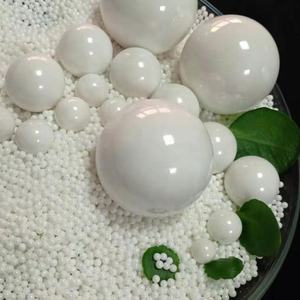
Alumina balls are high-purity ceramic grinding media known for their exceptional hardness, wear resistance, and thermal stability. Ideal for industrial applications like milling, catalysis, and wear-resistant components.
Features of 17-19% Inert Porcelain Ball Alumina Ceramic Ball As Catalyst Bed Support Media for Catalyst Reactor Plant
High mechanical strength & durability
Excellent chemical & thermal stability
Superior wear & corrosion resistance
Available in various sizes & purity grades
Low contamination for precision processes

(17-19% Inert Porcelain Ball Alumina Ceramic Ball As Catalyst Bed Support Media for Catalyst Reactor Plant)
Specification of 17-19% Inert Porcelain Ball Alumina Ceramic Ball As Catalyst Bed Support Media for Catalyst Reactor Plant
These inert porcelain balls provide crucial support in catalyst reactor plants. They are ceramic balls made from 17-19% alumina material. This specific alumina content is key. It gives the balls excellent strength and chemical resistance. They handle the harsh conditions inside reactors well. Their main job is to hold up the catalyst bed. They sit beneath the catalyst pellets or particles. They stop these valuable catalysts from falling through the reactor grid. They also help spread out gases or liquids evenly across the whole catalyst bed. This even flow is vital for good chemical reactions.
The balls come in different sizes. Common sizes are 3mm, 6mm, 12mm, 20mm, 25mm, and 50mm diameter. You choose the size based on your reactor design and catalyst size. The size needs to be just right. It must support the catalyst without blocking flow. The balls are very hard and dense. They withstand high pressure from above. They don’t crush easily. This prevents the catalyst bed from packing down too tight. Good bed fluidity matters for reactor performance. These balls also trap fine catalyst particles. They prevent “catalyst fines” from clogging pipes or damaging equipment downstream. Their smooth surface reduces friction. This helps gases and liquids move through the bed smoothly. They resist thermal shock too. Temperature changes inside the reactor won’t crack them. They last a long time, reducing plant downtime and maintenance costs. Using them ensures stable reactor operation and protects your catalyst investment.

(17-19% Inert Porcelain Ball Alumina Ceramic Ball As Catalyst Bed Support Media for Catalyst Reactor Plant)
Applications of 17-19% Inert Porcelain Ball Alumina Ceramic Ball As Catalyst Bed Support Media for Catalyst Reactor Plant
These 17-19% inert porcelain alumina ceramic balls are essential for catalyst beds in reactor plants. They sit under the main catalyst layer. They provide strong, reliable support. They stop the valuable catalyst pellets from falling through the reactor grid. This keeps the catalyst where it belongs.
The balls also help gases or liquids flow evenly. They spread the flow across the entire catalyst bed. This prevents uneven channels from forming. Even flow is critical for good chemical reactions. It ensures the catalyst works efficiently.
These balls protect the catalyst too. They take the impact when new catalyst is loaded. They handle the stress during operation. This reduces catalyst breakage. Less broken catalyst means less pressure drop. It also means less chance of plugging the reactor.
Made from tough alumina ceramic, these balls last a long time. They resist high temperatures inside reactors. They handle high pressure well. They are chemically inert. They won’t react with process chemicals. This inertness keeps the reactions pure.
Compared to other materials, these ceramic balls are very durable. They don’t wear down quickly. They don’t crush easily. This means plants need to replace them less often. Using them cuts down on maintenance costs. It reduces unexpected shutdowns. This saves money over time. Plants get more consistent operation.

Company Profile
Alumina Technology Co., Ltd,. We focus on the research and development, production and sales of alumina products, serving the electronics, ceramics, chemical and other industries. Since its establishment in 2005, the company has been committed to providing customers with the best products and services, and has become a leader in the industry through continuous technological innovation and strict quality management.
Our products includes but not limited to Alumina Boat, Alumina Crucible, Alumina Dish, Alumina Foam Filter, Alumina Plate, Alumina Rod, Alumina Bar, Alumina Balls, Filter Alumina, Nano Alumina Powder, Spherical Alumina Powder, ect. please feel free to contact us.(nanotrun@yahoo.com)

Payment Methods
T/T, Western Union, Paypal, Credit Card etc.
Shipment Methods
By air, by sea, by express, as customers request.
5 FAQs of 17-19% Inert Porcelain Ball Alumina Ceramic Ball As Catalyst Bed Support Media for Catalyst Reactor Plant
Here are 5 FAQs about 17-19% Inert Porcelain Ball Alumina Ceramic Ball for Catalyst Bed Support:
What do these alumina ceramic balls do?
These balls sit at the bottom of the catalyst reactor. They hold up the main catalyst pellets. They stop the small catalyst pieces from falling through the reactor grid. They help spread the gas or liquid evenly over the catalyst bed. This keeps the reactor working right.
Why is 17-19% porosity important?
This porosity level means the balls have tiny holes inside. These holes let gas or liquid pass through the ball layer easily. Too little porosity blocks flow. Too much porosity makes the balls weak. 17-19% is the best balance. It gives strong flow and keeps the balls tough enough for the reactor.
Why use alumina ceramic instead of something cheaper?
Alumina ceramic is very hard. It handles high heat and high pressure inside reactors well. Cheap materials like regular clay balls break down faster. They create dust and contaminate the catalyst. Alumina balls last much longer. They save money over time by not needing frequent replacement.
How do I pick the right size ball?
Ball size depends on your reactor grid openings and your catalyst pellet size. The balls must be bigger than the grid holes. They must also be bigger than the catalyst pellets. This stops everything falling through. Common sizes are 6mm, 10mm, 13mm, or 20mm. Measure your grid and catalyst first. Then choose the right ball size.
Do these balls need special care when loading?
Yes. Load them carefully into the reactor. Pour them gently. Avoid dropping them from high up. Dropping can chip or crack the balls. Damaged balls create dust. Dust is bad for the catalyst. Check the ball layer is flat and level after loading. A level bed makes sure the flow stays even.

(17-19% Inert Porcelain Ball Alumina Ceramic Ball As Catalyst Bed Support Media for Catalyst Reactor Plant)
REQUEST A QUOTE
RELATED PRODUCTS
92%~99% Refractory Material Alumina Ceramic Ball

High Alumina Ceramic Balls 99% Al2O3 3mm-50mm Sizes Industrial Ceramic Applications Welding Cutting Bending Processing Services
3mm 6mm 20mm 17% 25% 30% 40% 75% 90% Al2O3 Inert Alumina Ceramic Ball High Aluminum Ceramic Ball As Catalyst Support Media
Inert Alumina Ceramic Balls Catalyst Support Media

92% Alumina Ceramic Balls Al2o3 3.73 Density Rolling Alumina Ball High Quality High Precision High Alumina