Professional Premium Aluminum Oxide Products Supplier


PRODUCT PARAMETERS
Description
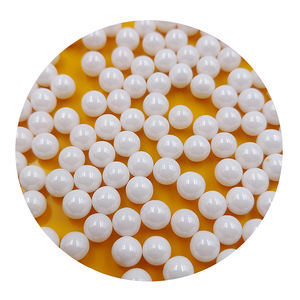
Overview of Alumina Ceramic Packing Ball Porcelain Ball for Support Media 9Mohs 3mm 6mm 10mm 13mm
Alumina balls are high-purity ceramic grinding media known for their exceptional hardness, wear resistance, and thermal stability. Ideal for industrial applications like milling, catalysis, and wear-resistant components.
Features of Alumina Ceramic Packing Ball Porcelain Ball for Support Media 9Mohs 3mm 6mm 10mm 13mm
High mechanical strength & durability
Excellent chemical & thermal stability
Superior wear & corrosion resistance
Available in various sizes & purity grades
Low contamination for precision processes

(Alumina Ceramic Packing Ball Porcelain Ball for Support Media 9Mohs 3mm 6mm 10mm 13mm)
Specification of Alumina Ceramic Packing Ball Porcelain Ball for Support Media 9Mohs 3mm 6mm 10mm 13mm
These alumina ceramic packing balls act as support media in industrial towers and reactors. They’re tough. They hold up catalyst particles or other packing materials. This keeps things working right. Their hardness measures 9 on the Mohs scale. That’s very hard. They resist scratching and wear extremely well. You won’t need to replace them often. This saves money over time.
Chemical resistance is another big plus. These porcelain balls handle acids, alkalis, and solvents without breaking down. They work in harsh settings. Temperature changes don’t bother them much either. They manage high heat and sudden shifts. This reliability matters in demanding processes.
We offer several sizes: 3mm, 6mm, 10mm, and 13mm diameters. The size you pick depends on your specific tower or reactor setup. Smaller balls like 3mm or 6mm provide a finer support layer. They stop smaller catalyst particles from falling through. Larger balls, like 10mm or 13mm, are often used for initial support layers. They create a stable base for other materials.
People use these balls widely. You find them in chemical plants, oil refineries, and environmental scrubbers. They support catalyst in reactors. They act as column support in distillation units. They prevent bed compaction in absorption towers. Their main job is always the same: keep the active media evenly spread. This ensures good flow and contact. Efficiency improves. Pressure drops stay manageable.
These balls last. Their hardness and chemical resistance mean they don’t degrade quickly. They protect valuable catalysts underneath. Using them leads to fewer shutdowns for maintenance. Your operation runs smoother. Consistent performance is the result.

(Alumina Ceramic Packing Ball Porcelain Ball for Support Media 9Mohs 3mm 6mm 10mm 13mm)
Applications of Alumina Ceramic Packing Ball Porcelain Ball for Support Media 9Mohs 3mm 6mm 10mm 13mm
Alumina ceramic packing balls are tough support media. They are made from high purity aluminum oxide. Their hardness measures 9 on the Mohs scale. This makes them very resistant to wear and scratching. They handle high temperatures easily. They resist chemical attack well too. These balls are perfect for demanding industrial settings.
You find them widely used in chemical processing. They support catalyst beds inside reactors. The catalyst pellets sit on top of them. The balls let liquids and gases flow freely past. They prevent the smaller catalyst particles from clogging the bottom. They work well in absorption towers. You’ll find them in scrubbers and stripper columns. They provide even support across the tower cross-section.
Refineries rely on these porcelain balls. They use them in trickle bed reactors. They use them in hydrotreating units. The balls protect sensitive catalyst layers below. Oil and gas processing needs robust materials. Alumina ceramic balls deliver. They withstand corrosive fluids. They tolerate high pressure conditions.
These balls are vital in petrochemical plants. They are essential in fertilizer production. Water treatment facilities use them effectively. They act as inert filler media. They act as support layers. They keep active filter materials in place. Their smooth surface minimizes friction loss. It helps maintain good fluid dynamics.
Available sizes include 3mm, 6mm, 10mm, and 13mm diameters. The size choice depends on the specific application. Smaller balls provide finer support. They prevent smaller media from falling through. Larger balls handle higher flow rates. They reduce pressure drop in large vessels. Engineers select the size matching the support layer depth needed. They consider the size of the media above. They consider the required flow characteristics. These versatile balls ensure process efficiency. They ensure long-term reliability. They are a fundamental component in many industrial systems.

Company Profile
Alumina Technology Co., Ltd,. We focus on the research and development, production and sales of alumina products, serving the electronics, ceramics, chemical and other industries. Since its establishment in 2005, the company has been committed to providing customers with the best products and services, and has become a leader in the industry through continuous technological innovation and strict quality management.
Our products includes but not limited to Alumina Boat, Alumina Crucible, Alumina Dish, Alumina Foam Filter, Alumina Plate, Alumina Rod, Alumina Bar, Alumina Balls, Filter Alumina, Nano Alumina Powder, Spherical Alumina Powder, ect. please feel free to contact us.(nanotrun@yahoo.com)

Payment Methods
T/T, Western Union, Paypal, Credit Card etc.
Shipment Methods
By air, by sea, by express, as customers request.
5 FAQs of Alumina Ceramic Packing Ball Porcelain Ball for Support Media 9Mohs 3mm 6mm 10mm 13mm
What exactly are alumina ceramic packing balls?
These small balls are support media. They sit at the bottom of towers or reactors. They hold up the main catalyst or resin bed above them. Their job is creating a stable base layer. This lets liquids and gases flow evenly upwards through the tower. They prevent smaller active media from clogging the bottom.
Why is the 9 Mohs hardness important?
Hardness matters. Softer media wears down faster. Alumina balls are incredibly hard. They resist crushing under heavy catalyst loads. They don’t break easily from pressure or impact during loading. This hardness means they last much longer. You won’t need to replace them often. They maintain their shape and support job over time.
What size ball should I pick – 3mm, 6mm, 10mm, or 13mm?
Choose based on your tower’s internals. Think about the hole size in your support grid or plate. The balls must be larger than these holes. They cannot fall through. Consider the size of your main catalyst or resin too. The balls need to support it effectively. Common choices are 6mm, 10mm, or 13mm. Use 3mm for very fine catalysts or specific needs. Check your equipment specs first.
Why pick alumina ceramic over steel or plastic balls?
Alumina ceramic offers key benefits. It handles extreme heat very well. Plastic balls melt. Steel balls can corrode or react chemically. Alumina is chemically inert. It won’t react with most process chemicals. It lasts longer than plastic. It handles heat better than steel. It provides excellent, stable support. It’s a reliable, durable choice for tough conditions.
Any special handling needed for these balls?
Handle them with normal care. They are hard but can chip if dropped hard onto concrete. Wear gloves when loading them. This protects your hands. Avoid breathing ceramic dust during pouring. Use standard dust masks if needed. Store them in dry bags or boxes. They are ready for use straight from the packaging.

(Alumina Ceramic Packing Ball Porcelain Ball for Support Media 9Mohs 3mm 6mm 10mm 13mm)
REQUEST A QUOTE
RELATED PRODUCTS
Best ing Milling Oil Ceramic Abrasive Material Alumina Ceramic Grinding Ball
Refractory 68% 75% 80% 92% Inert Al2O3 Grinding Polishing High Alumina Ceramic Ball for Ball Mill
High Strength Corundum Alumina Ceramic Ball 1-5mm Used Furnace Refractory Balls For Industry Kiln Made MGO Alumina Cement SIO2
92% Al2O3 Wear Resistant Alumina Ceramic Ball for Grinding Media

Ball Mill Used 92% High Alumina Ceramic Ball For Material Grinding