Professional Premium Aluminum Oxide Products Supplier

PRODUCT PARAMETERS
Description
Overview of Alumina Ceramic Tiles Encased Ceramic Ball Mill for Grinding Feldspar Quartz Glass Refractory Materials
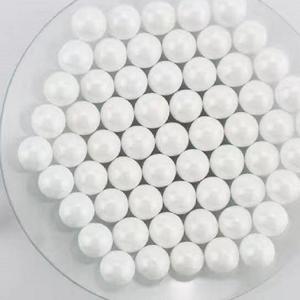
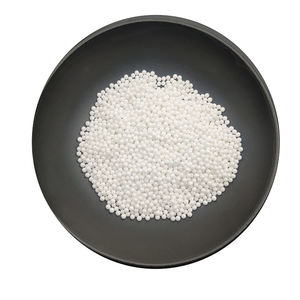
Alumina balls are high-purity ceramic grinding media known for their exceptional hardness, wear resistance, and thermal stability. Ideal for industrial applications like milling, catalysis, and wear-resistant components.
Features of Alumina Ceramic Tiles Encased Ceramic Ball Mill for Grinding Feldspar Quartz Glass Refractory Materials
High mechanical strength & durability
Excellent chemical & thermal stability
Superior wear & corrosion resistance
Available in various sizes & purity grades
Low contamination for precision processes

(Alumina Ceramic Tiles Encased Ceramic Ball Mill for Grinding Feldspar Quartz Glass Refractory Materials)
Specification of Alumina Ceramic Tiles Encased Ceramic Ball Mill for Grinding Feldspar Quartz Glass Refractory Materials
Alumina ceramic tiles encased ceramic ball mills handle tough grinding jobs. They grind materials like feldspar, quartz, glass, and various refractory substances. These mills are built for demanding industrial use. The key feature is the lining. High-alumina ceramic tiles cover the inner surfaces. This protects the mill shell from wear. It also prevents contamination. Ground material stays pure. Metal contamination is eliminated. The grinding media are also ceramic balls. These are usually made from high-alumina material too. Using ceramic balls with the ceramic lining creates a fully ceramic grinding environment. This is vital for purity-sensitive applications. The ceramic surfaces are very hard. They resist abrasion much better than steel. This means the mill lasts much longer. Downtime for liner replacement happens less often. The ceramic lining and balls are chemically inert. They do not react with the materials being ground. This is crucial for maintaining product quality. The mill body itself is typically made from strong steel. It provides the necessary structural support. The ceramic tiles are securely fixed inside this steel shell. Special adhesives and mechanical design ensure the tiles stay firmly in place. This lining system withstands the constant impacts inside the mill. Grinding efficiency remains high. The size of the mill can vary. Different capacities are available to suit production needs. Common sizes might range from small laboratory models to large industrial units. The feed size depends on the specific mill design. It generally handles materials from coarse chunks down to finer feed. The discharge can be designed for different needs. Overflow or grate discharge types are common. Motor power is matched to the mill size and the grinding task. These mills are reliable. They offer a cost-effective solution for grinding hard minerals. They are essential where product purity and wear resistance are top priorities. Key specifications include the alumina content of the tiles and balls, the mill dimensions, the operating speed, the loading capacity for grinding media, the maximum feed size, and the required motor power.

(Alumina Ceramic Tiles Encased Ceramic Ball Mill for Grinding Feldspar Quartz Glass Refractory Materials)
Applications of Alumina Ceramic Tiles Encased Ceramic Ball Mill for Grinding Feldspar Quartz Glass Refractory Materials
Alumina ceramic tiles offer a superior solution for lining ball mills grinding tough materials. These tiles are incredibly hard. They resist wear much better than steel. This matters greatly when processing abrasive substances like feldspar, quartz, glass, or refractory materials. These materials constantly erode mill linings.
Steel liners wear down fast. Steel particles break off during grinding. This contaminates your final product. Contamination ruins material purity. High purity is essential for many applications. Alumina ceramic tiles solve this problem. They shed almost no particles themselves. Your ground material stays clean. It meets strict quality standards.
The exceptional hardness of alumina tiles means they last much longer than steel. You replace linings less often. This cuts maintenance costs. It also reduces costly downtime. Production keeps running smoothly. You save money over time. Energy efficiency is another benefit. The smooth surface of ceramic tiles creates a better grinding action inside the mill. The mill might use less power to achieve the same grinding result. This lowers operating costs further.
These tiles handle high temperatures well. Grinding generates heat. Alumina tiles withstand this heat without damage. They remain stable. This is crucial for consistent grinding performance. The tiles are also highly resistant to chemical attack. They won’t react with the materials being ground. This preserves the chemical properties of your feldspar, quartz, glass, or refractory powders. The tiles fit securely inside the mill. They form a protective barrier. The mill shell itself suffers less wear and tear. This extends the entire mill’s operational life.

Company Profile
Alumina Technology Co., Ltd,. We focus on the research and development, production and sales of alumina products, serving the electronics, ceramics, chemical and other industries. Since its establishment in 2005, the company has been committed to providing customers with the best products and services, and has become a leader in the industry through continuous technological innovation and strict quality management.
Our products includes but not limited to Alumina Boat, Alumina Crucible, Alumina Dish, Alumina Foam Filter, Alumina Plate, Alumina Rod, Alumina Bar, Alumina Balls, Filter Alumina, Nano Alumina Powder, Spherical Alumina Powder, ect. please feel free to contact us.(nanotrun@yahoo.com)

Payment Methods
T/T, Western Union, Paypal, Credit Card etc.
Shipment Methods
By air, by sea, by express, as customers request.
5 FAQs of Alumina Ceramic Tiles Encased Ceramic Ball Mill for Grinding Feldspar Quartz Glass Refractory Materials
Alumina Ceramic Tiles Encased Ceramic Ball Mill FAQs
What materials can this ball mill grind?
This mill is designed for hard, non-metallic minerals. It handles feldspar, quartz, and glass superbly. It also grinds refractory materials effectively. The tough alumina ceramic lining resists wear from these abrasive substances.
Why use alumina ceramic tiles inside?
Alumina ceramic is incredibly hard. This hardness minimizes wear during grinding. It keeps the grinding media pure. Contamination from the mill itself is almost zero. This is crucial for product purity. The ceramic also resists chemical corrosion from processed materials.
How does it improve grinding efficiency?
The smooth, hard ceramic surface creates less friction than metal. Less energy gets wasted as heat. More energy goes into breaking particles. This means faster grinding times. You potentially use less power for the same result.
Does it need special maintenance?
Routine checks are essential, like any mill. Inspect the ceramic tile lining regularly for cracks or wear. Replace worn tiles promptly. Cleaning is straightforward. Use water or suitable solvents. Avoid impacts that could crack the ceramic. Proper care ensures a very long service life.
Can it be customized for our needs?
Yes, customization is common. We adjust the mill size based on your required capacity. Different alumina ceramic tile thicknesses are available for varied wear expectations. We can also configure the feeding and discharging systems to match your plant setup. Tell us your specific material and output goals.

(Alumina Ceramic Tiles Encased Ceramic Ball Mill for Grinding Feldspar Quartz Glass Refractory Materials)
REQUEST A QUOTE
RELATED PRODUCTS
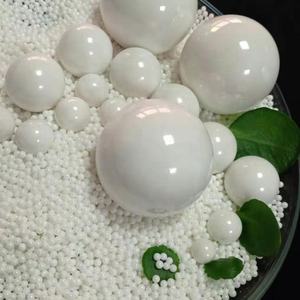
Alumina Ceramic Grinding Ball Al2O3 Ceramic Mill Ball
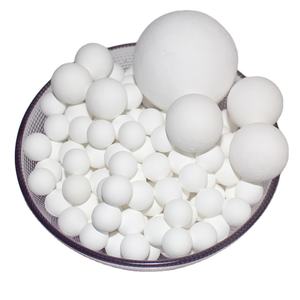
Alumina Ball
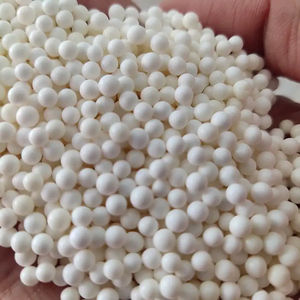
High Alu Ceramic Ball Mill Bearing Balls 95% 92% 90% Al2O3 10mm 15mm 20mm Alumina Ceramic Balls Refractory Product
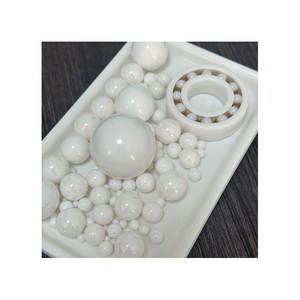
4mm 5mm 10.5mm 12.7mm 13mm 16mm Alumina Ceramic Ball 92% 99% Aluminum Oxide Ball
Inert Alumina Ceramic Packing Ball Porcelain Cheap Ozone Catalyst Water Purification Filter Ceramic Ball