Professional Premium Aluminum Oxide Products Supplier


PRODUCT PARAMETERS
Description
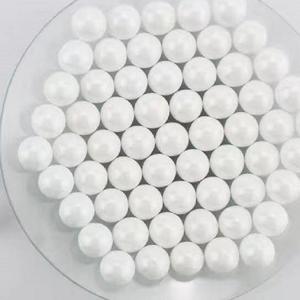
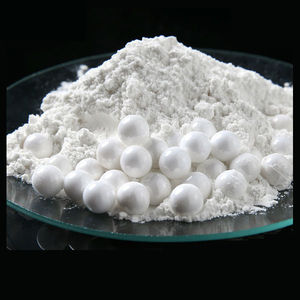
Overview of Inert Ceramic Beads Inert Alumina Oxide Ceramic Balls Ceramic Packing Balls
Alumina balls are high-purity ceramic grinding media known for their exceptional hardness, wear resistance, and thermal stability. Ideal for industrial applications like milling, catalysis, and wear-resistant components.
Features of Inert Ceramic Beads Inert Alumina Oxide Ceramic Balls Ceramic Packing Balls
High mechanical strength & durability
Excellent chemical & thermal stability
Superior wear & corrosion resistance
Available in various sizes & purity grades
Low contamination for precision processes

(Inert Ceramic Beads Inert Alumina Oxide Ceramic Balls Ceramic Packing Balls)
Specification of Inert Ceramic Beads Inert Alumina Oxide Ceramic Balls Ceramic Packing Balls
Inert ceramic beads are packing materials. They are often called inert alumina oxide ceramic balls. These balls serve specific purposes in industrial applications. They are widely used in chemical processing, petrochemical industries, and refineries. Their main job is to fill space inside reactors, towers, and other vessels. They support catalyst beds effectively. They help spread gases or liquids evenly. They manage heat distribution too.
These ceramic balls are made from high-purity alumina oxide. This material makes them very strong. It also makes them chemically inert. They resist reactions with most chemicals. This is important in harsh environments. They withstand high temperatures well. They handle thermal shock effectively. Sudden temperature changes do not easily crack them.
The beads come in different sizes. Common diameters range from 3mm to 50mm. Size choice depends on the equipment. It depends on the specific process requirements. Larger balls offer lower pressure drop. Smaller balls provide better surface distribution. They have high mechanical strength. Their crush strength is impressive. This means they hold up under heavy loads. They last a long time in demanding conditions.
Their bulk density is another key point. It affects how much volume they occupy. It influences pressure drop calculations. Their surface is smooth. This minimizes friction and wear. They pack densely inside vessels. This prevents shifting during operation. These properties make them reliable packers. They are cost-effective solutions for industry needs. They improve process efficiency. They extend the life of catalyst beds. Their inert nature keeps processes clean.

(Inert Ceramic Beads Inert Alumina Oxide Ceramic Balls Ceramic Packing Balls)
Applications of Inert Ceramic Beads Inert Alumina Oxide Ceramic Balls Ceramic Packing Balls
Inert ceramic beads, also known as inert alumina oxide ceramic balls or ceramic packing balls, are essential materials in many industries. They are made from high-purity alumina. This makes them very strong and chemically stable. They resist heat and corrosion. These properties are vital for demanding applications.
One major use is supporting catalysts in chemical reactors. The beads hold the catalyst particles firmly. They provide a strong base. This prevents the catalyst from moving or breaking down. The beads themselves don’t react. They let the catalyst do its job efficiently. This improves reaction control and output.
These ceramic balls are also used as packing material inside towers. This includes distillation columns and absorption towers. They create a large surface area inside the tower. This helps gases and liquids mix better. Better mixing means more efficient separation or reaction. The beads are inert. They won’t interfere with the process chemicals.
Inert ceramic beads act as filler beds too. They fill empty spaces in reactors or vessels. This stops other materials from shifting or compacting unevenly. It keeps the flow of gases or liquids smooth and consistent. The beads distribute heat evenly. This prevents hot spots that could damage equipment or materials.
The hardness of alumina oxide ceramic balls protects expensive equipment. They shield reactor walls and internal parts from wear. This happens during high-pressure or high-velocity operations. Using these beads extends equipment life. It cuts down on maintenance costs and downtime.
Their inert nature is key. It means they don’t react with the substances around them. They won’t add unwanted impurities to the final product. This purity is crucial for industries like petrochemicals, refining, and gas processing. They offer reliable performance in tough conditions.

Company Profile
Alumina Technology Co., Ltd,. We focus on the research and development, production and sales of alumina products, serving the electronics, ceramics, chemical and other industries. Since its establishment in 2005, the company has been committed to providing customers with the best products and services, and has become a leader in the industry through continuous technological innovation and strict quality management.
Our products includes but not limited to Alumina Boat, Alumina Crucible, Alumina Dish, Alumina Foam Filter, Alumina Plate, Alumina Rod, Alumina Bar, Alumina Balls, Filter Alumina, Nano Alumina Powder, Spherical Alumina Powder, ect. please feel free to contact us.([email protected])

Payment Methods
T/T, Western Union, Paypal, Credit Card etc.
Shipment Methods
By air, by sea, by express, as customers request.
5 FAQs of Inert Ceramic Beads Inert Alumina Oxide Ceramic Balls Ceramic Packing Balls
Here are five common questions about inert ceramic beads, also called inert alumina oxide ceramic balls or ceramic packing balls.
What exactly are inert ceramic beads? They are small, round balls made from a special ceramic material. This material is mostly alumina oxide. The beads are very strong and resist high temperatures. They also handle chemicals well without reacting. This makes them inert.
What is the main job of these ceramic balls? They act as filler material inside large industrial towers. These towers might do chemical processing or gas treatment. The beads fill space evenly. This creates a solid base layer. On top of this layer goes the main catalyst material. The beads support it. They stop the catalyst from moving too much. They also help liquids and gases spread out properly.
How are the ceramic balls used? Workers pour the beads into the tower. They form a layer at the bottom. This layer is usually a few inches thick. The beads are small and round. This shape lets them pack tightly together. It creates a very flat and level surface. Then the catalyst goes on top. The beads hold it firmly in place.
Why use ceramic balls instead of something else? Ceramic beads last a long time. They don’t wear down easily. They don’t break under high pressure. Heat doesn’t damage them. Chemicals don’t eat away at them. Other materials might crack or dissolve. Ceramic beads stay strong. This means less downtime for replacing them. It saves money over time.
What size ceramic beads should I pick? The size depends on the tower and the catalyst. Smaller beads give a smoother support surface. But very small beads might block flow if the holes are tiny. Larger beads allow more flow. But the surface might not be as flat. Check your tower design. See the size of the holes in the support grid. Match the bead size to that. Common sizes are 3mm, 6mm, 10mm, or 13mm. Pick the one that fits your equipment best.

(Inert Ceramic Beads Inert Alumina Oxide Ceramic Balls Ceramic Packing Balls)
REQUEST A QUOTE
RELATED PRODUCTS
Factory Zibo Grinding Media 92% Aluminum Oxide Al2O3 Alumina Ceramic Balls for Ball Mill
High Alu Ceramic Ball Mill Bearing Balls 95% 92% 90% Al2O3 10mm 15mm 20mm Alumina Ceramic Balls Refractory Product
Haixu Abrasives High Temperature Resistance Inert Alumina Ceramic Balls Support Media

Alumina Porcelain Al2O3 Ceramic Milling Jar/Ball Mill Pot
Factory High Quality 15 20 25 30 40 50 60 70mm Ceramic Raw Material 88% Alumina High Alumina Grinding Ball