Professional Premium Aluminum Oxide Products Supplier


PRODUCT PARAMETERS
Description
General introduction of alumina ceramic blocks
An alumina ceramic block is a ceramic material with alumina (Al₂O₃) as its main component. Its main raw material is high-purity alumina powder, which is finally made into ceramic blocks with various shapes and sizes through a delicate process, including batching, molding, and sintering. The development and application of this material stems from the urgent need for a high-performance material, as well as a series of excellent properties that alumina itself possesses. The emergence of alumina ceramic block provides an effective solution to many complex material problems in industry and promotes the technological progress of many industries.
Characteristics of alumina ceramic blocks
High hardness and wear resistance: alumina ceramic block’s hardness is extremely high, second only to diamond; its Mohs hardness reaches 9, and Vickers hardness is between 1800 – 2000HV. This characteristic makes it easy to cope with a variety of high-intensity wear, whether it is friction wear in machining or impact wear in the material handling process. It can maintain good performance, effectively extend the service life of the material, and reduce the frequency of replacement, thereby reducing production costs.
Excellent chemical stability: In terms of chemical properties, the alumina ceramic block shows strong stability. It is able to resist the erosion of most inorganic acids, alkalis and organic solvents, even in complex chemical environments, but also for a long time to maintain the integrity and performance of the material is not affected.
Excellent Mechanical Strength: Alumina ceramic blocks have high mechanical strength, with a flexural strength of 350 – 450MPa, a compressive strength of more than 2500MPa and a tensile strength of 100 – 150MPa. This makes it able to withstand large mechanical loads, whether as a support structure or as a stressed component, and can play a reliable role to provide a guarantee for the stable operation of the equipment.
Good electrical insulation: In terms of electrical properties, alumina ceramic blocks show excellent electrical insulation capability, with a dielectric strength of more than 15kV/mm, a dielectric constant between 9 – 10 (1MHz), and a dielectric loss angle tangent of less than 0.0002 (1MHz).
Outstanding Thermal Stability: Alumina ceramic blocks are able to maintain stable performance over a wide range of temperatures, with operating temperatures ranging from – 50°C to 1800°C (intermittent use) and continuous use up to 1500°C. They have a low coefficient of thermal expansion and a low dielectric strength of more than 15kV/mm. It has a low coefficient of thermal expansion (7.5 – 8.0×10-⁶ /°C (20 – 1000°C)), which means that the thermal deformation of the material is small in the case of a large temperature change and is less prone to cracking, deformation and other problems caused by thermal expansion and contraction.

Specifications table of Alumina ceramic block
| Specification | Details |
| Material Composition | High-purity alumina (Al₂O₃) with typical content >99.5% |
| Density | 3.95–4.00 g/cm³ |
| Hardness | Mohs hardness: 9; Vickers hardness: 1800–2000 HV |
| Flexural Strength | 350–450 MPa |
| Compressive Strength | >2500 MPa |
| Tensile Strength | 100–150 MPa |
| Thermal Conductivity | 20–30 W/m·K |
| Thermal Expansion | 7.5–8.0 x 10⁻⁶ /°C (20–1000°C) |
| Dielectric Strength | >15 kV/mm |
| Dielectric Constant | 9–10 (1 MHz) |
| Loss Tangent | <0.0002 (1 MHz) |
| Chemical Resistance | Excellent resistance to acids and alkalis except hydrofluoric acid (HF) |
| Operating Temperature | -50°C to 1800°C (intermittent); continuous use up to 1500°C |
| Surface Finish | Available in polished, ground, or as-sintered finishes |
| Tolerance | ±0.1 mm (standard); tighter tolerances available upon request |
| Applications | Bearings, wear parts, insulators, cutting tools, chemical processing parts |
| Color | White or off-white |
| Customization | Available in various sizes and shapes; custom machining services provided |
Applications of alumina ceramic blocks
Mechanical field: Alumina ceramic blocks are widely used in mechanical manufacturing to produce a variety of high-precision, high-strength parts. For example, in terms of bearings, alumina ceramic bearings have the advantages of a small coefficient of friction, good wear resistance, high-temperature resistance, etc., which can effectively improve the operating efficiency and reliability of the equipment and reduce the maintenance cost of the equipment.
Electronic industry: the electronics industry is extremely demanding on the performance of materials; alumina ceramic block, with its excellent electrical insulation, good thermal stability and chemical stability, plays an important role in the field of electronics. It can be used to manufacture insulating parts, such as insulating pillars on circuit boards, insulating sleeves, etc., to ensure electrical isolation between circuits and prevent short circuits and other problems.
Chemical industry: The chemical production process often involves a variety of corrosive media; alumina ceramic block of corrosion resistance makes it an ideal material for the manufacture of chemical equipment. It can be used in the manufacture of corrosion-resistant pipelines, valves, pump parts, etc.; these parts can resist the corrosion of acid, alkali, salt and other chemicals for a long time to ensure that the normal course of chemical production, reduce the cost of maintenance and replacement of equipment.
Medical industry: The medical field has strict requirements for the biocompatibility and safety of materials. Alumina ceramic block has good biocompatibility and will not cause the human body’s immune response or toxic reaction; at the same time, its corrosion resistance and high hardness make it in oral cavity repair, artificial joints, and other medical equipment manufacturing.
Aerospace and automotive manufacturing: In aerospace and automotive manufacturing and other high-end manufacturing, alumina ceramic blocks are mainly used to manufacture high-temperature components. For example, in the aerospace engine, alumina ceramic block can be used to manufacture combustion chamber components, turbine blades and other high-temperature parts; its good thermal stability and high strength to withstand high temperature, high pressure and high-speed airflow scouring to ensure normal operation of the engine to improve the performance and efficiency of the engine. In automobile manufacturing, it is used in the manufacture of engine spark plug insulators, exhaust pipes and other components; it can improve the ignition performance of the engine and exhaust efficiency and, at the same time, extend the service life of the components to meet the automobile in the high temperature, high vibration and other complex working conditions under the use of requirements.
Company Profile
Alumina Technology Co., Ltd.! We focus on the research and development, production and sales of alumina products, serving the electronics, ceramics, chemical and other industries. Since its establishment in 2005, the company has been committed to providing customers with the best products and services, and has become a leader in the industry through continuous technological innovation and strict quality management.
Our products includes but not limited to Alumina Boat, Alumina Crucible, Alumina Dish, Alumina Foam Filter, Alumina Plate, Alumina Rod, Alumina Bar, Alumina Balls, Filter Alumina, Nano Alumina Powder, Spherical Alumina Powder, ect. please feel free to contact us.(nanotrun@yahoo.com)
Payment Methods
T/T, Western Union, Paypal, Credit Card etc.
Shipment Methods
By air, by sea, by express, as customers request.

5 FAQs of Alumina ceramic block
Q1:Why do alumina ceramic blocks have spots, color spots and color differences?
During the production process of alumina ceramics, due to the frequent contact between materials and machinery, equipment, tools, utensils, and the environment, pollution and ceramic quality problems are prone to occur. Common color quality problems include spots on the surface of the ceramic, patches on the surface, color differences, and light yellow.
Among them, spots are mainly caused by mechanical iron particles mixed in the raw materials and production process, and pink spots may be caused by fine particles of stainless steel materials; the generation of dark spots is related to the ceramic formula, production process and technology; bright spots are usually caused by thin concave parts on the surface of the ceramic and high light transmittance, which are mostly caused by mechanical damage; color differences are mainly caused by impurity pollution introduced during the production process.
Q2:Why do alumina ceramic blocks turn yellow?
Under normal circumstances, alumina ceramics should be white after firing. Still, in many cases, they will show a light yellow color, and this phenomenon will be more obvious as the alumina content is higher. The density of the ceramic piece is higher. It will also change color after being exposed to sunlight, and the color will become darker as the exposure time increases. The possible reasons currently believed include irreversible changes in its internal components after exposure to sunlight or deliquesce of alumina ceramics to produce hydrated aluminum oxide.
Q3:Is it difficult to process alumina ceramic blocks?
Alumina ceramic blocks are relatively difficult to process. Their high hardness makes it difficult to process them effectively with traditional processing tools and methods. Special grinding and cutting tools, such as diamond tools, are required, and the processing cost is high.
Alumina ceramics are highly brittle and prone to cracks and breakage during processing. Therefore, special attention should be paid to controlling processing parameters and process conditions during processing to avoid excessive stress and impact.
Due to the hardness and brittleness of alumina ceramic blocks, as well as deformation and dimensional deviation that are prone to occur during processing, it is relatively difficult to achieve high-precision processing, and advanced processing technology and equipment, such as precision grinding, polishing, etc., are required.
Q4:How hard is the alumina ceramic block? What are its characteristics?
Alumina ceramic blocks have very high hardness, second only to diamond, with a Mohs hardness of 9 and a Vickers hardness of around 1800-2000HV. This property makes them excellent in wear resistance and able to withstand a great degree of wear and scratching.
Q5:How is the corrosion resistance of alumina ceramic blocks?
Alumina ceramic blocks have good corrosion resistance. It has strong resistance to most inorganic acids, alkalis and organic solvents, can remain stable in harsh chemical environments, and is not easily corroded. Therefore, it is widely used in fields such as chemical industry and electronics that require corrosion-resistant materials.
REQUEST A QUOTE
RELATED PRODUCTS

Customized Alumina Ceramic Block High-Temperature Resistant Wear-Resistant Insulating Plate Al2O3 Ceramic Heating Ceramic Parts

High Temperature 99% 99.5% Al2o3 Alumina Ceramic Block Blank Brick
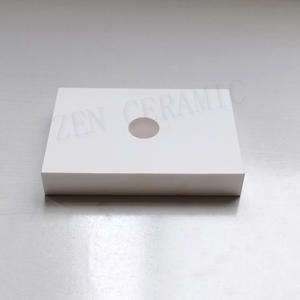
Customized ZTA Al2o3 Alumina Zro2 Zirconia Ceramic Refractory Bricks Block Plate
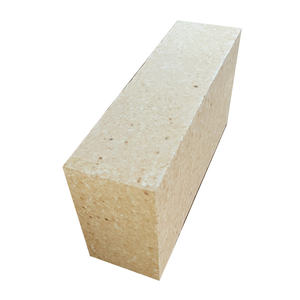
Best Hardness Machinable Hot Pressed 99 Alumina Ceramic Block Al2o3 Brick

High Purity Al2o3 99% Alumina Ceramic Block Brick 25*50*10mm