Professional Premium Aluminum Oxide Products Supplier

PRODUCT PARAMETERS
Description
Overview of High Temperature Porous Alumina Al2O3 Ceramic Foam Filter Plate
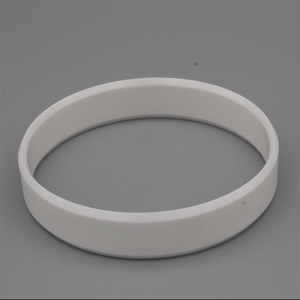
High Temperature Porous Alumina Al2O3 Ceramic Foam Filter Plate is precision-engineered from 99%+ pure aluminum oxide (Al₂O₃), offering outstanding mechanical strength and thermal stability. With a maximum operating temperature of 1800°C, these rings are widely used in high-wear applications such as bearings, seals, insulators, and semiconductor processing equipment. Their exceptional hardness and corrosion resistance make them ideal for demanding industrial environments.
Key Features of High Temperature Porous Alumina Al2O3 Ceramic Foam Filter Plate
Extreme Temperature Resistance – Stable up to 1800°C with minimal thermal expansion
Superior Wear Resistance – Harder than steel, ensuring long service life
Excellent Electrical Insulation – High dielectric strength for electronic applications
Chemical Inertness – Resists acids, alkalis, and corrosive gases
Precision Machined – Tight tolerances for consistent performance in mechanical assemblies

(High Temperature Porous Alumina Al2O3 Ceramic Foam Filter Plate)
Specifications of High Temperature Porous Alumina Al2O3 Ceramic Foam Filter Plate
This alumina ceramic foam filter plate handles intense warmth for steel filtering. It stands up to continuous temperature levels up to 1700 ° C. Short ruptureds get to 1800 ° C. This makes it excellent for filtering liquified aluminum, copper, zinc, and their alloys. The primary product is high-purity Al2O3. This guarantees chemical security against aggressive melts.
Pore thickness issues. Usual choices are 10, 20, 30, or 40 pores per linear inch (PPI). Higher PPI indicates better pores. Finer pores capture smaller contaminations. You select the PPI based upon your steel pureness needs. The filter catches oxides, slag, and other strong little bits suspended in the liquified steel. This leads to cleaner, higher quality castings.
Standard sizes are available. Regular densities are 20mm, 25mm, or 50mm. Common forms are rounded discs or square plates. Sizes or side sizes differ. Customized sizes are feasible too. The filter plate operates in factory wash systems or heater electrical outlets. It fits common filter boxes.
The porous framework is key. It’s a 3D network of interconnected alumina cells. This framework gives high area for capturing junk. It additionally permits smooth metal flow. The open cell layout lessens circulation restriction. Steel goes through easily but leaves pollutants behind. This enhances casting yield and reduces problems.
Its heat toughness is important. It doesn’t soften or fracture under molten metal warmth. Thermal shock resistance is good. It manages fast temperature changes during use. The product is inert. It does not respond with many liquified steels. This prevents contamination. The filter plate lasts longer than many options. It captures slag efficiently.

(High Temperature Porous Alumina Al2O3 Ceramic Foam Filter Plate)
Applications of High Temperature Porous Alumina Al2O3 Ceramic Foam Filter Plate
High temperature permeable alumina ceramic foam filter layers clean fluid steels. They operate in factories and steel handling plants. Molten steel streams through these filters. The filters catch dirt and solid bits. This makes the steel cleaner. Tidy steel implies far better spreadings and items.
Alumina ceramic foam handles extreme heat well. It endures temperature levels over 1700 ° C. This is hotter than many steels melt. The filter remains solid and does not damage down. It maintains its form and catches dirt effectively. The permeable framework is vital. It has lots of little connected holes. These holes let steel circulation with efficiently. However they block undesirable bits.
Making use of these filters improves metal quality considerably. They decrease openings and vulnerable points in last castings. This means stronger components. Factories conserve money. Less metal obtains thrown away. Manufacturing runs better. Fewer spreadings get thrown out. The filters last a very long time. They withstand warmth and chemical damages. Replacing them occurs less usually.
Different filter grades exist. Pore sizes differ. You choose based upon the metal kind and the dust requiring elimination. Typical uses consist of aluminum, iron, steel, and copper alloys. They are vital for vital components like car wheels or aerospace components. Tidy metal is vital for performance and safety and security. These alumina filters give that vital cleansing step dependably. They are a tried and tested option for cleaner, more powerful metal items.

Company Profile
Alumina Technology Co., Ltd,. We focus on the research and development, production and sales of alumina products, serving the electronics, ceramics, chemical and other industries. Since its establishment in 2005, the company has been committed to providing customers with the best products and services, and has become a leader in the industry through continuous technological innovation and strict quality management.
Our products includes but not limited to Alumina Boat, Alumina Crucible, Alumina Dish, Alumina Foam Filter, Alumina Plate, Alumina Rod, Alumina Bar, Alumina Balls, Filter Alumina, Nano Alumina Powder, Spherical Alumina Powder, ect. please feel free to contact us.([email protected])

Payment Methods
T/T, Western Union, Paypal, Credit Card etc.
Shipment Methods
By air, by sea, by express, as customers request.
5 FAQs of High Temperature Porous Alumina Al2O3 Ceramic Foam Filter Plate
What is a High Temperature Porous Alumina Ceramic Foam Filter Plate?
It’s a special filter block made from aluminum oxide (Al2O3). It looks like a stiff foam. This foam structure has many connected holes (pores). You put it in the path of molten metal. The dirty metal flows through the pores. Solid junk gets trapped inside the filter. Cleaner metal comes out the other side.
Why is pore size important?
Pore size tells you how big the holes in the filter are. Smaller pore sizes catch smaller bits of dirt. This gives you cleaner metal. But smaller pores can also slow the metal flow down more. You pick the pore size based on the metal type and how clean it needs to be. Common sizes are 10 PPI (bigger holes) to 30 PPI (smaller holes).
How hot can these filters get?
These Al2O3 filters handle extreme heat very well. They keep working fine up to about 1700 degrees Celsius (3092 degrees Fahrenheit). This is much hotter than most molten metals. The filter won’t melt or break down at normal casting temperatures. It stays stable and does its job.
How long does one filter plate last?
Usually, you use one filter plate for one batch of metal. It’s a single-use item. The filter gets clogged with trapped dirt during the pour. After the metal flows, the filter is full of impurities. You take it out and throw it away. You put in a fresh, clean filter for the next pour.
Does the filter need special handling?
Yes, handle it carefully. The ceramic material is strong against heat but can break if dropped. Don’t bang it or hit it hard. Keep the filter dry before you use it. Moisture can cause steam explosions when hot metal hits it. Store filters in a dry place until needed. Put it in the filter box correctly right before pouring the metal.

(High Temperature Porous Alumina Al2O3 Ceramic Foam Filter Plate)
REQUEST A QUOTE
RELATED PRODUCTS
STA High Puty Big Size 300*200 Alumina Ceramic Plate/Al2O3 Ceramic Board

Hot ing Cheap 95 Alumina Ceramic Disc Plate for Faucets

High Purity Rod Solid 95% 99% Alumina Ceramic Rod bar Shaft
Custom Alumina Rod Al2o3 Seramik Shaft bar Ceramic Roller s
High Purity 99.8% Aluminum Oxide Alumina Ceramic 2 Bore 4 Bore 2 Hole 4 Hole Multi Hole Ceramic Pipe
