Professional Premium Aluminum Oxide Products Supplier

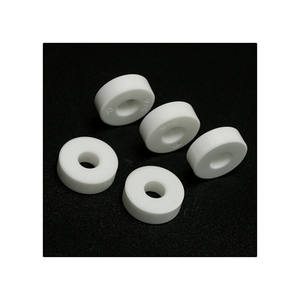
PRODUCT PARAMETERS
Description
Overview of 96% Metallization Tube Alumina Ceramics Parts Al2o3 Alumina Ceramic
96% Metallization Tube Alumina Ceramics Parts Al2o3 Alumina Ceramic is manufactured from high-purity aluminum oxide (Al₂O₃, 95%-99.8%), offering exceptional mechanical strength and thermal stability. These components are precision-engineered to meet strict tolerances, ensuring reliable performance in demanding environments. With a maximum operating temperature of 1800°C, they are widely used across industries including semiconductor, automotive, chemical processing, and medical equipment. Available in various shapes (rods, tubes, plates, washers) and surface finishes to suit specific application requirements.
Key Features of 96% Metallization Tube Alumina Ceramics Parts Al2o3 Alumina Ceramic
Extreme Temperature Resistance – Withstands continuous operation up to 1800°C
Superior Mechanical Properties – High hardness (Mohs 9) and compressive strength
Excellent Wear & Corrosion Resistance – Outlasts metals in abrasive environments
Electrical Insulation – High dielectric strength for electronic applications
Chemical Inertness – Resistant to acids, alkalis and molten metals
Precision Manufacturing – Tight tolerances (±0.01mm) for critical applications

(96% Metallization Tube Alumina Ceramics Parts Al2o3 Alumina Ceramic)
Specification of 96% Metallization Tube Alumina Ceramics Parts Al2o3 Alumina Ceramic
These 96% metallization tube alumina ceramic parts are made from high-purity aluminum oxide (Al2O3). They offer strong performance in demanding situations. The key feature is a specially applied metal coating on specific areas. This metallization allows strong, reliable bonds using common brazing techniques. You get a permanent, hermetic seal between the ceramic and metal components.
The base alumina ceramic material provides excellent properties. It handles very high temperatures well. It resists sudden temperature changes without cracking. It is a strong electrical insulator. It has good mechanical strength and hardness. It resists wear effectively. It also withstands chemical attack from many substances. The 96% purity level balances cost and performance for many industrial uses.
The metallized surface is critical for integration. It enables direct joining to metals like Kovar or stainless steel. This creates robust assemblies. These assemblies perform reliably under stress, heat, and in vacuum conditions. The metallization process is carefully controlled. It ensures a strong bond between the metal layer and the ceramic itself. This bond is essential for long-term reliability.
These tubes are used in many demanding applications. Common uses include electrical feedthroughs in vacuum systems. They serve as insulating sleeves and thermocouple protection tubes. They function as sensor housings needing electrical isolation. They are used in high-power electronic devices like lasers and lamps. They are found in aerospace components and semiconductor processing equipment. They provide critical insulation and structural support where metals fail.
The combination of 96% alumina ceramic and controlled metallization delivers a practical solution. It bridges the gap between ceramic properties and the need for metal joining. This makes complex, high-performance assemblies possible.

(96% Metallization Tube Alumina Ceramics Parts Al2o3 Alumina Ceramic)
Applications of 96% Metallization Tube Alumina Ceramics Parts Al2o3 Alumina Ceramic
These 96% metallization tube alumina ceramic components are special. Alumina (Al2O3) is really tough. It stands up to wear very well. It takes care of heats quickly. It doesn’t conduct electrical power. That makes it great for tough jobs. Including a steel layer, normally molybdenum-manganese, modifications points. We bond this metal layer tightly to the ceramic surface. This produces a solid link point. You can now solder or braze steel parts straight onto the ceramic. This is crucial for numerous demanding uses.
One major location is producing closed seals. Think of vacuum cleaner systems. Consider high-power electronics. Consider sensors. These seals have to keep gases or fluids out completely. The ceramic stands up to the warm. The metallization provides a trusted solder point. Steel components attach safely. This makes a solid, leak-proof seal. It benefits electrical feedthroughs. It helps sensing unit real estates. It helps laser tubes.
Electric links are an additional essential usage. Occasionally you require electricity to move with a tool. Yet the device itself should remain protected. These metallized tubes are ideal. The alumina body shields. The metalized ends let you link cables. You see this in resistors. You see it in specialized capacitors. You see it in feedthroughs for high-voltage equipment. The connection remains stable. It takes care of heat and electrical stress well.
These components are likewise essential for semiconductor devices. Devices like CVD or PVD utilize intense warm and chemicals. They require components that endure this atmosphere. Metallized alumina tubes fit. They hold heating elements. They act as process tubes. They offer insulated supports. The metal layer allows proper setting up. The alumina deals with the warmth and corrosion. This keeps manufacturing running smoothly.
Other uses exist as well. They work in aerospace sensors. They operate in clinical imaging components. They operate in specialized illumination like high-pressure salt lamps. The mix is powerful. You get ceramic’s sturdiness and insulation. You include steel’s ability to connect. This addresses problems in several advanced areas. Dependability is essential. Efficiency corresponds.

Company Profile
Alumina Technology Co., Ltd,. We focus on the research and development, production and sales of alumina products, serving the electronics, ceramics, chemical and other industries. Since its establishment in 2005, the company has been committed to providing customers with the best products and services, and has become a leader in the industry through continuous technological innovation and strict quality management.
Our products includes but not limited to Alumina Boat, Alumina Crucible, Alumina Dish, Alumina Foam Filter, Alumina Plate, Alumina Rod, Alumina Bar, Alumina Balls, Filter Alumina, Nano Alumina Powder, Spherical Alumina Powder, ect. please feel free to contact us.(nanotrun@yahoo.com)

Payment Methods
T/T, Western Union, Paypal, Credit Card etc.
Shipment Methods
By air, by sea, by express, as customers request.
5 FAQs of 96% Metallization Tube Alumina Ceramics Parts Al2o3 Alumina Ceramic
Customers often ask about 96% Metallization Tube Alumina Ceramics Parts. Here are five common questions and answers.
What are these parts exactly? They are tubes made from alumina ceramic. Alumina is aluminum oxide (Al2O3). The purity is 96%. A special metal layer is added to the ceramic surface. This is metallization. It allows the ceramic tube to bond to metal components.
Why is the metallization important? The metal layer lets you join the ceramic tube to metal parts securely. You can braze or solder them. This creates strong, reliable connections. It is vital for making hermetic seals. Electronics and vacuum systems need this.
Where are these parts typically used? You find them in demanding applications. High-voltage insulators use them. Vacuum feedthroughs need them. Semiconductor processing equipment relies on them. Laser systems and aerospace components also use these parts. They perform well under electrical stress, heat, and wear.
What temperatures can they handle? These alumina ceramics withstand very high heat. They operate reliably up to about 1600°C (2912°F). The metallization layer must match this. Special high-temperature metallization is used. This ensures the bond stays strong even in extreme conditions.
Why choose alumina ceramic over metal? Alumina offers key advantages. It is an excellent electrical insulator. It resists corrosion much better than most metals. It is very hard and resists wear. Alumina handles thermal shock well. It provides electrical isolation where metal cannot. For tough environments, alumina is often better.

(96% Metallization Tube Alumina Ceramics Parts Al2o3 Alumina Ceramic)
REQUEST A QUOTE
RELATED PRODUCTS
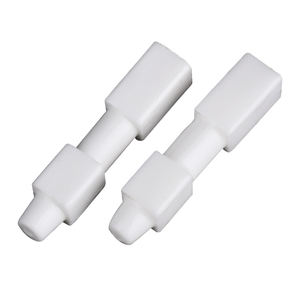
High-Temperature Resistant Industrial Ceramics Alumina/Zirconia Ceramic Parts with Welding Cutting Bending Services
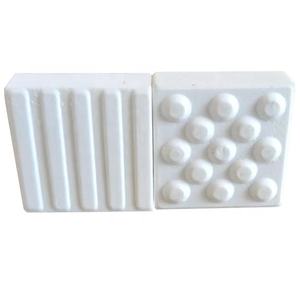
China Factory 99% Al2O3 Crucible Corundum Crucible Alumina Crucible
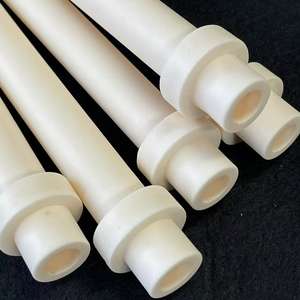
Hard Non-Standard Customized High Temperature Wear-Resistant 96% 99% Special Precision Zirconia/Alumina Parts Ceramics
Custom Al2O3 Ceramics Precision Industrial CNC 99% 99.5% Alumina Ceramic Parts
Thin 99% Al2O3 Alumina Ceramic Tube Rods Small Diameter 1mm 2mm For Industrial Use
