Professional Premium Aluminum Oxide Products Supplier

PRODUCT PARAMETERS
Description
Overview of Industrial 95 99 Alumina Ceramic Structural Parts Mold Design and Customization Precision Ceramic Component
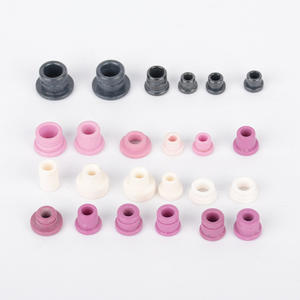
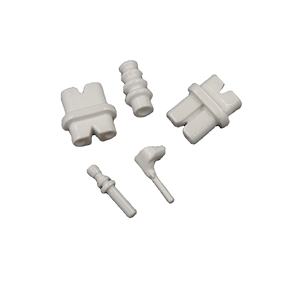
Industrial 95 99 Alumina Ceramic Structural Parts Mold Design and Customization Precision Ceramic Component is manufactured from high-purity aluminum oxide (Al₂O₃, 95%-99.8%), offering exceptional mechanical strength and thermal stability. These components are precision-engineered to meet strict tolerances, ensuring reliable performance in demanding environments. With a maximum operating temperature of 1800°C, they are widely used across industries including semiconductor, automotive, chemical processing, and medical equipment. Available in various shapes (rods, tubes, plates, washers) and surface finishes to suit specific application requirements.
Key Features of Industrial 95 99 Alumina Ceramic Structural Parts Mold Design and Customization Precision Ceramic Component
Extreme Temperature Resistance – Withstands continuous operation up to 1800°C
Superior Mechanical Properties – High hardness (Mohs 9) and compressive strength
Excellent Wear & Corrosion Resistance – Outlasts metals in abrasive environments
Electrical Insulation – High dielectric strength for electronic applications
Chemical Inertness – Resistant to acids, alkalis and molten metals
Precision Manufacturing – Tight tolerances (±0.01mm) for critical applications

(Industrial 95 99 Alumina Ceramic Structural Parts Mold Design and Customization Precision Ceramic Component)
Specification of Industrial 95 99 Alumina Ceramic Structural Parts Mold Design and Customization Precision Ceramic Component
Industrial 95 and 99 alumina ceramic structural parts offer high performance. These precision ceramic components are incredibly hard. They resist severe wear effectively. They handle very high temperatures well, often exceeding 1500°C. They provide excellent electrical insulation. They resist chemical attack from many acids and alkalis. This makes them vital for tough industrial jobs.
Precise mold design is critical for these parts. The mold dictates the final component’s shape and dimensions. Achieving tight tolerances requires expert mold engineering. We use advanced CAD software. We simulate the molding process. This identifies potential problems early. We optimize the mold design for manufacturability. This ensures consistent part quality. It minimizes waste. It reduces production costs. Careful mold design prevents defects like cracks or warping. It guarantees the part meets its intended function.
Customization is a core service. We understand standard parts don’t fit every application. You need specific sizes. You need unique shapes. You need special features like holes or threads. We can make that happen. We discuss your exact requirements first. We analyze your application needs. We consider the operating environment. We consider the mechanical loads involved. We consider the thermal stresses expected. We then engineer the ceramic part solution. We design the custom mold. We select the right alumina grade. We choose the best manufacturing method. This could be dry pressing. This could be injection molding. This could be isostatic pressing. We produce precision components tailored to your machine. We produce parts for your process equipment. We produce parts for your specialized device.
We manufacture these custom ceramic parts reliably. We deliver them on time. We ensure consistent high quality. Our expertise covers complex geometries. Our expertise covers demanding performance needs. We help you solve difficult engineering challenges with advanced ceramics.

(Industrial 95 99 Alumina Ceramic Structural Parts Mold Design and Customization Precision Ceramic Component)
Applications of Industrial 95 99 Alumina Ceramic Structural Parts Mold Design and Customization Precision Ceramic Component
Industrial 95 and 99 alumina ceramic structural parts deliver exceptional performance under demanding conditions. Their high hardness withstands significant wear and tear. Excellent thermal stability allows reliable operation at very high temperatures. These ceramics provide strong electrical insulation properties too. Industries rely on them for critical applications where metals or plastics fail. Precision mold design is crucial for producing these complex components successfully. The high alumina content creates unique challenges during shaping and firing. Molds must account precisely for material shrinkage during sintering. Even small errors in mold dimensions lead to unusable parts. Achieving the required surface finish and tight tolerances demands expert mold engineering. Every detail matters for the final component’s fit and function. Customization is a core strength of this manufacturing process. Standard parts are available for common applications. However, many industrial challenges require bespoke ceramic solutions. Custom mold design translates specific engineering needs into precise ceramic geometries. This covers complex shapes, unique mounting features, or specialized surface textures. Engineers work closely with clients to understand the exact operating environment. Factors like temperature extremes, chemical exposure, and mechanical stress are analyzed. This deep understanding informs the mold design and material selection. The goal is always a component that performs reliably in its specific setting. Producing high-purity alumina parts requires advanced manufacturing capabilities. Precision mold making forms the foundation. Skilled technicians use specialized equipment to create these intricate molds. Consistent quality control ensures every batch meets exact specifications. This capability supports innovation across many demanding sectors.

Company Profile
Alumina Technology Co., Ltd,. We focus on the research and development, production and sales of alumina products, serving the electronics, ceramics, chemical and other industries. Since its establishment in 2005, the company has been committed to providing customers with the best products and services, and has become a leader in the industry through continuous technological innovation and strict quality management.
Our products includes but not limited to Alumina Boat, Alumina Crucible, Alumina Dish, Alumina Foam Filter, Alumina Plate, Alumina Rod, Alumina Bar, Alumina Balls, Filter Alumina, Nano Alumina Powder, Spherical Alumina Powder, ect. please feel free to contact us.(nanotrun@yahoo.com)

Payment Methods
T/T, Western Union, Paypal, Credit Card etc.
Shipment Methods
By air, by sea, by express, as customers request.
5 FAQs of Industrial 95 99 Alumina Ceramic Structural Parts Mold Design and Customization Precision Ceramic Component
Industrial 95/99 Alumina Ceramic Structural Parts: Mold Design & Customization FAQs
Why choose 95% or 99% alumina ceramic for structural parts?
Alumina ceramic offers excellent hardness. It withstands severe wear. It handles high temperatures well. It resists chemical corrosion effectively. These properties make it ideal for demanding industrial environments. 95% alumina provides good performance at a lower cost. 99% alumina offers higher purity. This means better mechanical strength. It also means superior electrical insulation. It handles even tougher conditions.
What’s the biggest challenge in mold design for these parts?
Alumina shrinks significantly during sintering. Precise mold design must account for this shrinkage. The exact shrinkage rate depends on the alumina grade. It also depends on the specific sintering process used. Getting this prediction right is critical. It ensures the final part meets exact size requirements. Poor prediction leads to out-of-tolerance parts. This wastes time and material.
How precise can you make custom alumina ceramic parts?
Precision depends on the part size and geometry. It also depends on the chosen manufacturing steps. Standard machining after sintering achieves good tolerances. For very high precision, grinding or lapping is necessary. This achieves extremely tight tolerances. We can meet precise dimensional needs. We focus on your specific requirements.
Can you make complex shapes?
Yes, complex shapes are possible. Advanced mold design and forming techniques enable this. Techniques like injection molding or dry pressing are used. They form intricate geometries effectively. Mold complexity impacts the final part cost. More complex molds cost more to produce. We balance design complexity with manufacturability and cost.
How long does custom part development take?
Development time varies. It depends on part complexity. It also depends on the required precision. Simple designs take less time. Complex designs require more engineering. Mold design and fabrication take significant time. Sample production and testing add to the schedule. Lead times for finished parts are also considered. We provide realistic timelines upfront. We keep you informed throughout the process.

(Industrial 95 99 Alumina Ceramic Structural Parts Mold Design and Customization Precision Ceramic Component)
REQUEST A QUOTE
RELATED PRODUCTS
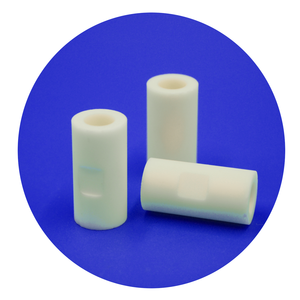
Unbreakable: Ultra-High Hardness Alumina Ceramic Ring
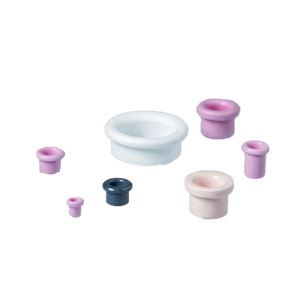
High Temperature Insulation Ceramic Fiber Paper Gasket Aluminate Silicate Ceramic Fiber Paper For Heat Fiber Thickness 2mm-10mm
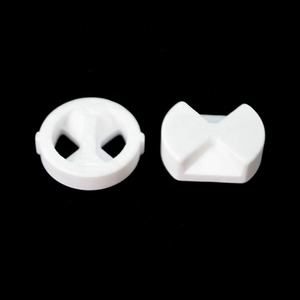
Removable threaded ceramic accessory for hookah, alumina ceramic compartment, porous water tobacco filter
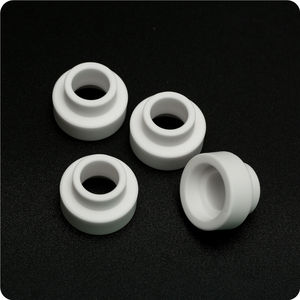
Factory Direct s of High Hardness Wear-resistant Hexagonal Alumina Ceramic Lining, Alumina Ceramic Bricks
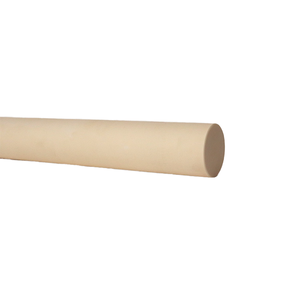
99% AL2O3 Ivory Industrial Corundum Ceramic Tube /alumina Ceramic Insulator