Professional Premium Aluminum Oxide Products Supplier

PRODUCT PARAMETERS
Description
Overview of Industrial Electronic Al2o3 Alumina Ceramics Alumina Ceramic Part Component
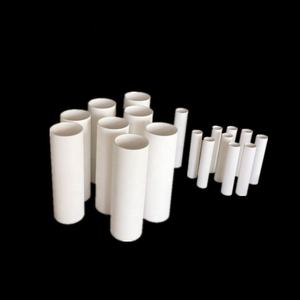
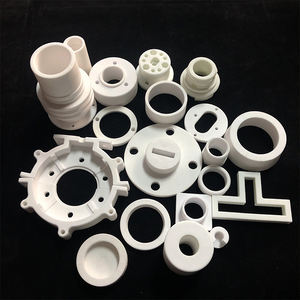
Industrial Electronic Al2o3 Alumina Ceramics Alumina Ceramic Part Component is manufactured from high-purity aluminum oxide (Al₂O₃, 95%-99.8%), offering exceptional mechanical strength and thermal stability. These components are precision-engineered to meet strict tolerances, ensuring reliable performance in demanding environments. With a maximum operating temperature of 1800°C, they are widely used across industries including semiconductor, automotive, chemical processing, and medical equipment. Available in various shapes (rods, tubes, plates, washers) and surface finishes to suit specific application requirements.
Key Features of Industrial Electronic Al2o3 Alumina Ceramics Alumina Ceramic Part Component
Extreme Temperature Resistance – Withstands continuous operation up to 1800°C
Superior Mechanical Properties – High hardness (Mohs 9) and compressive strength
Excellent Wear & Corrosion Resistance – Outlasts metals in abrasive environments
Electrical Insulation – High dielectric strength for electronic applications
Chemical Inertness – Resistant to acids, alkalis and molten metals
Precision Manufacturing – Tight tolerances (±0.01mm) for critical applications

(Industrial Electronic Al2o3 Alumina Ceramics Alumina Ceramic Part Component)
Specification of Industrial Electronic Al2o3 Alumina Ceramics Alumina Ceramic Part Component
Industrial Al2O3 alumina ceramics are advanced materials. These ceramic parts offer unique properties. They are very hard. This hardness makes them resist wear exceptionally well. Components last longer in tough conditions. Alumina ceramics handle high heat extremely well. They maintain strength and shape at temperatures over 1500°C. Furnace liners and thermocouple tubes need this stability.
Electrical insulation is another key feature. Alumina does not conduct electricity. This makes it perfect for insulating parts in electronics and power systems. Sockets, substrates, and insulators use alumina. It prevents electrical shorts reliably.
Chemical resistance is strong. Alumina ceramics withstand harsh acids and alkalis. They do not corrode easily. This is vital for chemical processing equipment. Pump seals, valve seats, and labware benefit. Parts stay intact in aggressive environments.
The material is also very stiff. It has high mechanical strength. Alumina components resist bending and deformation under heavy loads. Precision parts like bearings and cutting tools use this. Dimensional stability is critical for these applications.
Surface finish can be very smooth. This reduces friction. Alumina is also biocompatible. Medical devices often use it. Implants and surgical tools are examples. Production uses methods like pressing, extrusion, and machining. Parts come in many shapes and sizes. Common forms include tubes, rods, plates, and custom shapes. Industrial sectors rely on alumina ceramics. Electronics, automotive, aerospace, and medical fields use them. They solve problems where metals or plastics fail. Performance demands drive this choice.

(Industrial Electronic Al2o3 Alumina Ceramics Alumina Ceramic Part Component)
Applications of Industrial Electronic Al2o3 Alumina Ceramics Alumina Ceramic Part Component
Industrial electronic Al2O3 alumina ceramics are vital parts. They handle tough conditions well. Machines need reliable components. Alumina ceramics deliver. They are extremely hard. They resist wear exceptionally. This makes them perfect for moving parts. Seals and bearings last longer. Production lines run smoother. Downtime reduces significantly.
Heat is a big problem in factories. Alumina ceramics handle high temperatures easily. They don’t warp or crack. Furnace linings use them. Thermocouple tubes rely on them. Heat treatment processes depend on their stability. They insulate electrically very well. Sparks and short circuits are prevented. Sensitive electronic equipment stays safe. Power transmission components use them.
Chemical resistance is another key strength. Acids and bases don’t damage alumina. Pump parts and valves face harsh fluids. Alumina components withstand corrosion. Chemical processing plants need this durability. Semiconductor manufacturing is demanding. Alumina holds silicon wafers securely. Etching chambers use alumina parts. Precision and purity are essential. Alumina provides both.
Strength under pressure matters. Alumina parts bear heavy loads. Cutting tools use alumina inserts. They stay sharp longer. Grinding media crush materials effectively. Wear plates protect machinery surfaces. Electronics require stable bases. Alumina substrates support circuits. Sensors use alumina housings. They protect delicate electronics reliably. Alumina insulators isolate high voltages safely. Power grids use them widely. Alumina ceramics solve many industrial challenges. They make machines work better.

Company Profile
Alumina Technology Co., Ltd,. We focus on the research and development, production and sales of alumina products, serving the electronics, ceramics, chemical and other industries. Since its establishment in 2005, the company has been committed to providing customers with the best products and services, and has become a leader in the industry through continuous technological innovation and strict quality management.
Our products includes but not limited to Alumina Boat, Alumina Crucible, Alumina Dish, Alumina Foam Filter, Alumina Plate, Alumina Rod, Alumina Bar, Alumina Balls, Filter Alumina, Nano Alumina Powder, Spherical Alumina Powder, ect. please feel free to contact us.(nanotrun@yahoo.com)

Payment Methods
T/T, Western Union, Paypal, Credit Card etc.
Shipment Methods
By air, by sea, by express, as customers request.
5 FAQs of Industrial Electronic Al2o3 Alumina Ceramics Alumina Ceramic Part Component
What are alumina ceramics? Alumina ceramics come from aluminum oxide. They are a type of industrial ceramic. These ceramics are hard and durable. They handle high temperatures well. They resist chemicals and wear. Many industries use them. Electronics is a common field.
Why choose alumina ceramics for electronics? They offer excellent electrical insulation. This stops unwanted current flow. They manage heat effectively. This protects sensitive parts. They are strong and long-lasting. They work in tough conditions. This reliability matters in electronics.
What key properties do alumina ceramics have? They insulate electricity very well. They conduct heat efficiently. They are extremely hard. They resist chemical corrosion. They handle temperatures over 1500°C. They do not wear down easily. These traits suit demanding electronic uses.
What shapes and sizes are possible? Factories make many forms. Examples include plates, tubes, rods, and custom parts. Sizes range from tiny to large. Thickness varies from under 1mm to over 50mm. Processes like pressing or machining create these. Complex designs are achievable.
How should we handle alumina ceramic parts? Be careful during handling. They are hard but can break if hit. Use clean gloves. Avoid dropping them. Install them gently. Follow the manufacturer’s instructions. Ensure surfaces are clean. Tighten fittings slowly. This prevents cracks or damage.

(Industrial Electronic Al2o3 Alumina Ceramics Alumina Ceramic Part Component)
REQUEST A QUOTE
RELATED PRODUCTS
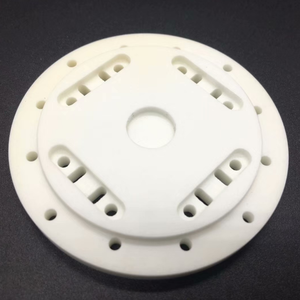
Customization Industrial Insulation High Precision High Purity Ceramics 95% 99% 99.5% Structural Parts Alumina Ceramic
Customized Alumina Ceramic round Umbrella Parts High Temperature Wear Resistance Spare Parts with Cutting Processing Service
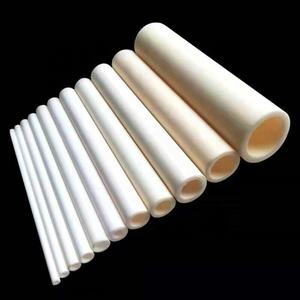
Custom 95% 99% Alumina Ceramic Insulator Tube Disc Part Component
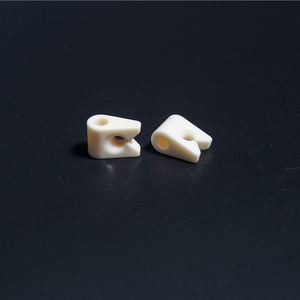
Industry Customized Advanced Technical White 96% Alumina Ceramic Parts bar
Custom Industrial Ceramic 95%-99.99% Alumina Ceramic Stick Rod Shaft
