Professional Premium Aluminum Oxide Products Supplier

Alumina Ceramic Standard Parts

High Purity 99.7% Alumina Ceramic Custom Precision Machining Spare Parts
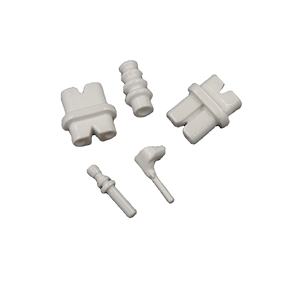
Porous Alumina Ceramic Parts Zirconia Ceramic Parts

High Precision Alumina Ceramic Components for Wear Resistance and Electrical Isolation
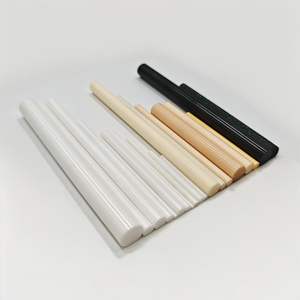
Industry Precision Alumina Part Al2o3 Ceramic
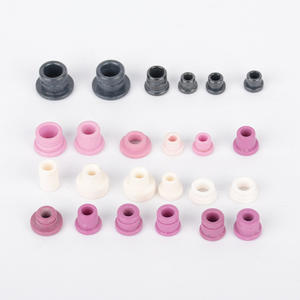
Whole Industrial High Temperature Resistance Aluminum Oxide Customized 95%Alumina Ceramic Part
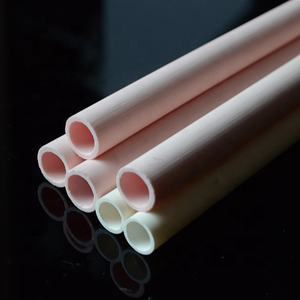
Factory Supply High Precision 99% Al2O3 Insulating Ceramic Alumina Part Accessories for Coating Machine

High Purity Alumina Ceramic Al2O3 Parts with Stainless Steel Axis Factory
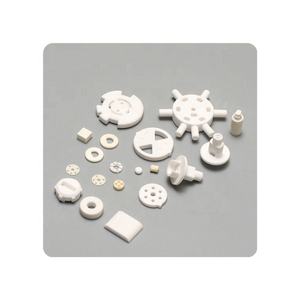
Insulating 95% Alumina Al2O3 Ceramic Spare Parts
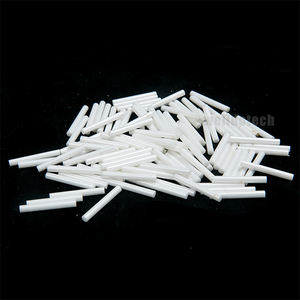
Customized Special-Shaped 998 AL2O3 Alumina Ceramics Wear-Resistant Industrial Ceramic Parts

99%alumina Industrial Ceramic Mechanical Structural Parts Wear-resistant Ceramic Machine Accessories

95 Alumina Ceramic Parts High-Hardness Wear-Resistant Ceramics
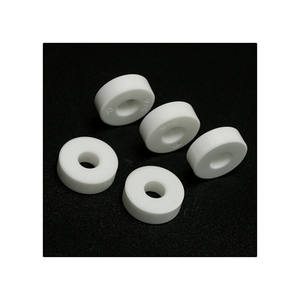
Whole Customized 99% Alumina Ceramic Pipe Ceramic Parts High Purity Insulating Alumina Ceramic Facing
Overview of Alumina Ceramic Standard Parts
Alumina ceramic standard parts are pre-engineered, standardized components made from high-purity alumina (Al₂O₃) ceramics, valued for their exceptional mechanical, thermal, and chemical properties. These parts adhere to industry-recognized dimensions and specifications, enabling easy integration into various systems.
Characteristics of Alumina Ceramic Standard Parts
- Material Composition
- Dense, fine-grained microstructure provides high hardness (≈85–90 HRA) and wear resistance.
- Primarily made from alumina powders with purity levels (e.g., 90%, 95%, 99%, or higher), where higher purity enhances chemical resistance and electrical insulation.
- Common Types
- Structural Parts: Shafts, pins, plungers, rods, and sleeves for load-bearing or precision motion.
- Electrical/Insulatory Parts: Insulators, bushings, spacers, and terminals for electrical isolation.
- Functional Parts: Nozzles, guides, seals, and fixtures for specialized applications (e.g., high-temperature or corrosive environments).
- Customizable Standards: Bolts, nuts, washers, and connectors with standardized threads/sizes but adjustable for specific needs.
Performance Advantages
- High Temperature Resistance: Operational stability up to 1600–1800°C, ideal for furnaces, engines, or thermal systems.
- Chemical Corrosion Resistance: Inert to acids, alkalis, and most solvents, suitable for chemical processing or harsh environments.
- Electrical Insulation: Excellent dielectric properties for use in high-voltage or electronic applications.
- Low Thermal Expansion: Maintains dimensional stability across temperature fluctuations, critical for precision machinery.
- Wear Resistance: Long service life even under high-friction or abrasive conditions (e.g., in textile or automotive systems).
Applications of Alumina Ceramic Standard Parts
- Electronics & Semiconductors: Insulators for circuit boards, heat-resistant brackets for LED modules, and wafer handling components.
- Automotive: Fuel injection system parts, sensors, and bearings for high-temperature/high-pressure environments.
- Medical Devices: Biocompatible components (e.g., guide pins, surgical tool parts) due to non-reactivity and cleanliness.
- Industrial Machinery: Wear-resistant shafts, seals, and valves in pumps, mixers, or hydraulic systems.
- Aerospace & Defense: Lightweight, high-strength parts for engines, avionics, and thermal protection systems.
Manufacturing Processes of Alumina Ceramic Standard Parts
- Forming: Dry pressing, injection molding, or isostatic pressing toachieve standardized shapes.
- Sintering: High-temperature firing (1600–1800°C) to densify the ceramic and enhance mechanical properties.
- Finishing: Grinding, lapping, or polishing to meet tight tolerances (e.g., ±0.001 mm for precision parts).

Company Profile
Alumina Technology Co., Ltd.! We focus on the research and development, production and sales of alumina products, serving the electronics, ceramics, chemical and other industries. Since its establishment in 2005, the company has been committed to providing customers with the best products and services, and has become a leader in the industry through continuous technological innovation and strict quality management.
Our products includes but not limited to Alumina Boat, Alumina Crucible, Alumina Dish, Alumina Foam Filter, Alumina Plate, Alumina Rod, Alumina Bar, Alumina Balls, Filter Alumina, Nano Alumina Powder, Spherical Alumina Powder, ect. please feel free to contact us.(nanotrun@yahoo.com)
Payment Methods
T/T, Western Union, Paypal, Credit Card etc.
Shipment Methods
By air, by sea, by express, as customers request.

5 FAQs of Alumina Ceramic Standard Parts?
1. What are the main advantages of alumina ceramic standard parts over metal or plastic components?
- They offer superior high-temperature resistance (up to 1800°C), chemical corrosion resistance, electrical insulation, and wear resistance, making them ideal for harsh environments where metals/plastics fail.
2. What industries commonly use alumina ceramic standard parts?
- Widely used in electronics (insulators, circuit components), automotive (high-temperature engine parts), medical devices (biocompatible tools), aerospace, and industrial machinery (wear-resistant seals, valves).
3. How do I choose the right purity grade for my application?
- 90–95% purity balances cost and general performance (e.g., mechanical strength), while 99%+ purity is for extreme chemical/electrical needs (e.g., semiconductor or high-voltage environments).
4. Can alumina ceramic standard parts be customized for specific dimensions?
- Yes, many standard parts (e.g., bolts, sleeves) can be tailored for size, tolerance, or surface finish (e.g., polishing for low friction) while adhering to industry standards (ISO, JIS) for compatibility.
5. Are alumina ceramic standard parts brittle or prone to cracking under stress?
- While ceramics are less ductile than metals, their high hardness and compressive strength make them durable for static or low-impact loads. Proper design (avoiding sharp edges) and load-rated selection minimize cracking risks.