Professional Premium Aluminum Oxide Products Supplier

PRODUCT PARAMETERS
Description
Overview of Square Zro2 Pcb Sheet Super Thin Zirconia Ceramic Substrate Thin Alumina Al2O3 Ceramic Substrate
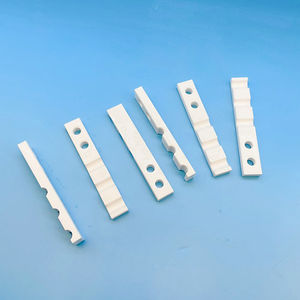
Square Zro2 Pcb Sheet Super Thin Zirconia Ceramic Substrate Thin Alumina Al2O3 Ceramic Substrate is manufactured from 99%+ pure aluminum oxide (Al₂O₃), delivering exceptional mechanical strength and thermal stability. These advanced ceramic parts maintain dimensional stability in extreme environments up to 1800°C, making them perfect for demanding applications in semiconductor equipment, aerospace components, chemical processing, and high-temperature industrial machinery.
Features of Square Zro2 Pcb Sheet Super Thin Zirconia Ceramic Substrate Thin Alumina Al2O3 Ceramic Substrate
Ultra-High Temperature Resistance – Withstands continuous operation up to 1800°C
Exceptional Mechanical Strength – Superior hardness and wear resistance compared to metals
Corrosion & Chemical Proof – Resists acids, alkalis, and harsh industrial chemicals
Electrical Insulation – Excellent dielectric properties for electronic applications
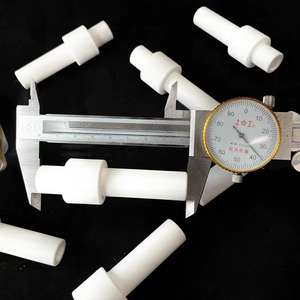
Customizable Designs – Available in complex geometries with tight tolerances (±0.01mm)

(Square Zro2 Pcb Sheet Super Thin Zirconia Ceramic Substrate Thin Alumina Al2O3 Ceramic Substrate)
Specification of Square Zro2 Pcb Sheet Super Thin Zirconia Ceramic Substrate Thin Alumina Al2O3 Ceramic Substrate
These square ZrO2 PCB sheets offer a super thin zirconia ceramic substrate. Alumina Al2O3 ceramic substrates are also available thin. Both materials are very hard and durable. They resist wear exceptionally well. These substrates handle high temperatures without warping. Their thermal stability is excellent. Electrical insulation is another key benefit. Current does not flow through the ceramic easily. This makes them perfect for circuit boards. Surface smoothness is critical for electronics. These substrates provide a very flat surface. Components attach securely to this surface. Fine circuit lines can be printed accurately. Zirconia has special properties. Its toughness is higher than many ceramics. It resists cracking under stress. Zirconia works well in demanding environments. Alumina is a more common ceramic. It offers good overall performance. Alumina costs less than zirconia usually. Both types come in precise square shapes. Thickness options are minimal. We offer sheets as thin as possible. Thin sheets save space in devices. They allow for lightweight designs. Heat dissipation remains effective. These substrates suit many electronic applications. They are used in sensors frequently. LEDs often use ceramic substrates. Power modules benefit from them. RF components need stable bases. Medical devices use these reliable materials. Automotive electronics find them useful. Aerospace applications demand their strength. Choose zirconia for maximum toughness. Choose alumina for cost efficiency. Both deliver reliable performance. They form the solid foundation for advanced circuits. Their thin profile enables modern miniaturization.

(Square Zro2 Pcb Sheet Super Thin Zirconia Ceramic Substrate Thin Alumina Al2O3 Ceramic Substrate)
Applications of Square Zro2 Pcb Sheet Super Thin Zirconia Ceramic Substrate Thin Alumina Al2O3 Ceramic Substrate
These thin zirconia ceramic sheets are great for demanding electronics. They handle high heat very well. Alumina ceramic substrates are also very popular. Both types are strong and durable. They don’t bend much under pressure. This makes them perfect for printed circuit boards. Circuits need stable bases. Thin ceramic sheets provide this stability. Heat won’t warp them easily. Electrical signals stay clean. High power electronics need this. Power modules use these substrates a lot. They manage heat effectively. High temperatures don’t damage the material. This is critical for reliability.
Medical devices benefit too. Thin zirconia is biocompatible. The human body accepts it safely. Alumina is also used medically. Both are very hard materials. They resist scratches and wear. Sensors often use ceramic substrates. The material doesn’t interfere with readings. Industrial equipment relies on them. Harsh environments demand tough materials. Chemicals don’t affect ceramics easily. Extreme temperatures are no problem. This ensures long equipment life. Aerospace uses them for similar reasons. Weight matters a lot there. Thin ceramic sheets are very light. They offer strength without bulk.
Energy technology uses these substrates. Fuel cells need materials like zirconia. It conducts ions efficiently. Batteries also benefit. Thin alumina sheets separate components safely. They prevent electrical shorts. Lighting systems use them too. High-power LEDs generate heat. Ceramic bases draw this heat away. This keeps the LEDs bright longer. Research labs find them useful. Experiments need reliable platforms. Ceramics provide inert surfaces. Reactions occur without interference. Many industries find value here. The combination of properties is unique. Heat resistance, electrical insulation, strength, thinness. Few materials offer all this.

Company Profile
Alumina Technology Co., Ltd,. We focus on the research and development, production and sales of alumina products, serving the electronics, ceramics, chemical and other industries. Since its establishment in 2005, the company has been committed to providing customers with the best products and services, and has become a leader in the industry through continuous technological innovation and strict quality management.
Our products includes but not limited to Alumina Boat, Alumina Crucible, Alumina Dish, Alumina Foam Filter, Alumina Plate, Alumina Rod, Alumina Bar, Alumina Balls, Filter Alumina, Nano Alumina Powder, Spherical Alumina Powder, ect. please feel free to contact us.(nanotrun@yahoo.com)

Payment Methods
T/T, Western Union, Paypal, Credit Card etc.
Shipment Methods
By air, by sea, by express, as customers request.
5 FAQs of Square Zro2 Pcb Sheet Super Thin Zirconia Ceramic Substrate Thin Alumina Al2O3 Ceramic Substrate
People ask many questions about our Square Zro2 Pcb Sheet Super Thin Zirconia Ceramic Substrate and Thin Alumina Al2O3 Ceramic Substrate. Here are the top five.
What is the thinnest thickness you offer? We make incredibly thin sheets. Our Zirconia (Zro2) and Alumina (Al2O3) substrates can be as thin as 0.05mm. This is much thinner than standard ceramic boards. It’s perfect for tiny electronics needing space.
Is Zirconia stronger than Alumina? Yes. Zirconia ceramic is tougher. It handles impacts much better. Alumina is still strong. It just isn’t as impact resistant as Zirconia. Choose Zirconia for parts that might get bumped or dropped.
Where do people use these thin ceramic sheets? They go into many high-tech devices. Think smartphones. Think wearable gadgets like smartwatches. Think advanced sensors. The thinness and strength make them ideal for compact electronics. They provide a stable base for circuits.
Are these ceramic sheets hard to handle? They are thin. They need careful handling. We ship them securely packed. Use gentle tools when placing them. Avoid bending them too much. They are strong but can snap if mishandled.
Why pick ceramic over plastic or regular PCB material? Ceramic handles heat much better. It won’t warp like plastic in high temperatures. It insulates electricity superbly. It lasts longer under stress. For demanding electronics, ceramic is the smarter choice.

(Square Zro2 Pcb Sheet Super Thin Zirconia Ceramic Substrate Thin Alumina Al2O3 Ceramic Substrate)
REQUEST A QUOTE
RELATED PRODUCTS
99% 95% Alumina Ceramic Bricks Al2o3 Plates Alumina Ceramic Refractory Plate Block Ceramic Tile
Heat Resistant Alumina Ceramic Heater Parts for Industrial and Automotive Use

High Voltage Ceramics Metallized Alumina Vacuum Ceramic Metal Sealed Parts Metal Brazing

Customizable Alumina Ceramic Nozzle Welding/Cutting/Bending for Structure Ceramic Applications Special Requirements Processed

Customized High Chemical Resistance Alumina Ceramic Tub