Professional Premium Aluminum Oxide Products Supplier

PRODUCT PARAMETERS
Description
Overview of Alumina Foundry Open Cell Foam Casting Ceramic Foam Filters 10 20 30 40 50 60 Ppi
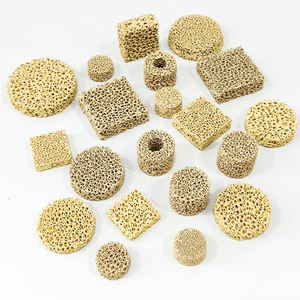
Alumina Foundry Open Cell Foam Casting Ceramic Foam Filters 10 20 30 40 50 60 Ppi is advanced porous structures made from high-purity aluminum oxide (Al₂O₃). Designed for molten metal filtration, they effectively remove slag, oxides, and non-metallic inclusions, ensuring cleaner and higher-quality castings in aluminum, iron, steel, and other metal alloys.
Key Features of Alumina Foundry Open Cell Foam Casting Ceramic Foam Filters 10 20 30 40 50 60 Ppi
High-Temperature Resistance – Stable up to 1700°C, ideal for molten metal applications.
Uniform Porosity (10-100 PPI) – Customizable pore sizes for efficient impurity removal.
Excellent Thermal Shock Resistance – Withstands rapid temperature changes without cracking.
High Mechanical Strength – Durable under extreme casting conditions.
Chemical Inertness – Resists corrosion from molten metals and fluxes.

(Alumina Foundry Open Cell Foam Casting Ceramic Foam Filters 10 20 30 40 50 60 Ppi)
Specification of Alumina Foundry Open Cell Foam Casting Ceramic Foam Filters 10 20 30 40 50 60 Ppi
Alumina foundry open cell foam ceramic filters remove impurities from molten metal. These filters are essential for quality castings. They trap slag, oxides, and other unwanted particles. This happens before the metal enters the mold cavity. Cleaner metal flows into the mold. The result is a smoother casting surface. Fewer defects occur inside the casting.
The filters are made from high-purity alumina ceramic. This material handles extreme heat very well. It withstands the intense temperatures of molten aluminum, iron, steel, and copper alloys. The ceramic structure stays stable. It doesn’t crack or break down easily during pouring. This reliability is crucial for consistent filtration.
These ceramic foam filters come in different pore sizes. The size is measured in Pores Per Inch (PPI). Common PPI options are 10, 20, 30, 40, 50, and 60. Lower PPI numbers mean larger pores. Higher PPI numbers mean smaller, finer pores. Selecting the right PPI depends on your metal and application. Coarser metals like iron often use 10-20 PPI. Finer metals like aluminum typically use 30-60 PPI. The correct PPI traps the right size particles. It also allows enough metal flow speed.
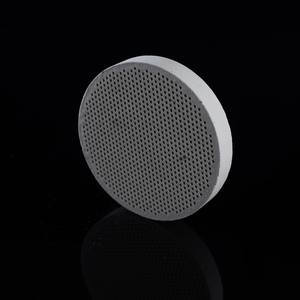
The open cell foam structure creates a large surface area. Many small channels run through the filter. Impurities get caught on these channel walls. Clean metal passes through. The filter shape is usually a square or rectangular pad. Standard sizes fit common foundry filter housings or gating systems easily. Proper placement in the gating system is key. Position the filter where metal enters the mold cavity. This ensures all metal passes through the filter. Consistent filtration improves casting yield significantly. Less scrap metal means lower costs. Better quality parts satisfy customers. Using these alumina ceramic foam filters is a practical step for foundries. It directly improves metal cleanliness and final casting quality.

(Alumina Foundry Open Cell Foam Casting Ceramic Foam Filters 10 20 30 40 50 60 Ppi)
Applications of Alumina Foundry Open Cell Foam Casting Ceramic Foam Filters 10 20 30 40 50 60 Ppi
Alumina factory open cell foam spreading ceramic foam filters clean molten steel. They eliminate pollutants during spreading. These filters can be found in various pore dimensions. The choices are 10, 20, 30, 40, 50, and 60 PPI. PPI suggests pores per inch. Reduced PPI filters have larger pores. Higher PPI filters have smaller sized pores. Foundries make use of these filters for far better metal top quality. Workers put them in eviction system. Molten metal streams via the filter. The filter captures non-metallic incorporations. These consist of slag, oxides, or debris. Removing them avoids flaws in cast components. Choosing the best PPI is very important. It depends upon the metal type. It likewise depends upon the spreading technique. Coarse filters like 10 or 20 PPI work for heavy spreadings. They permit rapid flow rates. They suit iron and steel. Medium filters like 30 or 40 PPI prevail for aluminum and copper. Great filters like 50 or 60 PPI target small impurities. They are vital for precision parts in aerospace or auto. These alumina filters provide clear advantages. They reduce scrap and revamp. They enhance mechanical toughness in end products. The material is high-purity alumina. It takes care of extreme heat. It stays chemically secure. It stays clear of reactions with liquified metal. The open cell foam style gives a large area. This catches pollutants efficiently. It maintains manufacturing speed high. Filters are available in standard dimensions. They can be tailor-made also. This guarantees they fit numerous molds and systems. Installation is very easy. Workers place them in filter housings. They stand up to thermal shock. They do not split under sudden temperature adjustments.

Company Profile
Alumina Technology Co., Ltd,. We focus on the research and development, production and sales of alumina products, serving the electronics, ceramics, chemical and other industries. Since its establishment in 2005, the company has been committed to providing customers with the best products and services, and has become a leader in the industry through continuous technological innovation and strict quality management.
Our products includes but not limited to Alumina Boat, Alumina Crucible, Alumina Dish, Alumina Foam Filter, Alumina Plate, Alumina Rod, Alumina Bar, Alumina Balls, Filter Alumina, Nano Alumina Powder, Spherical Alumina Powder, ect. please feel free to contact us.(nanotrun@yahoo.com)

Payment Methods
T/T, Western Union, Paypal, Credit Card etc.
Shipment Methods
By air, by sea, by express, as customers request.
5 FAQs of Alumina Foundry Open Cell Foam Casting Ceramic Foam Filters 10 20 30 40 50 60 Ppi
FAQs: Alumina Foundry Open Cell Foam Casting Ceramic Filters (10-60 PPI)
What are PPI numbers?
PPI means pores per inch. It measures filter hole density. Higher PPI numbers mean smaller holes. Lower PPI numbers mean larger holes. Our filters come in 10, 20, 30, 40, 50, and 60 PPI.
Why use alumina ceramic foam filters?
Alumina ceramic handles extreme heat. Molten metal temperatures are no problem. The open cell foam structure traps slag and oxides. This results in cleaner castings. Cleaner castings mean fewer defects. Fewer defects save money.
Which PPI should I choose?
Match the PPI to your metal and needs. Use lower PPI (10, 20, 30) for thicker metals. Thicker metals include aluminum alloys. Use higher PPI (40, 50, 60) for thinner metals. Thinner metals include steel and superalloys. Higher PPI catches smaller impurities. Lower PPI allows faster metal flow.
How do I use these filters?
Place the filter in the gating system. The filter sits where the metal flows into the mold. Ensure the filter fits snugly. Prevent metal bypassing the filter. The molten metal flows through the foam. Impurities get trapped inside the foam structure. Clean metal enters the mold cavity.
Are these filters strong enough?
Yes. Our filters are made from high-purity alumina. They undergo strict quality control. They resist thermal shock. They maintain strength at high temperatures. They won’t collapse during pouring. They provide reliable filtration.

(Alumina Foundry Open Cell Foam Casting Ceramic Foam Filters 10 20 30 40 50 60 Ppi)
REQUEST A QUOTE
RELATED PRODUCTS
INNOVACERA 1-100 Micron White Alumina Porous Ceramic Filter Disc for Fish Farm Oxysen Diffuser
60ppi Ceramic Foam Filter Silicon Carbide/Zirconia/Alumina Honeycomb Filter

Ceramic Foam Filters 10 20 30 40 50 Ppi Ceramic Zirconium Oxide Foam Filter Alumina Ceramic Foam Filter

Sic,alumina, Zirconia Porous Ceramic Foam Filter Plate
Silicon Carbide Alumina Porous Foam Ceramic Filter Porous Ceramic Tube