Professional Premium Aluminum Oxide Products Supplier


PRODUCT PARAMETERS
Description
Overview of Alumina Honeycomb Ceramic Foam Filter Production Line for Aluminum Foundry
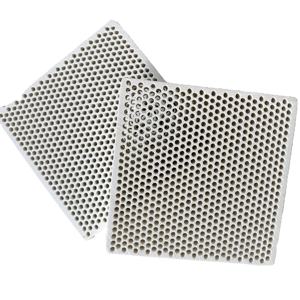
Alumina Honeycomb Ceramic Foam Filter Production Line for Aluminum Foundry is advanced porous structures made from high-purity aluminum oxide (Al₂O₃). Designed for molten metal filtration, they effectively remove slag, oxides, and non-metallic inclusions, ensuring cleaner and higher-quality castings in aluminum, iron, steel, and other metal alloys.
Key Features of Alumina Honeycomb Ceramic Foam Filter Production Line for Aluminum Foundry
High-Temperature Resistance – Stable up to 1700°C, ideal for molten metal applications.
Uniform Porosity (10-100 PPI) – Customizable pore sizes for efficient impurity removal.
Excellent Thermal Shock Resistance – Withstands rapid temperature changes without cracking.
High Mechanical Strength – Durable under extreme casting conditions.
Chemical Inertness – Resists corrosion from molten metals and fluxes.

(Alumina Honeycomb Ceramic Foam Filter Production Line for Aluminum Foundry)
Specification of Alumina Honeycomb Ceramic Foam Filter Production Line for Aluminum Foundry
This production line makes alumina honeycomb ceramic foam filters. Factories use these filters to clean molten aluminum before casting. The filters trap solid impurities and gases. This makes the final aluminum parts stronger and cleaner.
The line handles the whole making process. It starts with raw materials. Workers mix high-purity alumina powders with special additives and water. This creates a smooth slurry. The slurry goes into molds shaped like honeycombs. Air pressure pushes the slurry into every part of the mold. This forms the filter’s open, foam-like structure.
Next, the wet filters need drying. The line uses controlled drying chambers. Gentle heat removes the water slowly. Slow drying stops cracks. After drying, the filters are still fragile. They go into high-temperature kilns for firing. The firing sinters the alumina particles. This makes the filters very hard and strong. They can survive the extreme heat inside aluminum furnaces.
Quality is critical. The line includes checks at many stages. Workers test the raw powders. They inspect the slurry consistency. They examine the dried shapes. After firing, every filter gets a close look. Technicians measure the pore size. They confirm the strength. They check for any cracks or flaws. Only perfect filters pass. The good filters get packed carefully for shipping.
The machines are built tough. They run continuously for large-scale factory output. The design focuses on efficiency. It minimizes wasted material and energy. Operators control the settings precisely. This ensures every batch of filters meets the strict standards aluminum foundries demand. Reliable filters are vital for clean metal casting.

(Alumina Honeycomb Ceramic Foam Filter Production Line for Aluminum Foundry)
Applications of Alumina Honeycomb Ceramic Foam Filter Production Line for Aluminum Foundry
Our alumina honeycomb ceramic foam filter production line makes essential filters for cleaner aluminum castings. These filters trap harmful impurities in molten metal. Foundries rely on them for high-quality products. The line uses advanced automation for consistent results. Workers load raw materials like alumina powder into the mixer. The mixer blends the powder with binders and water. It forms a smooth ceramic slurry. Next, the slurry moves to the extruder. The extruder shapes the slurry into honeycomb structures. This honeycomb design provides maximum surface area. Impurities get caught effectively. The shaped filters then go through drying. Drying removes moisture carefully. Slow drying prevents cracks. Proper drying ensures filter strength. After drying, the filters enter the kiln. The kiln fires them at very high temperatures. Firing makes the filters hard and durable. It also burns away the binders. Precise temperature control is critical. Workers monitor the entire firing cycle. Quality checks happen at every stage. Dimensions and appearance get inspected. Strength and porosity get tested rigorously. Only perfect filters get packed for shipping. These filters fit into foundry launder systems easily. Molten aluminum flows through them before casting. The filters catch oxides, slag, and other solid bits. Cleaner metal enters the mold. This results in fewer casting defects like holes or inclusions. Mechanical properties of the final aluminum parts improve significantly. Foundries see less scrap metal. Production costs decrease. Yield increases. The line offers high output capacity. It runs continuously for large filter orders. Custom filter sizes and cell densities are possible. The equipment is robust. Maintenance needs are low. Operators receive thorough training.

Company Profile
Alumina Technology Co., Ltd,. We focus on the research and development, production and sales of alumina products, serving the electronics, ceramics, chemical and other industries. Since its establishment in 2005, the company has been committed to providing customers with the best products and services, and has become a leader in the industry through continuous technological innovation and strict quality management.
Our products includes but not limited to Alumina Boat, Alumina Crucible, Alumina Dish, Alumina Foam Filter, Alumina Plate, Alumina Rod, Alumina Bar, Alumina Balls, Filter Alumina, Nano Alumina Powder, Spherical Alumina Powder, ect. please feel free to contact us.(nanotrun@yahoo.com)

Payment Methods
T/T, Western Union, Paypal, Credit Card etc.
Shipment Methods
By air, by sea, by express, as customers request.
5 FAQs of Alumina Honeycomb Ceramic Foam Filter Production Line for Aluminum Foundry
Alumina honeycomb ceramic foam filters remove impurities from molten aluminum. They improve metal quality. This production line makes these filters efficiently. Foundries need reliable filters. Here are common questions.
What do these filters actually do? They trap solid particles inside molten aluminum. Things like oxides and inclusions get caught. Cleaner aluminum flows through. This means fewer defects in the final cast parts. Better metal quality saves money.
How does the production line work? Machines mix alumina powder with binders. They shape this mixture into foam blocks. The blocks dry carefully. Then high-temperature kilns bake them hard. This creates the strong, porous ceramic structure. Machines cut the blocks to exact sizes needed.
What makes this production line special? It runs consistently. The process controls are precise. Temperature and timing are exact. This ensures every filter meets high standards. The line is also robust. It handles the tough materials well. Downtime is low. Output is reliable.
Can the line make different filter types? Yes. It adjusts for different filter sizes. It handles various pore densities. The cell structure can be tuned. This flexibility lets you produce filters for different aluminum casting needs. One line serves multiple applications.
What about technical support? Full support comes with the line. Experts help install and start it. They train your operators properly. Troubleshooting help is always available. Spare parts supply is quick. This support keeps your production smooth. You get maximum value from your investment.

(Alumina Honeycomb Ceramic Foam Filter Production Line for Aluminum Foundry)
REQUEST A QUOTE
RELATED PRODUCTS

Sic Zirconia Alumina Honeycomb Ceramic Filter Porous Ceramic Foam Filter for Casting
1-5um Ceramic Membrane Alumina Porous Ceramic Filter Tube

Fast Delivery 2025 New Products High Strength Alumina Foam Ceramic Filter for Foundry
Purify Water and air Alumina Foam Ceramic Al2o3 Ceramic Foam Filter
Alumina Foam Ceramic Filter/Aluminum Oxide Honeycomb Filter/Alumine Molten Metal Filter