Professional Premium Aluminum Oxide Products Supplier

PRODUCT PARAMETERS
Description
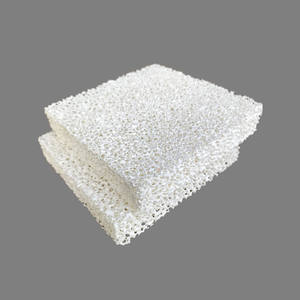
Overview of Cast Porous Ceramic Sintered Filter Alumina Ceramic Filter
Cast Porous Ceramic Sintered Filter Alumina Ceramic Filter is advanced porous structures made from high-purity aluminum oxide (Al₂O₃). Designed for molten metal filtration, they effectively remove slag, oxides, and non-metallic inclusions, ensuring cleaner and higher-quality castings in aluminum, iron, steel, and other metal alloys.
Key Features of Cast Porous Ceramic Sintered Filter Alumina Ceramic Filter
High-Temperature Resistance – Stable up to 1700°C, ideal for molten metal applications.
Uniform Porosity (10-100 PPI) – Customizable pore sizes for efficient impurity removal.
Excellent Thermal Shock Resistance – Withstands rapid temperature changes without cracking.
High Mechanical Strength – Durable under extreme casting conditions.
Chemical Inertness – Resists corrosion from molten metals and fluxes.

(Cast Porous Ceramic Sintered Filter Alumina Ceramic Filter)
Specification of Cast Porous Ceramic Sintered Filter Alumina Ceramic Filter
This cast porous ceramic sintered filter uses alumina. Alumina is aluminum oxide. It’s a very hard ceramic material. The filter is made by a special casting process. Tiny ceramic particles are mixed with liquids. This mixture forms a slurry. The slurry is poured into molds shaped like filters. The molds are then dried carefully. After drying, the filters go into a high-temperature furnace. This heating step is called sintering. Sintering bonds the particles together. It creates a strong, solid structure. Importantly, sintering leaves tiny connected holes. These holes are the pores. The pore size is controlled precisely during manufacturing. You get filters with specific pore sizes. Common sizes are measured in micrometers (PPI). Options like 10, 20, or 30 PPI are typical. This control is vital for filtering different metals.
The alumina material gives excellent properties. It handles extreme heat very well. These filters work in molten metal like aluminum or iron. They don’t melt or deform. Alumina resists chemical attack too. Molten metal and slag don’t easily damage it. This means the filter lasts longer. The porous structure traps solid impurities. Dross, oxides, and other particles get caught inside the filter. Clean metal flows through the pores. The filter structure is strong. It withstands the pressure of the molten metal flow. It also handles sudden temperature changes reasonably well. This strength prevents cracking during use.
These filters are mostly used in metal foundries. They purify molten metal before casting. Placing them in the gating system or launder is common. They catch unwanted solids. The result is cleaner castings with fewer defects. Cleaner metal means better final product quality. Reduced scrap rates are another benefit. The filter’s high temperature ability and chemical stability are key. They ensure reliable performance in harsh foundry conditions. Precise pore sizes target specific filtration needs.

(Cast Porous Ceramic Sintered Filter Alumina Ceramic Filter)
Applications of Cast Porous Ceramic Sintered Filter Alumina Ceramic Filter
Cast porous ceramic sintered filter alumina ceramic filter blocks trap impurities in tough industrial jobs. These filters handle high heat and resist chemicals well. Factories rely on them for clean results.
Foundries pour molten metal through these filters. The ceramic catches slag bits and loose sand before the metal fills molds. Cleaner metal means fewer weak spots in final castings. This saves money and improves part quality. The ceramic survives the extreme heat near liquid metal.
Chemical plants need pure liquids. These filters remove fine particles from acids, solvents, and other aggressive chemicals. The alumina ceramic won’t break down easily. It keeps the process flowing smoothly without contaminating the product. Workers trust it for consistent filtration.
Water treatment uses these filters too. They clean dirty water by trapping suspended solids. The tiny holes inside the ceramic block catch the dirt. Clean water flows out the other side. This works for factory wastewater and even some drinking water setups. The ceramic lasts a long time even with constant water flow.
Power plants filter hot gases with these alumina blocks. They catch fly ash and other particles before gases exit the smokestack. This helps meet air pollution rules. The ceramic handles the hot, dirty gas stream without failing.
Food and drug makers need spotless ingredients. These filters remove unwanted specks from syrups, oils, and pharmaceutical liquids. The inert ceramic material is safe for consumables. It doesn’t add taste or chemicals. Production lines run cleaner with fewer stops.
The secret is the millions of tiny holes inside the ceramic block. Sintering fuses the alumina grains just right, leaving connected pathways. You choose the pore size based on what particles you need to catch. The block stays strong despite the holes. It handles pressure changes and heat cycles without cracking.

Company Profile
Alumina Technology Co., Ltd,. We focus on the research and development, production and sales of alumina products, serving the electronics, ceramics, chemical and other industries. Since its establishment in 2005, the company has been committed to providing customers with the best products and services, and has become a leader in the industry through continuous technological innovation and strict quality management.
Our products includes but not limited to Alumina Boat, Alumina Crucible, Alumina Dish, Alumina Foam Filter, Alumina Plate, Alumina Rod, Alumina Bar, Alumina Balls, Filter Alumina, Nano Alumina Powder, Spherical Alumina Powder, ect. please feel free to contact us.(nanotrun@yahoo.com)

Payment Methods
T/T, Western Union, Paypal, Credit Card etc.
Shipment Methods
By air, by sea, by express, as customers request.
5 FAQs of Cast Porous Ceramic Sintered Filter Alumina Ceramic Filter
What does this cast porous ceramic filter do?
It cleans molten metal. Metal flows through the filter. Dirt and bad stuff gets trapped inside the tiny holes. Clean metal comes out the other side. This makes better quality metal parts.
Why pick alumina ceramic filters?
They handle very hot metal well. Alumina ceramic is super strong. It won’t melt or break down easily in the furnace. It lasts longer than some other filters. You get cleaner metal consistently.
Where are these filters used?
Factories use them when pouring metal. Aluminum foundries use them a lot. They are also good for copper, zinc, and other melted metals. Any place needing clean metal uses them.
How long does one filter last?
It depends on the metal and how dirty it is. Usually, one filter works for one big pour or batch. Sometimes it lasts several pours. Check it often. Replace it when it looks clogged or damaged.
What sizes can I get?
Many sizes exist. Common shapes are round discs or square plates. Sizes match standard metal pouring systems. Small filters work for small amounts. Big filters handle big metal flows. Ask for the size fitting your equipment.

(Cast Porous Ceramic Sintered Filter Alumina Ceramic Filter)
REQUEST A QUOTE
RELATED PRODUCTS
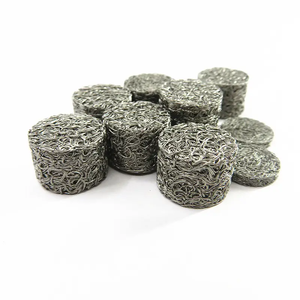
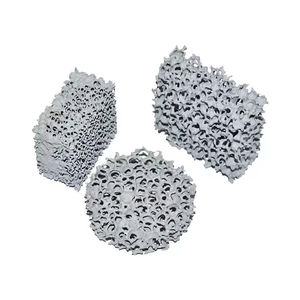
High-Temperature Resistance Alumina Silicon Carbide, Zirconia Foam Ceramic Filter for Metal Foundry to Filter Copper Water
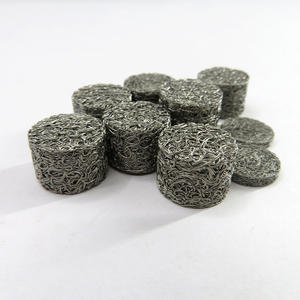
60ppi Ceramic Foam Filter Silicon Carbide/Zirconia/Alumina Honeycomb Filter
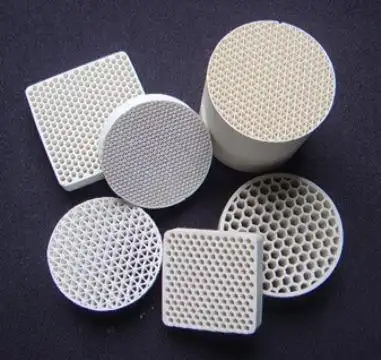
Alumina ceramic reticulated foam filter for multi applications metal foundry
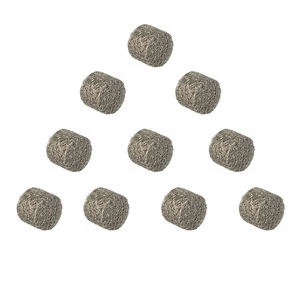
Porous Foam Ceramic Filter Plate Silicon Carbide/Zirconia/Alumina Foam Ceramic
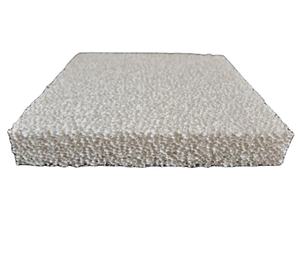
Alumina Honeycomb Ceramic Gas Burner Filter Fan Shape Combustion Plate for Heating System Reusable Ceramic Parts for Refractory