Professional Premium Aluminum Oxide Products Supplier

PRODUCT PARAMETERS
Description
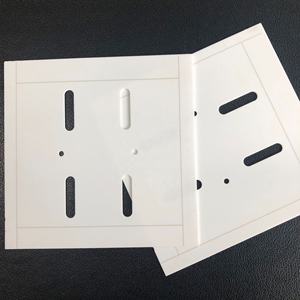
Overview of Alumina Ceramic Transition Ring And Transition And Header Plate For Precision Mold Casting
Alumina Ceramic Transition Ring And Transition And Header Plate For Precision Mold Casting is advanced ceramic components made from high-purity aluminum oxide (Al₂O₃), known for their exceptional hardness, thermal stability, and corrosion resistance. These plates are widely used in demanding industries such as electronics, aerospace, semiconductor manufacturing, and high-temperature furnace applications due to their superior electrical insulation and wear-resistant properties.
Key Features of Alumina Ceramic Transition Ring And Transition And Header Plate For Precision Mold Casting
High Thermal Resistance :Withstands extreme temperatures up to 1600°C.
Excellent Electrical Insulation:Ideal for electronic substrates & insulators.
Superior Mechanical Strength:High hardness & wear resistance for long-lasting performance.
Chemical & Corrosion Resistance:Resists acids, alkalis, and harsh environments.
Customizable:Available in various sizes, thicknesses, and purity levels (96%-99.9%).

(Alumina Ceramic Transition Ring And Transition And Header Plate For Precision Mold Casting)
Specification of Alumina Ceramic Transition Ring And Transition And Header Plate For Precision Mold Casting
Alumina ceramic transition rings and header plates are vital parts for precision mold casting. They connect the molten metal feed system to the mold cavity. Alumina ceramic is the chosen material. It offers exceptional properties necessary for reliable, high-quality casting runs. This material withstands extreme temperatures easily. It remains stable and does not deform under the intense heat of molten metals like aluminum or zinc. Dimensional stability is critical. These components keep their exact shape cycle after cycle. This ensures consistent metal flow into the mold cavity every time.
The ultra-smooth surface finish of alumina ceramic is a major advantage. It minimizes friction as the molten metal flows through the transition ring and over the header plate. Smoother flow prevents turbulence. Turbulence causes defects in the final cast parts. You get cleaner, more precise castings. Alumina ceramic also resists wear extremely well. It lasts much longer than metal alternatives. This reduces downtime for part replacement. Cost savings add up over time.
Chemical inertness is another key benefit. Alumina ceramic does not react with most molten metals. It prevents contamination of the melt. This purity is essential for casting high-performance parts. The transition ring provides a precise, leak-proof connection point. The header plate directs metal smoothly into the mold. Using these alumina ceramic components improves overall casting efficiency. You achieve better part quality and higher yields. Production becomes more predictable.

(Alumina Ceramic Transition Ring And Transition And Header Plate For Precision Mold Casting)
Applications of Alumina Ceramic Transition Ring And Transition And Header Plate For Precision Mold Casting
Alumina ceramic transition rings and header plates are important parts for precision mold casting. These components are made from high purity alumina. This material is very hard. It resists wear extremely well. Alumina handles high temperatures easily. It does not change shape under heat. This thermal stability is critical.
These ceramic parts position the casting mold core precisely. They ensure the core stays exactly where it needs to be. Consistent positioning is vital for accurate castings every time. The transition ring seals the mold assembly tightly. It prevents leaks during the molten metal injection. A good seal avoids defects in the final part.
The header plate faces direct contact with hot metal. Alumina ceramic withstands this intense heat without degrading. It resists thermal shock from repeated heating and cooling cycles. This resistance means the parts last much longer than metal alternatives. Long service life reduces downtime and replacement costs.
These alumina components maintain dimensional accuracy over thousands of cycles. They do not warp or deform under pressure. Consistent dimensions lead to reliable, high-quality castings. Mold makers and foundries use them for demanding applications. Examples include automotive parts, aerospace components, and medical devices. They are essential where precision and repeatability matter most. Their toughness and stability improve mold performance significantly. They contribute directly to higher yield rates and lower scrap.

Company Profile
Alumina Technology Co., Ltd,. We focus on the research and development, production and sales of alumina products, serving the electronics, ceramics, chemical and other industries. Since its establishment in 2005, the company has been committed to providing customers with the best products and services, and has become a leader in the industry through continuous technological innovation and strict quality management.
Our products includes but not limited to Alumina Boat, Alumina Crucible, Alumina Dish, Alumina Foam Filter, Alumina Plate, Alumina Rod, Alumina Bar, Alumina Balls, Filter Alumina, Nano Alumina Powder, Spherical Alumina Powder, ect. please feel free to contact us.(nanotrun@yahoo.com)

Payment Methods
T/T, Western Union, Paypal, Credit Card etc.
Shipment Methods
By air, by sea, by express, as customers request.
5 FAQs of Alumina Ceramic Transition Ring And Transition And Header Plate For Precision Mold Casting
What exactly do alumina ceramic transition rings and header plates do?
They manage extreme heat in precision mold casting. These parts sit between hot metal injectors and cooler mold sections. They control temperature flow precisely. This prevents defects in cast parts. It also protects the mold itself from heat damage.
How much heat can these alumina parts really handle?
They handle crazy heat better than metal. Think over 1700°C continuously. They won’t melt. They won’t warp. This stability is crucial. Metal parts fail much faster under these conditions. Alumina stays strong.
Why pick alumina ceramic over metal for these jobs?
Alumina beats metal on key points. It resists extreme heat far longer. It doesn’t wear out quickly. It transfers heat slower than metal. This controlled heat flow is vital. It makes cast parts better quality. It also means less mold damage. Less downtime for repairs. Lower costs long term.
Are the surfaces of these parts specially finished?
Yes. We machine them very smooth. A super-fine finish is critical. Rough surfaces cause friction. Friction creates particles. Particles ruin cast parts. Smooth surfaces let metal flow freely. This prevents defects. It extends mold life too.
How tough are these alumina ceramic components?
They are incredibly hard. Almost as hard as diamonds. This hardness fights wear. Metal parts erode quickly from hot, flowing metal. Alumina parts last much longer. They keep their shape. They maintain precise dimensions. This means consistent part quality batch after batch. Less replacement needed.

(Alumina Ceramic Transition Ring And Transition And Header Plate For Precision Mold Casting)
REQUEST A QUOTE
RELATED PRODUCTS
High Strength Alumina Foam Ceramics Porous Ceramic Foam Filter Plate Ceramic Filter
Customized 99% Alumina Ceramic Plate for Sintering Al2o3 Slab Aluminum Oxide Ceramic Sheet
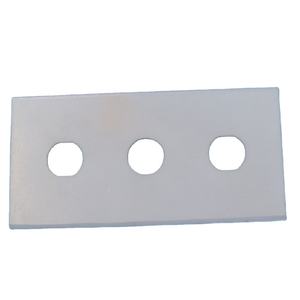
95% Alumina Ceramic Substrate Concave Ceramic Plate

Alumina Ceramic Honeycomb Filter Plate for Industrial Usage
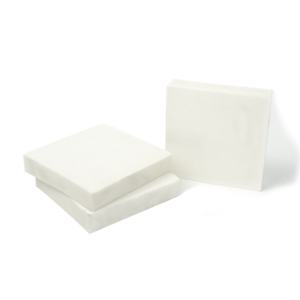
High Strength Moulding Ceramics Zirconia Alumina Weldable Plate Insulator Nozzle for Spray Drying Polished Ceramics