Professional Premium Aluminum Oxide Products Supplier

PRODUCT PARAMETERS
Description
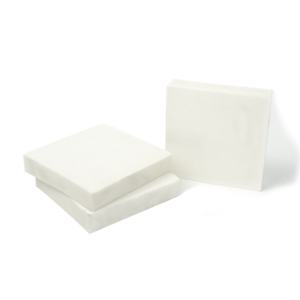
Overview of Laser Scribing Ceramic Plate Laser Drilling Alumina Ceramic Chip
Laser Scribing Ceramic Plate Laser Drilling Alumina Ceramic Chip is advanced ceramic components made from high-purity aluminum oxide (Al₂O₃), known for their exceptional hardness, thermal stability, and corrosion resistance. These plates are widely used in demanding industries such as electronics, aerospace, semiconductor manufacturing, and high-temperature furnace applications due to their superior electrical insulation and wear-resistant properties.
Key Features of Laser Scribing Ceramic Plate Laser Drilling Alumina Ceramic Chip
High Thermal Resistance :Withstands extreme temperatures up to 1600°C.
Excellent Electrical Insulation:Ideal for electronic substrates & insulators.
Superior Mechanical Strength:High hardness & wear resistance for long-lasting performance.
Chemical & Corrosion Resistance:Resists acids, alkalis, and harsh environments.
Customizable:Available in various sizes, thicknesses, and purity levels (96%-99.9%).

(Laser Scribing Ceramic Plate Laser Drilling Alumina Ceramic Chip)
Specification of Laser Scribing Ceramic Plate Laser Drilling Alumina Ceramic Chip
This laser scribing ceramic plate handles laser drilling on alumina ceramic chips. It’s made from high-purity alumina. This material is very hard and withstands high temperatures. It doesn’t wear down easily. The plate surface is very flat. This flatness is crucial for precision work. It ensures the laser hits exactly where needed. No warping or bending happens during use. This keeps the drilling accurate every time.
The plate comes in standard sizes. Common sizes are 100x100mm and 150x150mm. Thickness is usually 1mm or 2mm. Custom sizes are also available. You can request different thicknesses too. This flexibility suits various project needs. The material is non-conductive. This protects sensitive electronics during processing. Heat dissipation is excellent. This prevents damage to the ceramic chip underneath.
This plate works with common laser types. Fiber lasers and UV lasers are compatible. The plate surface reflects excess laser energy. This protects the equipment. It also gives cleaner cuts and holes. Minimal debris is produced during drilling. This keeps the work area cleaner. Setup time is reduced because of this.
Using this plate improves scribing and drilling results. Line definition becomes sharper. Hole edges are cleaner. Breakouts are cleaner and more consistent. It’s ideal for cutting alumina substrates. It’s also perfect for creating via holes. Micro-hole arrays are another common application. The plate ensures high precision across these tasks. Process stability increases significantly. Production yields often improve.

(Laser Scribing Ceramic Plate Laser Drilling Alumina Ceramic Chip)
Applications of Laser Scribing Ceramic Plate Laser Drilling Alumina Ceramic Chip
Laser scribing ceramic plates is a key step in electronics manufacturing. This process uses a focused laser beam to cut precise lines into ceramic substrates. It creates clean breaks without damaging the material. This is vital for separating circuit boards after production. The laser ensures high accuracy and repeatability. It handles intricate patterns easily. This method is much faster than mechanical scoring. It also produces less waste. Many industries rely on laser scribing for reliable ceramic components. These components are found in sensors, microelectronics, and power modules. The non-contact nature of the laser prevents contamination. It also avoids mechanical stress on fragile ceramics.
Laser drilling alumina ceramic chips offers unmatched precision. Alumina ceramic is tough and heat-resistant. Traditional drilling methods often struggle with it. Laser drilling creates very small, clean holes through the material. These holes are essential for electronic connections. Components like resistors or capacitors need paths for mounting. Laser drilling achieves this without cracks or chips. The process is highly controllable. Operators can adjust hole size and depth accurately. This is crucial for modern, densely packed circuits. Laser drilling works well for thin and thick alumina substrates. It supports the miniaturization trend in electronics. Fast processing speeds keep production efficient. Laser technology delivers consistent results batch after batch. It is the preferred method for high-volume alumina chip manufacturing.

Company Profile
Alumina Technology Co., Ltd,. We focus on the research and development, production and sales of alumina products, serving the electronics, ceramics, chemical and other industries. Since its establishment in 2005, the company has been committed to providing customers with the best products and services, and has become a leader in the industry through continuous technological innovation and strict quality management.
Our products includes but not limited to Alumina Boat, Alumina Crucible, Alumina Dish, Alumina Foam Filter, Alumina Plate, Alumina Rod, Alumina Bar, Alumina Balls, Filter Alumina, Nano Alumina Powder, Spherical Alumina Powder, ect. please feel free to contact us.(nanotrun@yahoo.com)

Payment Methods
T/T, Western Union, Paypal, Credit Card etc.
Shipment Methods
By air, by sea, by express, as customers request.
5 FAQs of Laser Scribing Ceramic Plate Laser Drilling Alumina Ceramic Chip
Here are five common questions about laser scribing ceramic plates and laser drilling alumina ceramic chips.
What is laser scribing for ceramic plates? Laser scribing uses a focused laser beam to cut precise lines or patterns into ceramic plates. This creates weak points. These weak points allow the ceramic to break cleanly along the designed lines after firing. It prepares the ceramic for separation into individual chips or components.
Why use ceramic materials like alumina? Alumina ceramic is very hard. It withstands high temperatures well. It is also an excellent electrical insulator. These properties make it perfect for demanding electronic applications. Lasers work effectively on alumina without causing large cracks or thermal damage when properly controlled.
How precise is laser drilling? Laser drilling offers high precision. It can create very small holes. Hole diameters down to 0.05 millimeters are achievable. The process allows for precise hole placement. This level of accuracy is crucial for microelectronics and advanced packaging.
Is laser processing faster than mechanical methods? Laser processing is generally much faster than mechanical drilling or cutting. There is no physical tool wear. This eliminates downtime for tool changes. Setup times are often shorter. Lasers can also handle complex patterns efficiently. This speeds up production.
Can lasers handle all ceramics? Lasers work well on many ceramics, especially alumina. Results can vary with different ceramic compositions or colors. Darker ceramics absorb laser energy better. Highly reflective ceramics might need special laser parameters. Testing is advised for new or unusual materials.

(Laser Scribing Ceramic Plate Laser Drilling Alumina Ceramic Chip)
REQUEST A QUOTE
RELATED PRODUCTS
China Factory 92% Lining Ceramic Board Ball Mill Alumina Brick Alumina Lining Plate
Polished 99 Alumina Ceramic Lapping Plate Ceramic Disc for Grinding
High Quality Alumina Ceramic Lining Plate for Wear Resistance
STA High Puty Big Size 300*200 Alumina Ceramic Plate/Al2O3 Ceramic Board
High Purity Alumina Ceramic CNC Machined Plates for Electronic Devices
