Professional Premium Aluminum Oxide Products Supplier

PRODUCT PARAMETERS
Description
Overview of Mullite Cordierite Alumina Refractory Ceramic Saggar with Corundum MgO SiO2 Materials in Various Patterns Brick Plate Ball
Mullite Cordierite Alumina Refractory Ceramic Saggar with Corundum MgO SiO2 Materials in Various Patterns Brick Plate Ball is advanced ceramic components made from high-purity aluminum oxide (Al₂O₃), known for their exceptional hardness, thermal stability, and corrosion resistance. These plates are widely used in demanding industries such as electronics, aerospace, semiconductor manufacturing, and high-temperature furnace applications due to their superior electrical insulation and wear-resistant properties.
Key Features of Mullite Cordierite Alumina Refractory Ceramic Saggar with Corundum MgO SiO2 Materials in Various Patterns Brick Plate Ball
High Thermal Resistance :Withstands extreme temperatures up to 1600°C.
Excellent Electrical Insulation:Ideal for electronic substrates & insulators.
Superior Mechanical Strength:High hardness & wear resistance for long-lasting performance.
Chemical & Corrosion Resistance:Resists acids, alkalis, and harsh environments.
Customizable:Available in various sizes, thicknesses, and purity levels (96%-99.9%).

(Mullite Cordierite Alumina Refractory Ceramic Saggar with Corundum MgO SiO2 Materials in Various Patterns Brick Plate Ball)
Specification of Mullite Cordierite Alumina Refractory Ceramic Saggar with Corundum MgO SiO2 Materials in Various Patterns Brick Plate Ball
This saggar uses top materials. Mullite, cordierite, alumina, corundum, magnesium oxide, and silica form its base. These substances combine for excellent performance. High heat resistance is crucial. This saggar handles extreme temperatures easily. It manages thermal stress well. Sudden temperature changes won’t crack it easily. Its structure stays solid. Long life under tough furnace conditions is expected. Chemical resistance matters too. It pushes back against corrosive furnace environments. Slag and chemical damage are minimized. This protection keeps the saggar working longer.
The shape matters. It comes as bricks, plates, and balls. Each form serves a specific furnace job. Bricks build sturdy kiln linings. Plates support items during firing. Balls provide heat distribution. Different patterns offer choices. These options fit various furnace designs. They meet diverse industrial heating needs.
Durability is key. This saggar is built to last. It survives many heating cycles. Frequent use doesn’t break it down quickly. You get value over time. Less replacement means lower costs. Furnace efficiency improves. Consistent performance is the result. Energy use might even drop. It’s a smart choice for demanding kiln applications.

(Mullite Cordierite Alumina Refractory Ceramic Saggar with Corundum MgO SiO2 Materials in Various Patterns Brick Plate Ball)
Applications of Mullite Cordierite Alumina Refractory Ceramic Saggar with Corundum MgO SiO2 Materials in Various Patterns Brick Plate Ball
Mullite cordierite alumina refractory ceramic saggars are important containers. They are used in high temperature industrial processes. These saggars hold items securely during firing or heating. They are made from special ceramic materials. These materials include mullite, cordierite, and alumina. Often corundum, magnesia, or silica are added. These additions improve performance. The materials offer excellent heat resistance. They can withstand very high temperatures. This is crucial for kilns and furnaces.
Thermal shock resistance is another key feature. The saggars handle rapid temperature changes well. They do not crack easily. This ensures long service life. Chemical stability is also vital. The materials resist attack from molten materials or aggressive gases. This prevents contamination. The saggars protect valuable contents inside.
These containers come in different forms. Common types are bricks, plates, and balls. Each shape serves specific needs. Factories use these saggars widely. In ceramics manufacturing, they hold pottery or tiles during firing. The saggars protect the items from direct flame. They prevent warping or damage. In battery production, saggars contain electrode materials during sintering. The materials need a stable, non-reactive environment. These saggars provide that.
The metallurgy industry relies on them too. Saggars hold metal powders or parts for heat treatment. They must endure extreme conditions. Chemical processing plants use them. Saggars contain catalysts or other materials during calcination. High purity is essential here. The saggars ensure no impurities are added. Research labs also utilize small saggars. Scientists test new materials at high temperatures. They need reliable containers. Mullite cordierite alumina saggars meet this need. They are strong and durable. They offer consistent performance. Industries choose them for demanding applications.

Company Profile
Alumina Technology Co., Ltd,. We focus on the research and development, production and sales of alumina products, serving the electronics, ceramics, chemical and other industries. Since its establishment in 2005, the company has been committed to providing customers with the best products and services, and has become a leader in the industry through continuous technological innovation and strict quality management.
Our products includes but not limited to Alumina Boat, Alumina Crucible, Alumina Dish, Alumina Foam Filter, Alumina Plate, Alumina Rod, Alumina Bar, Alumina Balls, Filter Alumina, Nano Alumina Powder, Spherical Alumina Powder, ect. please feel free to contact us.(nanotrun@yahoo.com)

Payment Methods
T/T, Western Union, Paypal, Credit Card etc.
Shipment Methods
By air, by sea, by express, as customers request.
5 FAQs of Mullite Cordierite Alumina Refractory Ceramic Saggar with Corundum MgO SiO2 Materials in Various Patterns Brick Plate Ball
What is this saggar used for? This saggar holds materials during high-temperature processes. Industries like ceramics and metals use it for firing or sintering. It protects valuable contents inside kilns.
Why choose this specific material mix? The blend offers excellent thermal shock resistance. Mullite and cordierite provide good strength. Alumina and corundum add hardness. MgO fights against certain chemical attacks. SiO2 helps form the glassy phase. This combination gives a tough, reliable product.
What shapes and forms does it come in? It comes in many forms. You can find it as bricks, plates, balls, and various pattern shapes. Different shapes suit different kiln setups and specific jobs. Choosing the right shape matters for best performance.
How long will this saggar last? Its lifespan depends heavily on use. Operating temperature, heating speed, and the materials processed affect it. Generally, this saggar lasts longer than many others. Its strong resistance to cracking and wear gives it good life. Proper care helps it last.
What temperatures can it handle? It withstands very high heat. This saggar works well up to about 1650°C (3000°F). This toughness makes it ideal for demanding industrial kilns.

(Mullite Cordierite Alumina Refractory Ceramic Saggar with Corundum MgO SiO2 Materials in Various Patterns Brick Plate Ball)
REQUEST A QUOTE
RELATED PRODUCTS
High Quality Factory Customized Hard Alumina Ceramic Plate Insert Subassembly for Strike Face Board
Octagonal Pedestal Sensor Core 96 Alumina Ceramic Plate 96 99 Electronic Ceramic Plate Multi-specification Supply
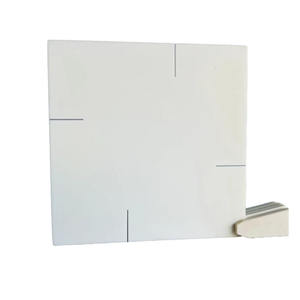
Laser Cutting 96% Alumina Ceramic Substrate Al2o3 Ceramic Plate With Hole

Electronic Grinding 96% 99% Alumina Ceramic Sheet Plate Substrate

1600 Degc Alumina Silicate Fibre Sheet Plate Pizza Oven Insulation Ceramic Fiber Board for Furnace