Professional Premium Aluminum Oxide Products Supplier

PRODUCT PARAMETERS
Description
Overview of 12V 13V Alumina Thimble Ceramic Heater for Oxygen Sensor
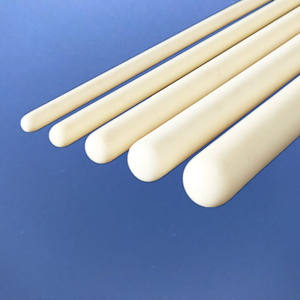
12V 13V Alumina Thimble Ceramic Heater for Oxygen Sensor is precision-manufactured from 99% aluminum oxide (Al₂O₃), delivering exceptional thermal stability and mechanical properties. These rods maintain structural integrity in extreme environments up to 1800°C, making them perfect for demanding industrial and research applications.
With outstanding resistance to wear, corrosion and thermal shock, alumina rods are widely used in high-temperature fixtures, sensor components, semiconductor equipment, and laboratory apparatus.
Key Features of 12V 13V Alumina Thimble Ceramic Heater for Oxygen Sensor
Extreme Temperature Resistance – Continuous operation up to 1800°C
Superior Mechanical Strength – High hardness and wear resistance
Excellent Thermal Shock Resistance – Withstands rapid temperature changes
Electrical Insulation – High dielectric strength for electronic applications
Chemical Inertness – Resists acids, alkalis and corrosive environments
Precision Dimensions – Tight tolerances for critical applications

(12V 13V Alumina Thimble Ceramic Heater for Oxygen Sensor)
Specification of 12V 13V Alumina Thimble Ceramic Heater for Oxygen Sensor
This is a 12V or 13V alumina thimble ceramic heater. It is made for oxygen sensors. The heater gets the oxygen sensor up to working temperature fast. This is important. Cold sensors give wrong readings. This heater helps the sensor work right sooner. The main part is alumina ceramic. This material is very strong. It handles high heat well. It lasts a long time. The shape is like a thimble. This shape fits around the oxygen sensor element snugly. Heat transfers efficiently. The heater operates at 12 volts or 13 volts. This matches common vehicle electrical systems. Cars and trucks use this voltage. Installation is straightforward. The heater connects directly to the sensor wiring. It needs no extra parts. Performance is reliable. It heats up quickly after you start the engine. This gives accurate sensor readings faster. Emissions control systems work better. Fuel efficiency can improve. The alumina ceramic is key. It withstands extreme exhaust heat. It resists thermal shock. Sudden temperature changes won’t crack it easily. This ensures long service life. The heater is designed for harsh conditions. Engine compartments are tough places. Vibration, moisture, and chemicals are present. This heater is built tough. It survives these challenges. Oxygen sensors need precise heat. This heater delivers stable heat. Sensor accuracy depends on consistent temperature. This heater provides that consistency. Replacement is simple. It fits standard oxygen sensor designs. Mechanics know how to install it. Downtime is minimal. Using this heater keeps the oxygen sensor working correctly. It helps the engine run cleanly. It meets emissions standards.

(12V 13V Alumina Thimble Ceramic Heater for Oxygen Sensor)
Applications of 12V 13V Alumina Thimble Ceramic Heater for Oxygen Sensor
These 12V and 13V alumina thimble ceramic heaters are made for oxygen sensors. They are vital parts. Oxygen sensors need to be hot to work right. They measure oxygen levels in gases. This happens in car exhausts. It happens in factories too. These heaters get the sensor hot fast. That is important.
The ceramic material heats up quickly. It uses electricity. The voltage is either 12V or 13V. This voltage is common. It matches many vehicle and machine systems. The thimble shape fits around the sensor element snugly. This gives good heat transfer. The sensor reaches its operating temperature quickly. Accurate readings start sooner.
Alumina ceramic is tough. It handles high heat. It handles tough chemicals. Exhaust gases are harsh. Industrial gases are harsh too. The heater survives these conditions. It lasts a long time. This means less replacement. It means lower costs.
The design is efficient. It heats the sensor spot directly. Little heat is wasted. Power use is low. This is good for energy saving. It is good for the system’s overall power needs. The small size helps too. It fits into tight spaces easily. Sensor design is often compact.
These heaters are used in cars. They are in trucks. They are in motorcycles. They are in many vehicles. They help the engine run clean. They help reduce pollution. Factories use them also. They monitor oxygen in processes. This ensures safety. This ensures quality. Power plants use them. They help control emissions. Environmental monitoring equipment uses them. They need reliable oxygen data.
Reliability is key. These heaters start fast every time. They keep the sensor at the right temperature. The sensor gives steady readings. This is critical for control systems. It is critical for meeting regulations. The sturdy build handles vibration. It handles temperature swings. Performance stays consistent.

Company Profile
Alumina Technology Co., Ltd,. We focus on the research and development, production and sales of alumina products, serving the electronics, ceramics, chemical and other industries. Since its establishment in 2005, the company has been committed to providing customers with the best products and services, and has become a leader in the industry through continuous technological innovation and strict quality management.
Our products includes but not limited to Alumina Boat, Alumina Crucible, Alumina Dish, Alumina Foam Filter, Alumina Plate, Alumina Rod, Alumina Bar, Alumina Balls, Filter Alumina, Nano Alumina Powder, Spherical Alumina Powder, ect. please feel free to contact us.(nanotrun@yahoo.com)

Payment Methods
T/T, Western Union, Paypal, Credit Card etc.
Shipment Methods
By air, by sea, by express, as customers request.
5 FAQs of 12V 13V Alumina Thimble Ceramic Heater for Oxygen Sensor
These ceramic heaters warm the oxygen sensor. They are inside the sensor. They are made from alumina. Alumina is a special ceramic. It handles high heat well. It heats up fast. This helps the sensor work quickly after you start your car. It gets accurate readings faster.
People use them because oxygen sensors need heat. Cold sensors don’t work right. The heater brings the sensor to the right temperature fast. This is important for your car’s engine computer. It needs good data quickly to control fuel mixture. It helps reduce pollution and improve fuel mileage.
They are made for 12V or 13V car systems. The voltage matters. Using the wrong voltage can cause problems. It might not heat properly. It could break sooner. Always check your vehicle’s voltage. Match the heater to your car. This ensures it works correctly and lasts.
They last a long time usually. They are tough. They handle the heat cycles well. They can fail though. Extreme temperatures can hurt them. Voltage spikes or physical damage can break them. Proper installation helps them last longer. They are not forever parts. You might need a new one eventually.
You need the right heater for your sensor. Not all sensors use the same heater. Check the make and model of your oxygen sensor. Match the heater replacement to it. Using the wrong type might not fit. It might not work right. Always get the specific heater for your sensor.

(12V 13V Alumina Thimble Ceramic Heater for Oxygen Sensor)
REQUEST A QUOTE
RELATED PRODUCTS

Alumina Ceramic Screw Rod Al2O3 Ceramic Tube
High Strength 99% Alumina Ceramic Tube Various Sizes Alumina Ceramic Pipe
Ceramic Customize High Purity High Precision Customized Thin 99 95 96% C799 C610 C530 Al2o3 Alumina Ceramic Tube Rod

High Hardness Alumina Ceramic Rod for Industrial Use Custom Cutting Processing Available

Custom Precision Alumina Ceramic Rod for Industrial Wear Resistant Applications