Professional Premium Aluminum Oxide Products Supplier


PRODUCT PARAMETERS
Description
Overview of Ceramic Catalyst Carrier As Automotive Emission Catalytic Converter
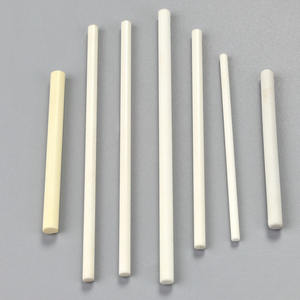
Ceramic Catalyst Carrier As Automotive Emission Catalytic Converter is precision-manufactured from 99% aluminum oxide (Al₂O₃), delivering exceptional thermal stability and mechanical properties. These rods maintain structural integrity in extreme environments up to 1800°C, making them perfect for demanding industrial and research applications.
With outstanding resistance to wear, corrosion and thermal shock, alumina rods are widely used in high-temperature fixtures, sensor components, semiconductor equipment, and laboratory apparatus.
Key Features of Ceramic Catalyst Carrier As Automotive Emission Catalytic Converter
Extreme Temperature Resistance – Continuous operation up to 1800°C
Superior Mechanical Strength – High hardness and wear resistance
Excellent Thermal Shock Resistance – Withstands rapid temperature changes
Electrical Insulation – High dielectric strength for electronic applications
Chemical Inertness – Resists acids, alkalis and corrosive environments
Precision Dimensions – Tight tolerances for critical applications

(Ceramic Catalyst Carrier As Automotive Emission Catalytic Converter)
Specification of Ceramic Catalyst Carrier As Automotive Emission Catalytic Converter
Ceramic catalyst carriers are essential parts inside automotive catalytic converters. These converters clean up harmful exhaust gases from cars and trucks. The carrier itself provides the base structure. It holds the precious metal catalysts that do the actual chemical work. Most carriers are made from special cordierite ceramic. This material handles high heat very well. It also expands very little when temperatures change. This prevents cracking and failure.
The carrier looks like a honeycomb inside. It has many small, parallel channels running through it. This design creates a huge surface area inside a small space. The precious metal catalysts coat these channel walls. Exhaust gases flow directly through these channels. This forces the gases into close contact with the catalyst coatings. The catalysts then break down pollutants like carbon monoxide, hydrocarbons, and nitrogen oxides. They turn them into less harmful substances such as water vapor, carbon dioxide, and nitrogen.
The ceramic material must withstand extreme conditions. Exhaust systems get extremely hot during normal driving. The carrier experiences rapid heating and cooling cycles. Good thermal shock resistance is crucial. It prevents the ceramic from cracking under these stresses. The material also needs high heat resistance. It must not soften or deform at typical exhaust temperatures. High strength is necessary too. The carrier must endure vibrations and pressure changes inside the exhaust system.
The honeycomb structure allows exhaust gases to flow with minimal restriction. This keeps engine performance strong. Low back pressure is a key design goal. The cell density and wall thickness affect this flow. Designers balance high surface area for good conversion efficiency against low resistance for engine performance. Durability over the vehicle’s lifetime is critical. The carrier must survive thousands of operating hours. It must handle temperature extremes and mechanical shocks reliably. A robust ceramic carrier ensures the catalytic converter works effectively for years. This helps cars meet strict emissions regulations and reduces air pollution.

(Ceramic Catalyst Carrier As Automotive Emission Catalytic Converter)
Applications of Ceramic Catalyst Carrier As Automotive Emission Catalytic Converter
Cars produce harmful exhaust gases. Ceramic catalyst carriers help clean these gases. They are a key part inside the automotive catalytic converter. The carrier holds the precious metal catalysts. These catalysts cause chemical reactions. The reactions turn pollutants into safer substances.
Ceramic carriers are usually made from cordierite. This material handles high temperatures well. Catalytic converters get very hot during operation. Ceramic stays stable under this heat. It won’t melt or warp easily. This reliability is important for the converter to work long-term.
The ceramic structure has many tiny channels. We call this a honeycomb shape. This design gives a huge surface area. More surface area means more space for the catalysts. More catalysts mean better cleaning of the exhaust. Gas flows through these channels easily. Good flow means less pressure loss. The engine doesn’t have to work as hard.
Ceramic is strong but also somewhat brittle. Manufacturers use special designs to make it durable. It must survive vibrations and shocks on the road. It resists damage from heat cycling too. Heat cycling means going from hot to cold repeatedly. Ceramic handles these changes better than many metals.
Ceramic carriers help catalytic converters last a long time. They are cost-effective for car makers. They play a big role in meeting strict emission rules. Cleaner exhaust means better air quality for everyone.

Company Profile
Alumina Technology Co., Ltd,. We focus on the research and development, production and sales of alumina products, serving the electronics, ceramics, chemical and other industries. Since its establishment in 2005, the company has been committed to providing customers with the best products and services, and has become a leader in the industry through continuous technological innovation and strict quality management.
Our products includes but not limited to Alumina Boat, Alumina Crucible, Alumina Dish, Alumina Foam Filter, Alumina Plate, Alumina Rod, Alumina Bar, Alumina Balls, Filter Alumina, Nano Alumina Powder, Spherical Alumina Powder, ect. please feel free to contact us.(nanotrun@yahoo.com)

Payment Methods
T/T, Western Union, Paypal, Credit Card etc.
Shipment Methods
By air, by sea, by express, as customers request.
5 FAQs of Ceramic Catalyst Carrier As Automotive Emission Catalytic Converter
Ceramic catalyst carriers are special parts inside your car’s catalytic converter. They help clean up the exhaust gases. People often have questions about them. Here are five common questions and their answers.
What is a ceramic catalyst carrier? It’s the core part of the catalytic converter. It looks like a honeycomb block made from special ceramics. Its job is to hold the precious metal catalyst. This catalyst breaks down harmful pollutants in the exhaust.
Why use ceramic for the carrier? Ceramic handles the heat very well. Exhaust gets extremely hot. Ceramic also resists corrosion from chemicals. It provides a strong surface area. The catalyst needs lots of surface to work effectively. Metal carriers exist, but ceramic is very common.
How does the ceramic carrier work? The exhaust gases flow through its tiny channels. The catalyst coating on the ceramic reacts with the gases. It breaks down carbon monoxide, hydrocarbons, and nitrogen oxides. These turn into less harmful things like water vapor, carbon dioxide, and nitrogen. The ceramic structure makes sure the gases touch the catalyst.
What are the benefits of a good ceramic carrier? A good carrier helps the converter work efficiently for a long time. It improves the conversion of bad pollutants. This means cleaner air. It also helps the engine run better and meet emissions rules. A strong ceramic carrier won’t crack easily under stress.
Does the ceramic carrier need maintenance? Usually, no. It’s designed to last the life of the catalytic converter. Problems happen if the engine burns oil or coolant. These can clog the honeycomb or poison the catalyst. Physical damage from impacts can also break the ceramic.

(Ceramic Catalyst Carrier As Automotive Emission Catalytic Converter)
REQUEST A QUOTE
RELATED PRODUCTS
Hot All Type 99.5 % Corundum Ceramic Insulator Alumina Tube for Electrical Furnace
Pink Color Alumina Ceramic Honing Rod
High Temperature Resistant Alumina Ceramic Bushing Aluminum Oxide Flange Sleeve for Industrial Use Custom Cutting Available

Alumina Ceramic Ignition Electrode Rod for Gas Burner

Tiny Rod Heater Ceramic Heating Element 3.7V 5V 12V 24V