Professional Premium Aluminum Oxide Products Supplier

PRODUCT PARAMETERS
Description
Overview of Corundum Ceramic Pipe Tube Rod
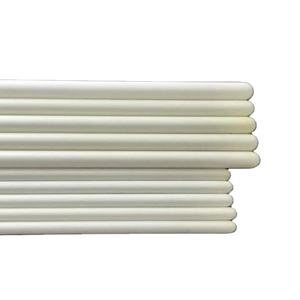
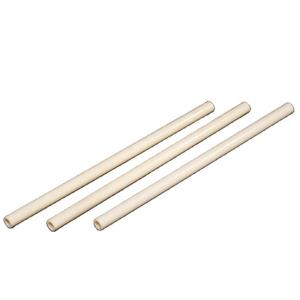
Corundum Ceramic Pipe Tube Rod is precision-manufactured from 99% aluminum oxide (Al₂O₃), delivering exceptional thermal stability and mechanical properties. These rods maintain structural integrity in extreme environments up to 1800°C, making them perfect for demanding industrial and research applications.
With outstanding resistance to wear, corrosion and thermal shock, alumina rods are widely used in high-temperature fixtures, sensor components, semiconductor equipment, and laboratory apparatus.
Key Features of Corundum Ceramic Pipe Tube Rod
Extreme Temperature Resistance – Continuous operation up to 1800°C
Superior Mechanical Strength – High hardness and wear resistance
Excellent Thermal Shock Resistance – Withstands rapid temperature changes
Electrical Insulation – High dielectric strength for electronic applications
Chemical Inertness – Resists acids, alkalis and corrosive environments
Precision Dimensions – Tight tolerances for critical applications

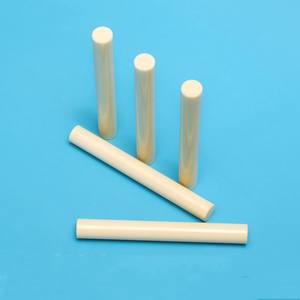
(Corundum Ceramic Pipe Tube Rod)
Specification of Corundum Ceramic Pipe Tube Rod
Corundum ceramic pipes, tubes, and rods are made mostly from aluminum oxide. This material is very hard. It is harder than steel. These parts handle extreme heat very well. They resist temperatures far above what most metals can take. This makes them good for hot environments. They also resist wear and tear extremely effectively. Abrasive materials sliding past them cause little damage. This long life saves money on replacements.
These ceramic parts resist chemical attack strongly. Acids and alkalis usually don’t harm them. They stay stable in harsh chemical settings. This chemical stability is important for many industrial processes. Their electrical insulation properties are excellent. They do not conduct electricity. This makes them safe and reliable for electrical uses.
Manufacturers shape these parts carefully. They use methods like extrusion or isostatic pressing. Then they fire them at very high temperatures. This sintering process makes the material dense and strong. The final product is very pure alumina ceramic. It has a smooth surface. This surface finish helps in many applications. It reduces friction. It prevents material sticking.
These pipes, tubes, and rods are used in many tough jobs. You find them protecting thermocouples in furnaces. They guard sensors in harsh locations. They serve as liners in equipment handling abrasive slurries. Pumps and valves use them where wear is a problem. They work well as electrical insulators in high-temperature settings. Semiconductor manufacturing uses them for their purity. Laboratories use them for their chemical resistance. They handle demanding jobs reliably. They last a long time under stress. This durability provides value.

(Corundum Ceramic Pipe Tube Rod)
Applications of Corundum Ceramic Pipe Tube Rod
Corundum ceramic pipelines, tubes, and rods are tough. They take care of extreme warmth, stand up to chemicals, and battle wear. These homes make them beneficial in lots of tough jobs.
These pipes handle really warm gases and fluids. Heaters and kilns utilize them. They withstand heats without damaging down. They additionally deal with unexpected temperature changes well. This is very important in heat treatment procedures.
Chemical plants need trusted materials. Diamond tubes resist strong acids and alkalis. They deliver hostile chemicals securely. They do not corrode quickly. This indicates much less downtime and longer life. You see them moving acids and solvents.
Abrasion is a huge problem in industry. Corundum poles and linings fight wear. They shield devices taking care of sand, minerals, or powders. This defense prolongs the life of pumps and chutes. It saves money on replacements.
The semiconductor sector demands ultra-pure products. Corundum ceramic is extremely pure and inert. Tubes bring sensitive chemicals and gases during chip making. They prevent contamination. Cleanliness is essential right here.
These ceramics are additionally electric insulators. They function well in high-voltage setups. Some tubes home sensors or burner in warm areas. Their insulation stays trustworthy also under warm stress and anxiety.
Factories utilize diamond parts too. Tubes communicate liquified light weight aluminum. The ceramic does not respond with the steel. It maintains the metal clean. This boosts casting quality.
Mineral handling involves extreme conditions. Diamond parts relocate abrasive slurries. They withstand the continuous wear from hard particles. This minimizes maintenance regularity. Workflow run smoother much longer.
Power plants make use of these ceramics. They handle fly ash and other hot, unpleasant results. Their toughness is key in these requiring settings.

Company Profile
Alumina Technology Co., Ltd,. We focus on the research and development, production and sales of alumina products, serving the electronics, ceramics, chemical and other industries. Since its establishment in 2005, the company has been committed to providing customers with the best products and services, and has become a leader in the industry through continuous technological innovation and strict quality management.
Our products includes but not limited to Alumina Boat, Alumina Crucible, Alumina Dish, Alumina Foam Filter, Alumina Plate, Alumina Rod, Alumina Bar, Alumina Balls, Filter Alumina, Nano Alumina Powder, Spherical Alumina Powder, ect. please feel free to contact us.(nanotrun@yahoo.com)

Payment Methods
T/T, Western Union, Paypal, Credit Card etc.
Shipment Methods
By air, by sea, by express, as customers request.
5 FAQs of Corundum Ceramic Pipe Tube Rod
What is corundum ceramic?
Corundum ceramic is a very hard material. It’s made from aluminum oxide. This ceramic is extremely tough. It resists wear exceptionally well. It also handles high heat and chemicals easily. People use it for pipes, tubes, and rods where things get rough.
How hot can it get?
Corundum ceramic handles very high temperatures. It works fine up to about 1600 degrees Celsius. It doesn’t crack or weaken much under heat. This makes it good for furnaces and kilns. It keeps its shape even when very hot.
Will chemicals damage it?
Corundum ceramic resists most chemicals. Acids and alkalis don’t hurt it much. It doesn’t rust like metal. Harsh chemicals in factories won’t eat it away. This is why it’s used for chemical processing parts. It lasts longer in tough environments.
Where do people use these pipes and tubes?
They go into many tough jobs. Factories use them to move hot gasses or abrasive powders. Mining equipment uses them for wear parts. Kilns and furnaces use them as liners or thermocouple tubes. Chemical plants use them for handling corrosive liquids. They protect equipment from getting worn out.
Why pick corundum over other materials?
It lasts much longer than steel or plastic in rough conditions. It doesn’t wear down easily from sand or grit. It handles heat better than most metals. It resists chemicals better than plastics. You replace parts less often. This saves money and downtime over time.

(Corundum Ceramic Pipe Tube Rod)
REQUEST A QUOTE
RELATED PRODUCTS
99% Al2O3 Alumina Ceramic Tube Mechanical Zirconia Ceramic Parts For High Temperature Application

Corrosion Resistant Alumina Ceramic Abrasive Alumina Ceramic Tube
Alumina Ceramic Pipe /ceramic Tube/ Rod
95 Wear Resistant 0.5mm Alumina Ceramic Rod Ceramic Bar Ali
High Hardness Aluminum Oxide Ceramics Sheet Panel Hexagon Type Al2o3 Alumina Ceramic Insert Plate