Professional Premium Aluminum Oxide Products Supplier

PRODUCT PARAMETERS
Description
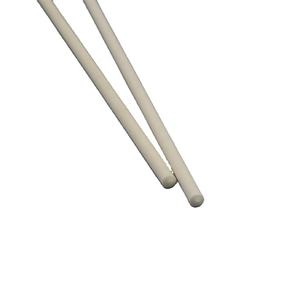
Overview of Electrical Heating Element Mullite Tube Or Cordierite Ceramic Rod
Electrical Heating Element Mullite Tube Or Cordierite Ceramic Rod is precision-manufactured from 99% aluminum oxide (Al₂O₃), delivering exceptional thermal stability and mechanical properties. These rods maintain structural integrity in extreme environments up to 1800°C, making them perfect for demanding industrial and research applications.
With outstanding resistance to wear, corrosion and thermal shock, alumina rods are widely used in high-temperature fixtures, sensor components, semiconductor equipment, and laboratory apparatus.
Key Features of Electrical Heating Element Mullite Tube Or Cordierite Ceramic Rod
Extreme Temperature Resistance – Continuous operation up to 1800°C
Superior Mechanical Strength – High hardness and wear resistance
Excellent Thermal Shock Resistance – Withstands rapid temperature changes
Electrical Insulation – High dielectric strength for electronic applications
Chemical Inertness – Resists acids, alkalis and corrosive environments
Precision Dimensions – Tight tolerances for critical applications

(Electrical Heating Element Mullite Tube Or Cordierite Ceramic Rod)
Specification of Electrical Heating Element Mullite Tube Or Cordierite Ceramic Rod
These tubes and rods provide heat in electric furnaces and heaters. They are made from special ceramics. Mullite and cordierite are the main materials. Each offers distinct advantages.
Mullite tubes handle very high temperatures well. They easily withstand over 1500°C. Their thermal shock resistance is excellent. Mullite tubes heat up fast and cool down fast without cracking. This makes them reliable for repeated cycling. They are strong mechanically. Mullite provides good electrical insulation too. These tubes work well in oxidizing atmospheres.
Cordierite ceramic rods are another good choice. They are lighter than mullite. Cordierite has a lower thermal expansion coefficient. This means it expands very little when heated. It resists thermal shock exceptionally well. Cordierite is suitable for slightly lower maximum temperatures than mullite, typically up to 1250°C. It performs reliably in many furnace environments.
Both materials form the core heating element. Electricity passes through a resistance wire inside. The ceramic tube or rod surrounds and insulates this wire. It also transfers the generated heat efficiently. The ceramic protects the wire from the surrounding atmosphere. This extends the element’s life.
Key specifications include the outer diameter and length. Wall thickness is important for strength and heat transfer. The maximum operating temperature is critical. Thermal shock resistance defines how quickly the element can heat or cool. Electrical insulation properties ensure safety. Chemical resistance matters for specific furnace gases.
Choose mullite for the highest temperature needs. Its strength at extreme heat is key. Choose cordierite where sudden temperature changes are frequent. Its low expansion handles rapid cycling best. Both materials deliver efficient, durable heating.

(Electrical Heating Element Mullite Tube Or Cordierite Ceramic Rod)
Applications of Electrical Heating Element Mullite Tube Or Cordierite Ceramic Rod
These mullite tubes and cordierite rods are core components in electric heating. Individuals utilize them where high heat is required. They turn electrical energy into warm very well. They hold the home heating cable safely inside.
Mullite tubes are tough. They manage unexpected temperature level changes well. This is necessary when points heat up quickly or cool fast. They stand up to chemical damages also. Several acids and alkalis do not injure them. This makes them helpful for harsh places. They function dependably at extremely high temperatures. Think over 1500 ° C occasionally.
Cordierite ceramic poles are likewise prominent. They warm up and cool down quickly. This is good for jobs needing quickly temperature level adjustments. They are strong and do not crack conveniently under tension. They function well at heats, though perhaps a little bit lower than mullite in some cases. They are cheaper than mullite often. This benefits conserving cash.
You find these tubes and poles in many equipments. Industrial heating systems utilize them for thawing metal or dealing with materials. Kilns for ceramic or porcelains rely on them. Laboratory equipment like tube heaters require their stable warm. They warm air in industrial clothes dryers and ovens. Some food handling machines use them for baking or drying out. Semiconductor manufacturers utilize them in processes needing clean, controlled warm.
Selecting the best product issues. Mullite is best for severe warm and chemical resistance. Cordierite suits jobs requiring fast temperature level adjustments and great strength. Both offer lengthy life and trustworthy efficiency. They are key components for making warmth successfully and securely.

Company Profile
Alumina Technology Co., Ltd,. We focus on the research and development, production and sales of alumina products, serving the electronics, ceramics, chemical and other industries. Since its establishment in 2005, the company has been committed to providing customers with the best products and services, and has become a leader in the industry through continuous technological innovation and strict quality management.
Our products includes but not limited to Alumina Boat, Alumina Crucible, Alumina Dish, Alumina Foam Filter, Alumina Plate, Alumina Rod, Alumina Bar, Alumina Balls, Filter Alumina, Nano Alumina Powder, Spherical Alumina Powder, ect. please feel free to contact us.(nanotrun@yahoo.com)

Payment Methods
T/T, Western Union, Paypal, Credit Card etc.
Shipment Methods
By air, by sea, by express, as customers request.
5 FAQs of Electrical Heating Element Mullite Tube Or Cordierite Ceramic Rod
Electrical Heating Element Mullite Tubes & Cordierite Ceramic Rods: Key FAQs
1. What’s the main difference between mullite tubes and cordierite rods?
Mullite tubes handle high temperatures better. Cordierite rods resist thermal shock well. Mullite suits very hot furnaces. Cordierite fits applications needing rapid heating or cooling cycles. Choose based on your temperature needs and how fast temperatures change.
2. How hot can these elements get?
Mullite tubes withstand extreme heat. They operate reliably up to 1600°C (2912°F). Cordierite rods have a lower limit. They typically work best below 1200°C (2192°F). Check the specific product rating. Exceeding the limit damages the element.
3. What power density (watt density) is safe?
Safe watt density depends on the tube or rod size. It also depends on the operating temperature. Higher temperatures need lower watt densities. Standard values are often 1-5 W/cm². Always follow the manufacturer’s guidelines. Too high a density causes cracking or early failure.
4. How do I install these elements correctly?
Support the tube or rod properly. Avoid mechanical stress or bending. Ensure good contact with the heating wire or coil inside. Use compatible refractory materials for mounting. Allow space for expansion when hot. Poor installation leads to breakage or uneven heating.
5. How long do these elements last?
Lifespan depends heavily on operating conditions. Constant high temperatures shorten life. Frequent thermal cycling causes wear. Proper installation and avoiding overloads are critical. Quality mullite tubes or cordierite rods often last over 5000 hours under normal conditions.

(Electrical Heating Element Mullite Tube Or Cordierite Ceramic Rod)
REQUEST A QUOTE
RELATED PRODUCTS
95 Al2o3 Infrared Insulator Alumina Ceramic Bush Pipe Tube
Wear resistant industrial Alumina ceramic custom design Ceramic Shaft Rods used in pump

1mm to 300mm High Purity Wear Resistant Alumina Ceramic Rod in Stock
Good Alumina Al2O3 Ceramic Insulator Rods
Alumina Bushing 95 99 Pipe Heat Resistance Insulation Al2O3 Ceramic Tube
