Professional Premium Aluminum Oxide Products Supplier


PRODUCT PARAMETERS
Description
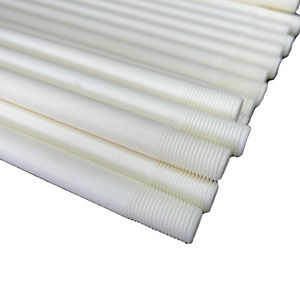
Overview of HBN/Hexagonal Boron Nitride Ceramic Tube/Rod
HBN/Hexagonal Boron Nitride Ceramic Tube/Rod is precision-manufactured from 99% aluminum oxide (Al₂O₃), delivering exceptional thermal stability and mechanical properties. These rods maintain structural integrity in extreme environments up to 1800°C, making them perfect for demanding industrial and research applications.
With outstanding resistance to wear, corrosion and thermal shock, alumina rods are widely used in high-temperature fixtures, sensor components, semiconductor equipment, and laboratory apparatus.
Key Features of HBN/Hexagonal Boron Nitride Ceramic Tube/Rod
Extreme Temperature Resistance – Continuous operation up to 1800°C
Superior Mechanical Strength – High hardness and wear resistance
Excellent Thermal Shock Resistance – Withstands rapid temperature changes
Electrical Insulation – High dielectric strength for electronic applications
Chemical Inertness – Resists acids, alkalis and corrosive environments
Precision Dimensions – Tight tolerances for critical applications

(HBN/Hexagonal Boron Nitride Ceramic Tube/Rod)
Specification of HBN/Hexagonal Boron Nitride Ceramic Tube/Rod
HBN ceramic tubes and rods use special residential properties. Hexagonal boron nitride is the material. It is frequently called white graphite. This material deals with extremely high temperatures well. It functions above 2000 ° C in inert gas. It works around 900 ° C in air. Thermal shock resistance is superb. You can heat or cool HBN components quick. They rarely crack. This is very important for quick temperature modifications. HBN is a solid electric insulator. It works at heats. A lot of steels fail here. HBN has low thermal conductivity along certain aircrafts. Warm moves in different ways in different directions. Machining HBN is feasible. It is softer than lots of porcelains. Use carbide devices. Diamond tools work better for great surfaces. HBN is chemically extremely secure. It withstands most liquified metals. It stands up to lots of acids and liquified salts. This stability stops contamination. Pureness degrees are high. Common purity mores than 99%. This is important for delicate processes. HBN components release conveniently from mold and mildews. They resist adhering to various other products. Lubrication is typically unnecessary. Applications include high temperature heaters. Semiconductor processing uses HBN crucibles and watercrafts. Metal spreading makes use of HBN components. Thermocouple defense tubes prevail. Insulating components in electronic devices take advantage of HBN.

(HBN/Hexagonal Boron Nitride Ceramic Tube/Rod)
Applications of HBN/Hexagonal Boron Nitride Ceramic Tube/Rod
Hexagonal boron nitride ceramic tubes and rods supply distinct benefits. HBN is in some cases called white graphite. It shares a layered framework similar to graphite. This framework gives HBN special residential or commercial properties. It deals with warmth effectively. HBN components stay stable at severe temperature levels. They stand up to thermal shock too. Unexpected temperature level adjustments seldom fracture them. This makes HBN ideal for high-heat environments.
HBN is a superb electric insulator. It maintains power out also when hot. Numerous metals melt at these temperatures. HBN stays strong. This insulation is crucial in lots of electric heating systems. HBN tubes frequently house burner. They shield the aspects and contain the warmth. They likewise protect against electrical shorts.
Chemical resistance is an additional vital benefit. HBN holds up against strike from numerous molten metals and salts. It likewise withstands solid acids and bases. This inertness is important in chemical handling and steel casting. HBN parts won’t contaminate delicate thaws. They last longer in corrosive setups.
HBN has a low friction coefficient. Points glide against it quickly. This lubricity assists in applications like thermocouple protection tubes. Televisions slide efficiently into place. It likewise aids parts release quickly from molds in spreading. Machining other ceramics is easier making use of HBN fixtures also.
The material handles warm in different ways in different directions. This anisotropic thermal conductivity works. Designers layout parts to relocate heat away from critical locations. Or they maintain heat had where needed. HBN rods function well as warmth spreaders or thermal breaks.
You find HBN tubes and poles in semiconductor manufacturing. They manage heats and responsive gases. Furnace building depends on them for insulation and architectural components. They prevail in crystal development devices. Plasma torches use them for electric seclusion. Aerospace applications need their thermal stability. They protect sensing units in jet engines. Anywhere severe heat, electric insulation, or chemical resistance is required, HBN porcelains provide reliable efficiency.

Company Profile
Alumina Technology Co., Ltd,. We focus on the research and development, production and sales of alumina products, serving the electronics, ceramics, chemical and other industries. Since its establishment in 2005, the company has been committed to providing customers with the best products and services, and has become a leader in the industry through continuous technological innovation and strict quality management.
Our products includes but not limited to Alumina Boat, Alumina Crucible, Alumina Dish, Alumina Foam Filter, Alumina Plate, Alumina Rod, Alumina Bar, Alumina Balls, Filter Alumina, Nano Alumina Powder, Spherical Alumina Powder, ect. please feel free to contact us.([email protected])

Payment Methods
T/T, Western Union, Paypal, Credit Card etc.
Shipment Methods
By air, by sea, by express, as customers request.
5 FAQs of HBN/Hexagonal Boron Nitride Ceramic Tube/Rod
What is HBN ceramic?
HBN ceramic means Hexagonal Boron Nitride. It’s a special material. It looks white and feels slippery. Think of it like graphite. But HBN works much better at high temperatures. It doesn’t melt easily. It handles heat very well. Many people call it “white graphite”.
How hot can HBN tubes get?
HBN tubes handle extreme heat. They work fine in air up to 900°C. They work even hotter in special atmospheres without oxygen. They can go above 2000°C. This makes them great for very hot furnaces. They won’t crack or break down like other ceramics often do.
Does HBN react with chemicals?
HBN resists most chemicals very well. Acids and bases don’t damage it easily. Molten metals usually don’t stick to it. It won’t dissolve in water. This chemical stability is important. It means HBN tubes last longer in tough lab or factory conditions.
Can electricity pass through HBN?
No, HBN stops electricity well. It’s a strong electrical insulator. This is useful where heat and electricity are both present. You need parts that don’t conduct electricity but still handle the heat. HBN tubes do this job reliably.
Where are HBN tubes used?
People use these tubes in many high-tech places. They make crucibles for melting metal. They are parts in semiconductor furnaces. They act as thermocouple protection tubes. They are liners inside other tubes. Any place needing high heat, chemical resistance, and electrical insulation uses HBN.

(HBN/Hexagonal Boron Nitride Ceramic Tube/Rod)
REQUEST A QUOTE
RELATED PRODUCTS
220V High Alumina Ceramic Heater Rod for 936 Electric Soldering Station
220v 380v Furnace Radiant Ceramic Heating Rod Elements Heating Tube
Porous 60% 70% 76% 80% Al2o3 Alumina Refractory Ceramic Roller with Open Both Ends

Custom Alumina Ceramic Screws high pure Alumina Ceramic 99% al2o3 OEM

1mm 2mm 3mm 4mm 5mm 95% 99% Al2O3 Alumina Ceramic Rods