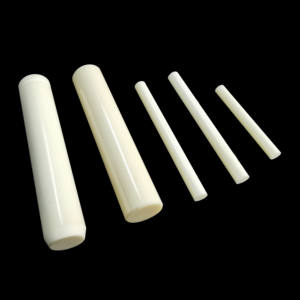
Professional Premium Aluminum Oxide Products Supplier


PRODUCT PARAMETERS
Description
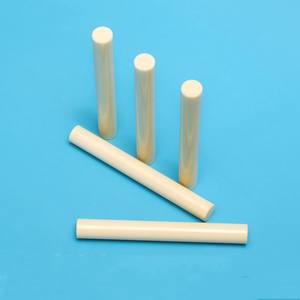
Overview of Resistance Ceramic Roughness 96 % Alumina Ceramic Rod
Resistance Ceramic Roughness 96 % Alumina Ceramic Rod is precision-manufactured from 99% aluminum oxide (Al₂O₃), delivering exceptional thermal stability and mechanical properties. These rods maintain structural integrity in extreme environments up to 1800°C, making them perfect for demanding industrial and research applications.
With outstanding resistance to wear, corrosion and thermal shock, alumina rods are widely used in high-temperature fixtures, sensor components, semiconductor equipment, and laboratory apparatus.
Key Features of Resistance Ceramic Roughness 96 % Alumina Ceramic Rod
Extreme Temperature Resistance – Continuous operation up to 1800°C
Superior Mechanical Strength – High hardness and wear resistance
Excellent Thermal Shock Resistance – Withstands rapid temperature changes
Electrical Insulation – High dielectric strength for electronic applications
Chemical Inertness – Resists acids, alkalis and corrosive environments
Precision Dimensions – Tight tolerances for critical applications

(Resistance Ceramic Roughness 96 % Alumina Ceramic Rod)
Specification of Resistance Ceramic Roughness 96 % Alumina Ceramic Rod
This alumina ceramic rod contains 96% alumina. It offers high performance. The material is very hard. It resists wear extremely well. This rod handles demanding environments reliably. Its surface features controlled ceramic roughness. This texture provides specific functional benefits. It improves grip in certain applications. It aids bonding with other materials. enhances thermal transfer efficiency in some setups.
The alumina content ensures excellent electrical insulation. This rod works well in high-voltage situations. It prevents current leakage effectively. Thermal stability is another key strength. The rod withstands temperatures over 1500°C easily. It handles sudden temperature changes without cracking. This makes it suitable for furnace parts. kiln furniture often uses this material. heating element supports benefit from it.
Chemical resistance is very strong. The rod endures acids. alkalis have minimal effect. corrosive gases don’t damage it easily. This allows use in harsh chemical processing. laboratory equipment frequently incorporates it. Its mechanical strength is significant. The rod supports heavy loads without bending. it resists impact damage well. Density is high, around 3.7 g/cm³. This contributes to its durability. overall structural integrity is excellent.
Surface roughness is precisely controlled during manufacturing. This ensures consistent performance batch after batch. Dimensional stability is reliable under stress. The rod maintains its shape accurately. Applications include electrical insulators. thermocouple protection tubes are common. wear-resistant guides and bushings use it. high-temperature sensors rely on it. industrial machinery components incorporate this rod. It provides a dependable solution for tough conditions.

(Resistance Ceramic Roughness 96 % Alumina Ceramic Rod)
Applications of Resistance Ceramic Roughness 96 % Alumina Ceramic Rod
Resistance ceramic roughness 96% alumina ceramic rods are incredibly useful. They are very hard and resist wear extremely well. This makes them perfect for tough industrial jobs. You often see them as wear parts inside pumps and valves. They handle abrasive slurries without wearing down much. They last much longer than metal parts in these situations. This saves money on replacements and stops machines.
These rods are also excellent electrical insulators. They keep electricity contained safely. You find them inside high-voltage equipment. They hold electrical components firmly in place. They prevent dangerous sparks or short circuits. Their stability under high voltages is reliable.
Chemical resistance is another big plus. Alumina ceramic doesn’t react with most acids and bases. It stays strong in corrosive environments. Labs use these rods for stirring hot, aggressive chemicals. Factories use them where harsh cleaning happens. They don’t rust or corrode like metals do.
High-temperature performance matters too. These rods keep their shape and strength even when very hot. They work well inside furnaces and kilns. They are good thermal insulators. They help manage heat in electronic devices. They protect sensitive parts from overheating.
Smooth surfaces are possible with alumina ceramic. This is important for moving parts. Low friction means less wear and smoother operation. You put them in bearings and seals. They reduce friction efficiently. They need less lubrication than other materials.
Their dimensional stability is impressive. They don’t shrink or swell much with temperature changes. This precision is vital for accurate machinery. They are stable in measurement tools and fixtures. They provide consistent results over time.
The natural roughness helps sometimes. It gives coatings a better surface to stick to. It improves adhesion for protective layers. This makes the rods even more durable in the long run.

Company Profile
Alumina Technology Co., Ltd,. We focus on the research and development, production and sales of alumina products, serving the electronics, ceramics, chemical and other industries. Since its establishment in 2005, the company has been committed to providing customers with the best products and services, and has become a leader in the industry through continuous technological innovation and strict quality management.
Our products includes but not limited to Alumina Boat, Alumina Crucible, Alumina Dish, Alumina Foam Filter, Alumina Plate, Alumina Rod, Alumina Bar, Alumina Balls, Filter Alumina, Nano Alumina Powder, Spherical Alumina Powder, ect. please feel free to contact us.(nanotrun@yahoo.com)

Payment Methods
T/T, Western Union, Paypal, Credit Card etc.
Shipment Methods
By air, by sea, by express, as customers request.
5 FAQs of Resistance Ceramic Roughness 96 % Alumina Ceramic Rod
What is this ceramic rod made of?
It’s mostly alumina. Specifically, 96% aluminum oxide. This high purity makes it very tough and resistant to damage. The rest includes other ceramics helping bind it together during manufacturing.
Why is “96%” important?
Higher alumina content directly improves performance. It means better hardness. It means better wear resistance. It means better resistance to chemicals and high heat. Ninety-six percent is a strong balance between top performance and practical manufacturing cost.
What does “resistance” mean here?
“Resistance” refers to how well the rod withstands damage. It resists wearing down from friction (wear resistance). It resists breaking under pressure (mechanical strength). It resists breaking from sudden temperature changes (thermal shock resistance). It resists attack from many chemicals (chemical resistance).
What does “roughness” mean?
“Roughness” describes the rod’s surface texture. A smoother surface has low roughness. A rougher surface has higher roughness. This rod can be made to different roughness levels depending on grinding and polishing. Smoother surfaces reduce friction. Rougher surfaces might help with gripping or bonding.
Is it expensive?
It costs more than regular steel rods or lower-grade ceramics. The high purity alumina material and the precise manufacturing process add cost. The price reflects its long life and superior performance in demanding conditions. It saves money over time by lasting much longer and needing less replacement.

(Resistance Ceramic Roughness 96 % Alumina Ceramic Rod)
REQUEST A QUOTE
RELATED PRODUCTS
95% 96% 99% 99.7% Al2O3 bar Alumina Ceramic Wearable Rod for Sharpener
95 Al2o3 Infrared Insulator Alumina Ceramic Bush Pipe Tube
Whole Industrial Ceramics Alumina Ceramic Rod Processing Ceramic Tube
95 Wear Resistant 0.5mm Alumina Ceramic Rod Ceramic Bar Ali

Ceramic Igniter Rod Heater Element for 12V Car Warming Gas Heat