Professional Premium Aluminum Oxide Products Supplier

PRODUCT PARAMETERS
Description
Overview of 30 Micron Alumina/Silicon/SiC Porous Ceramic Disc Plate/Foam Filters
30 Micron Alumina/Silicon/SiC Porous Ceramic Disc Plate/Foam Filters is advanced porous structures made from high-purity aluminum oxide (Al₂O₃). Designed for extreme temperature (up to 1600°C) and chemical resistance, they provide efficient filtration of molten metals, gases, and aggressive fluids in industries like metallurgy, chemical processing, and environmental engineering.
Key Features of 30 Micron Alumina/Silicon/SiC Porous Ceramic Disc Plate/Foam Filters
High-Temperature Stability – Withstands up to 1600°C without structural degradation
Controlled Porosity – Precise pore sizes (10-1000µm) for tailored filtration efficiency
Exceptional Chemical Resistance – Resists acids, alkalis and corrosive media
High Mechanical Strength – Maintains integrity under pressure and thermal cycling
Customizable Shapes & Sizes – Available in discs, tubes, and complex geometries

(30 Micron Alumina/Silicon/SiC Porous Ceramic Disc Plate/Foam Filters)
Specifications of 30 Micron Alumina/Silicon/SiC Porous Ceramic Disc Plate/Foam Filters
These porous ceramic filters tidy steel before casting. They eliminate impurities like oxides and slag. The 30 micron ranking is key. It suggests the little pores trap bits as little as 30 millionths of a meter. This great purification results in smoother, more powerful cast parts.
Alumina, silicon carbide, and silicon develop the filter product. This combination is really tough. It deals with liquified light weight aluminum, copper, brass, and similar alloys well. Extreme warmth is not a problem. These filters hold up against temperatures much over common pouring points. Abrupt temperature level adjustments won’t crack them quickly.
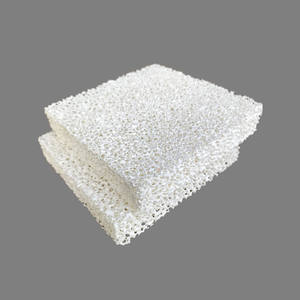
You get these filters as discs, plates, or foams. The shape fits conventional filter boxes in factories. Setup is simple. Workers place them straight in the steel stream. Molten steel flows with the millions of little interconnected pores. Dangerous fragments obtain trapped inside the ceramic structure.
The filters supply high strength. They resist erosion from fast-flowing steel. They likewise stand up to chemical assault from the thaw. This sturdiness means consistent efficiency. Flow prices continue to be stable during casting. You stay clear of turbulence or steel splashing. Cleaner steel gets in the mold.
Using these filters enhances end product top quality dramatically. Spreadings have fewer issues like holes or incorporations. Surface coating looks better. Mechanical buildings boost. Much less scrap steel implies reduced prices. Mold life frequently enhances also. Production runs smoother.

(30 Micron Alumina/Silicon/SiC Porous Ceramic Disc Plate/Foam Filters)
Applications of 30 Micron Alumina/Silicon/SiC Porous Ceramic Disc Plate/Foam Filters
These 30 micron alumina, silicon carbide, and SiC porous ceramic filters are crucial tools. They clean up liquified steel. Factories and metal casting stores count on them heavily. Molten metal usually brings tiny bits of junk. This junk hurts the final product. Pollutants create holes, vulnerable points, and surface area imperfections. You require a solid barrier to quit these little bits. That’s where these ceramic filters work.
The 30 micron rating is crucial. It indicates the little holes in the ceramic are 30 micrometers across. This size successfully traps extremely little pollutants. These contaminations would or else mess up the spreading. Alumina, silicon carbide, or SiC are the materials. These materials are perfect for the task. They manage extreme heat quickly. Molten aluminum or iron is unbelievably hot. The filter will not melt or damage down. It remains strong.
The porous framework is the key. It resembles a sponge or a fine mesh. The molten metal flows right through. However the strong scrap gets captured. This happens inside the filter’s network of tiny channels. Just clean steel survives. This leads to far better castings. You get fewer issues. You see less scrap metal. You save cash. Product quality enhances considerably.
These filters come as flat discs or plates. Foam block shapes are likewise typical. You place them right in the steel circulation path. Common areas are inside the mold or in the jogger system. The metal should pass through the filter. This guarantees optimum cleansing. Utilizing them is uncomplicated. They integrate efficiently right into existing spreading arrangements. The advantages are clear immediately. Cleanser metal suggests more powerful, a lot more trustworthy components. It’s crucial for demanding applications like automotive parts or aerospace parts. Regular top quality matters.

Company Profile
Alumina Technology Co., Ltd,. We focus on the research and development, production and sales of alumina products, serving the electronics, ceramics, chemical and other industries. Since its establishment in 2005, the company has been committed to providing customers with the best products and services, and has become a leader in the industry through continuous technological innovation and strict quality management.
Our products includes but not limited to Alumina Boat, Alumina Crucible, Alumina Dish, Alumina Foam Filter, Alumina Plate, Alumina Rod, Alumina Bar, Alumina Balls, Filter Alumina, Nano Alumina Powder, Spherical Alumina Powder, ect. please feel free to contact us.(nanotrun@yahoo.com)

Payment Methods
T/T, Western Union, Paypal, Credit Card etc.
Shipment Methods
By air, by sea, by express, as customers request.
5 FAQs of 30 Micron Alumina/Silicon/SiC Porous Ceramic Disc Plate/Foam Filters
What exactly are these filters?
They are flat discs or foam blocks made from special ceramic materials. Alumina, silicon carbide, or silicon are mixed together. They form a rigid structure full of tiny, connected holes. The key point is the hole size averages 30 microns. This is very small. It catches very fine particles.
How do they clean metal?
You place the filter in the path of molten metal flow, like aluminum or iron. The metal pours through the filter. The small holes act like a sieve. Solid impurities get trapped inside the porous structure. Cleaner metal flows out the other side. It stops slag, oxides, and other unwanted bits.
Why use ceramic over other filter types?
Ceramic offers big advantages. It withstands extreme heat without melting. It resists chemical attack from aggressive molten metals. Its rigid structure stays strong under pressure. It doesn’t collapse or shed fibers like some alternatives. You get reliable, consistent filtration.
Where are these filters typically used?
Foundries use them for critical casting jobs. They are essential for producing high-quality aluminum parts. Think automotive wheels, engine blocks, aerospace components. They are also vital for iron castings needing a smooth finish. Any application demanding clean, defect-free metal benefits.
How long does one filter last?
A single filter handles one metal pour. It’s a consumable item. The filter gets saturated with trapped solids during the pour. After the metal cools, the used filter is discarded. You need a new filter for each casting cycle. The focus is on performance per use, not reusability.

(30 Micron Alumina/Silicon/SiC Porous Ceramic Disc Plate/Foam Filters)
REQUEST A QUOTE
RELATED PRODUCTS

Factory Supply 5-8mm Active Aluminum Oxide Balls Adsorbent Activated Alumina Water Filter Surfactant Water Treatment CAS

Industrial Calcined Diatomaceous Earth- Supplied Filter Aid Alumina Adsorption Oxide Particles for Wastewater
High Quality Cigarette Filtration Glazed Alumina Ceramic Filter Tips
Aquarium High Surface Area Ceramic Bio Block Koi Fish Pond Filter Media Alumina Honeycomb Foam Filter Media

Carborundum, Alumina, Zirconia, Magnesia Ceramic Foam Filter (Material: Al2O3/ SiC/ZrO2/MgO)
