Professional Premium Aluminum Oxide Products Supplier

PRODUCT PARAMETERS
Description
Overview of Industrial Microporous Silicon Carbide and Alumina Ceramic Filter
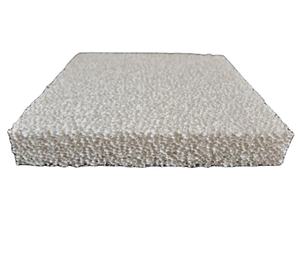
Industrial Microporous Silicon Carbide and Alumina Ceramic Filter is advanced porous structures made from high-purity aluminum oxide (Al₂O₃). Designed for extreme temperature (up to 1600°C) and chemical resistance, they provide efficient filtration of molten metals, gases, and aggressive fluids in industries like metallurgy, chemical processing, and environmental engineering.
Key Features of Industrial Microporous Silicon Carbide and Alumina Ceramic Filter
High-Temperature Stability – Withstands up to 1600°C without structural degradation
Controlled Porosity – Precise pore sizes (10-1000µm) for tailored filtration efficiency
Exceptional Chemical Resistance – Resists acids, alkalis and corrosive media
High Mechanical Strength – Maintains integrity under pressure and thermal cycling
Customizable Shapes & Sizes – Available in discs, tubes, and complex geometries

(Industrial Microporous Silicon Carbide and Alumina Ceramic Filter)
Specifications of Industrial Microporous Silicon Carbide and Alumina Ceramic Filter
Industrial microporous silicon carbide ceramic filters manage tough jobs. They work well in warm, harsh setups. Their pore dimensions vary from 0.5 microns to 100 microns. You choose the size based on what you require to filter. This material deals with temperature levels approximately 1600 ° C easily. It resists acids and alkalis extremely well. Thermal shock is no worry either. Heat it up, cool it down quickly; it remains strong. This makes it perfect for molten steel filtration. It cleans up warm gases as well. The framework is stiff and lasts long under tension. Believe steelmaking, foundries, or extreme chemical procedures. This ceramic is a real workhorse.
Alumina ceramic filters offer another strong alternative. They are known for high pureness and stability. Their pore sizes are typically better, commonly from 0.2 microns approximately concerning 50 microns. This gives excellent control for dividing little bits. Alumina deals with high heat well, commonly as much as 1700 ° C. It withstands oxidation effectively. Its chemical resistance is wide, withstanding many acids and solvents. But avoid solid antacid or hydrofluoric acid. Its mechanical toughness is very high. Alumina excels in precision jobs. Utilize it for great chemical processing, progressed porcelains production, or demanding stimulant supports. It offers trusted, fine purification.
Both products are porous porcelains. Yet they have different staminas. Silicon carbide is tougher versus thermal shock and corrosion. It’s frequently the go-to for extreme warmth and chemical strike. Alumina provides better pores and far better resistance to oxidation. It might be much better for really great filtration requirements. Your particular application chooses the most effective option. Take into consideration the temperature level, chemicals, particle dimension, and stress included. Think about what you require to remove. Examine the called for circulation price. These aspects lead the option. A table comparing crucial specs like max temperature, pore array, chemical resistance, and stamina helps.

(Industrial Microporous Silicon Carbide and Alumina Ceramic Filter)
Applications of Industrial Microporous Silicon Carbide and Alumina Ceramic Filter
Industrial microporous silicon carbide and alumina ceramic filters are vital for tough jobs. They take care of extreme warm well. They resist chemicals efficiently. Their little openings trap undesirable fragments really specifically.
Silicon carbide filters are exceptionally tough. They manage super heats conveniently. This makes them ideal for cleaning up liquified metals. Factories utilize them to filter aluminum and iron. They get rid of hazardous oxides and various other contaminations. Cleaner metal implies stronger end products. Less waste takes place too. They likewise work in hot gas purification systems. Power plants and incinerators use them. They capture fine ash and dirt from exhaust gases. This shields devices and fulfills ecological guidelines.
Alumina ceramic filters use wonderful chemical stability. They are extremely solid mechanically. This stamina is important for high-pressure filtering. Their smooth surface stops bits from sticking. This keeps the circulation rate stable. They are widely utilized in the chemical sector. They filter aggressive acids and solvents. They make certain item pureness. The food and pharmaceutical markets rely upon them as well. They sterilize fluids and remove microbes safely. Water therapy plants make use of alumina filters. They remove little impurities for tidy alcohol consumption water. They additionally treat difficult commercial wastewater streams. Both filter kinds last long and require little upkeep. This saves cash gradually.

Company Profile
Alumina Technology Co., Ltd,. We focus on the research and development, production and sales of alumina products, serving the electronics, ceramics, chemical and other industries. Since its establishment in 2005, the company has been committed to providing customers with the best products and services, and has become a leader in the industry through continuous technological innovation and strict quality management.
Our products includes but not limited to Alumina Boat, Alumina Crucible, Alumina Dish, Alumina Foam Filter, Alumina Plate, Alumina Rod, Alumina Bar, Alumina Balls, Filter Alumina, Nano Alumina Powder, Spherical Alumina Powder, ect. please feel free to contact us.(nanotrun@yahoo.com)

Payment Methods
T/T, Western Union, Paypal, Credit Card etc.
Shipment Methods
By air, by sea, by express, as customers request.
5 FAQs of Industrial Microporous Silicon Carbide and Alumina Ceramic Filter
Industrial microporous silicon carbide and alumina ceramic filters handle tough jobs. They filter molten metals and hot gases where other materials fail. People ask common questions about them.
What are they mainly used for? They remove impurities from molten aluminum, iron, copper, and similar metals before casting. They also clean hot exhaust gases in power plants and factories. Their strength at high heat makes them essential.
Why do they last so long? Silicon carbide and alumina resist extreme heat very well. They don’t react with most chemicals. They handle sudden temperature changes without cracking. This toughness means they need replacing less often. This saves money over time.
Can I get a filter made for my specific needs? Yes. Manufacturers offer different pore sizes. This controls what size particles get trapped. You can also choose shapes and thicknesses to fit your equipment. Talk to your supplier about your exact process requirements.
Is installing them difficult? Not really. They fit into existing filtration systems designed for ceramics. Follow the manufacturer’s instructions carefully. Proper setup prevents problems. Seal them correctly to avoid leaks. Get it right the first time.
How do I keep them working well? Clean them regularly. Follow the cleaning method recommended for your filter type and the material you are filtering. Avoid using harsh chemicals unless approved. Check filters often for damage like cracks. Replace damaged filters immediately. Good care extends their life.

(Industrial Microporous Silicon Carbide and Alumina Ceramic Filter)
REQUEST A QUOTE
RELATED PRODUCTS
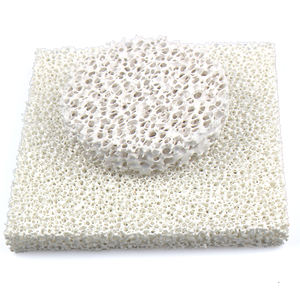
Al2O3 Alumina Ceramic Foam Filter CFF with Network Structure Used in Aluminum Casting Industry
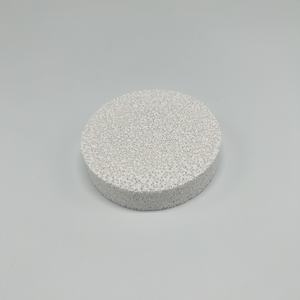
Al2O3, Sic, ZrO2, MgO Foam Ceramic Filter (material: Silicon Carbide, Alumina, Zirconia, Magnesia)
1-100 Micron White Alumina Porous Ceramic Filter Disc for Fish Farm Oxysen Diffuser

Hot Desiccant Activated Alumina for Liquid and Gas Drying Gamma Aluminum Oxide for Defluoridation Filter Water
Porous Alumina Extruded Industrial Honeycomb Ceramic Strainer Filter Made in China for Iron Casting Foundry